
Uniform Sizing and Employee Onboarding Without Losing Garments
Bottom line: Assign uniforms by exact measurements, log every issue with a barcode or tag, and reconcile inventory weekly to prevent garments walking off.
I remember that Tuesday in Omaha because it proved the point. Those forty-two shirts weren't lost, they just fit nobody on the crew. I've watched hotel housekeepers toss new hires into a stack of 'free size' aprons, then spend a month trying to figure out who took which one. The problem isn't the uniform. It's that nobody attaches a name to a chest measurement. On my route, I'd see the same guy wearing a 44 and a 38 in the same week because the bins were mixed. If you don't measure with a tape and write it down, you're betting the weekly rental fee on guesswork. Industrial Laundry Service
I remember a Tuesday in Omaha, 2011. A new account sent back forty-two shirts in the wrong totes, and nobody on the floor knew what a 40-inch chest meant. They weren't lost. They just never fit.
Now I'm an independent broker, but back then I was a route rep for Cintas. I ran that same route every week, and I saw every mistake a company can make with uniforms. Sizing is one of them. But the bigger one is onboarding. You hire fast, hand over a "medium" and pray. Then the uniform disappears.
This is a how-to. It's about getting measurements right, issuing garments like a system, and keeping track of what walks out your door.
Measure the person, not the average
Use a real tape measure. The kind with inches on one side and centimeters on the other. Have the employee stand with their work boots on and measure over the thickest shirt or hoodie they'll wear. That means chest, waist, inseam, sleeve length. For FR coveralls, add thigh and neck. Call it the full set.
Here's the thing about work shirts: they're cut for movement, not for a suit. I've seen a guy who wears a 44 regular sport coat need a 48 tall in a Dickies work shirt. A 40-inch chest measurement doesn't mean they need a 40. Depends on the plant. Some cuts run small, some run large. That's why you have a sizing chart from your rental company or the maker.
If you're renting, the plant's web portal has a sizing guide. Use it. Don't guess. A customer of mine in Boise lost four shirts in one month because HR just ordered by shirt size on a previous hire's personnel file. That file was eight years old. The employee had gained eight years. Measure them fresh.
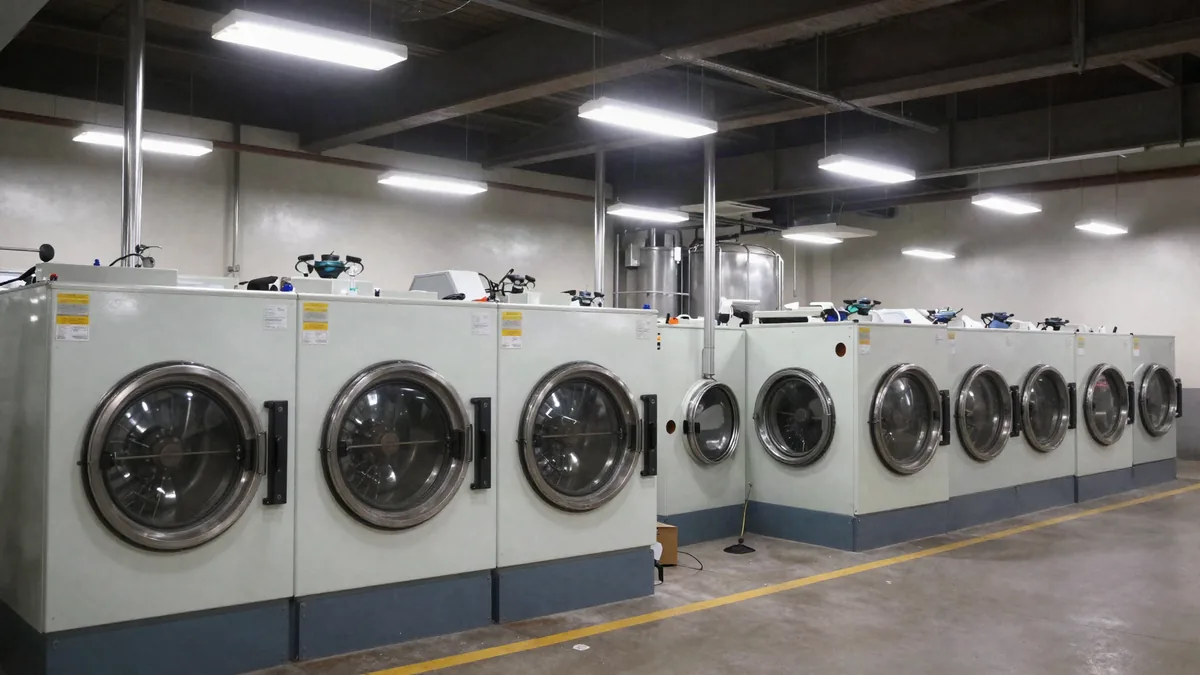
Onboarding: from hire to issued
Make sizing part of the new hire paperwork. When they fill out the W-4, they get measured. It doesn't take five minutes. Have a sample set of garments in the HR office: one small, one medium, one large, one XL, and a couple 2XLs. Let them try one on the day they sign the offer letter. If it doesn't fit, exchange it within the first week, not the first month.
Then issue the stuff in a bundle. Shirts on hangers, pants folded, safety vest on top. Put an inventory sheet in the bag—every employee signs it. That sheet lists each item and its asset tag number. It's not bureaucracy. It's a contract.
Onboarding should also cover basic care. If it's a rental uniform, tell them not to take it home at all. It stays at the plant. That alone cuts loss by half. If it's a purchase program, tell them the wash schedule and the repair rules. But here's the thing—if you're buying FR coveralls, home laundering isn't acceptable. That's a whole other conversation.
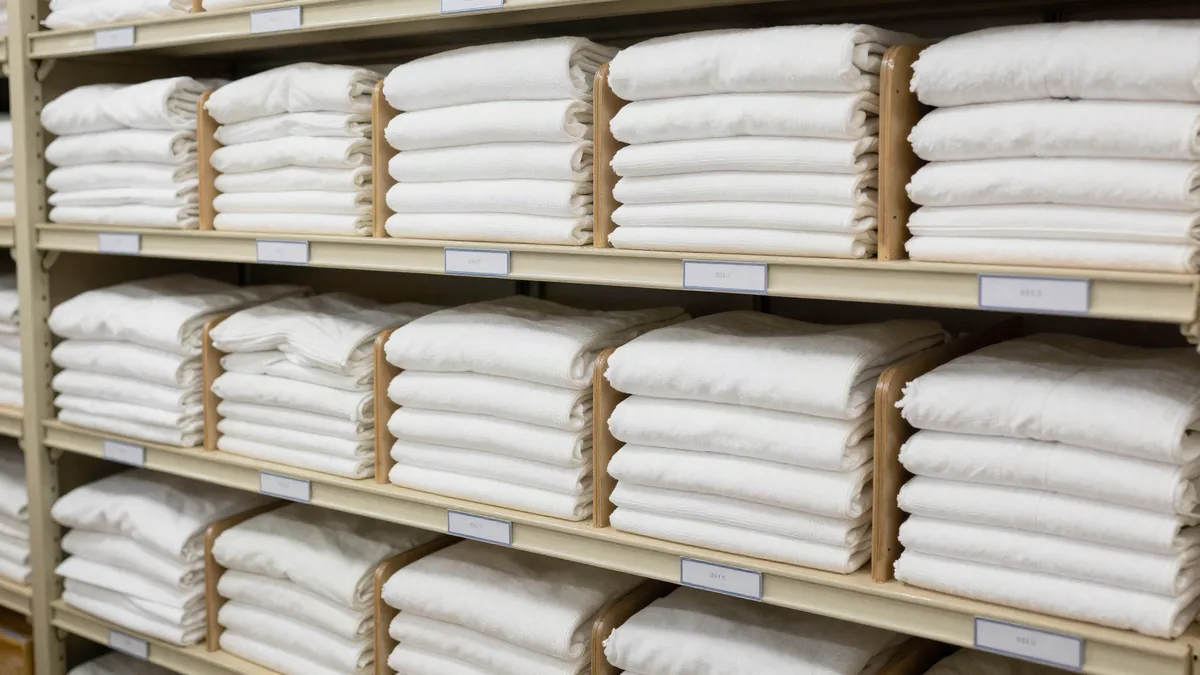
Don't let garments walk out the same door
Uniforms have a way of following employees out to the parking lot. Not always on purpose. A guy wears a shirt to a union meeting. A woman rolls her sleeves up and carries them home. The next day, it's gone. That's why you need a system.
Put an inventory tag on every garment. A lot of rental plants use a barcode or RFID. A scanner or an app can do the count at shift change. But you can do it with a clipboard and a paper roster. The key is that someone checks the garments back in at the end of the shift. That someone might be the same person who handed them out.
The pricing model for a rental program is usually per employee per week, and the range I see is $4 to $15. That's for a standard uniform, depending on industry, number of pieces, and whether it's FR or cleanroom. When you lose a shirt, you don't get a discount. The cost just bakes into the next contract. So preventing loss keeps your rate honest.
Replacement rules and Saturday inventories
Set a replacement policy before you need it. My rule of thumb: first lost item gets a warning. Second one, the employee pays half the replacement cost. Third one, they pay the full cost. That sounds harsh, but I've seen a plant with a 25% annual loss rate. That's money walking out.
If you're a healthcare operation, you'll have to comply with OSHA 1910.1030 for bloodborne pathogens. That means proper laundering and handling. If you're in that space, look for a vendor with TRSA Hygienically Clean certification or HLAC accreditation. It's not about being nice. It's about process.
And do an inventory reading once a quarter. Call it an audit. Pick a Saturday, show up unannounced, and count the racks. I bet you'll find twenty extra shirts you didn't know you had. I did that with a customer and we found twenty-two identical navy coveralls in a locker nobody used. They'd been there for a year. That's not a loss. That's just untracked inventory.
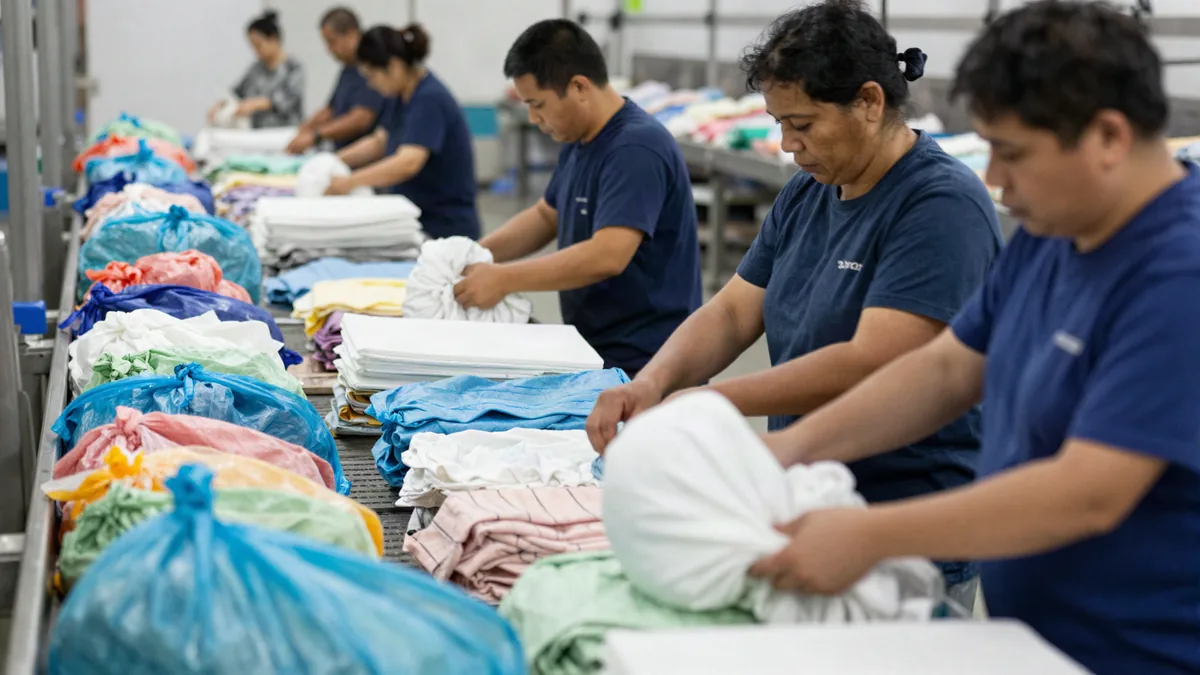
Uniform Issue and Tracking Methods Compared
| Method | Upfront Cost | Time to Issue | Loss Risk |
|---|---|---|---|
| Paper logbook | $0 | 3 minutes per employee | High because it depends on handwriting |
| Shared spreadsheet | $0 | 2 minutes per employee | Medium if not updated daily |
| Barcode scanner system | $500 to $700 | 15 seconds per employee | Low on scan errors |
| RFID pass-through | $3,000 to $4,000 | 1 second per employee | Very low with automated read |
Frequently Asked Questions
How often should employees be re-sized?
At least once a year, or whenever they switch job duties. Uniform sizing isn't static. A seasonal job can change body shape. Measure them every year during contract renewal.
Can I home-launder FR coveralls and keep the rating?
No. Home laundering can't maintain the manufacturer's certification. Industrial laundering per NFPA 2112 or NFPA 70E requirements is essential. That's why rental programs exist for FR.
What's the true cost range for uniform service?
For rental plans, figure $4 to $15 per employee per week. Depends on pieces, fabric, and the plant's geography. Purchase programs run per garment cost, but you own them and replace them yourself.
Do we need to tag every garment?
Yes. Whether it's an asset tag, barcode, or RFID, tag them. Otherwise you have no way to audit. A tag is your proof of what you issued.