
Barbershop, Tattoo Studio and Med-Spa Towel Service
Bottom line: You can charge $1.50 to $2.00 per pound for barber towels, but med-spa and tattoo linens require separate processing and a biohazard surcharge.
That first bag of black towels sat in my truck for two hours because I didn't want to touch it. When I finally opened it, the smell of perm chemicals hit me and I found three folded razors buried in the pile. That was the day I added a pre-sort fee and started charging extra for items with hair or wax. Steve pays me $1.60 a pound now, but I've had to adjust my washer cycle for the barber towels, use a separate rinse for tattoo ink, and I bought a second dryer just for med-spa sheets. The route nets about $900 a month, but I turn away accounts that don't meet my minimum of 25 pounds. Commercial laundry in Texas
It's 6:14 a.m. On a Tuesday, and I'm fumbling for a key to a barbershop on Main Street. The barber left a garbage bag full of black towels behind the door—I've been doing this route for nine months, and it still feels weird hauling other people's dirty laundry in the dark.
I own a 4,000 sq ft laundromat. For years, we only did drop-off service for households. Then a barber named Steve asked if I'd wash his shop's towels. I said yes, and that one yes turned into a commercial wash-and-fold route that now serves three barbershops, a tattoo studio, and a med-spa. This post is about what it takes to run towel service for businesses like these—what works, what doesn't, and what nobody warns you about.
The three faces of towel service
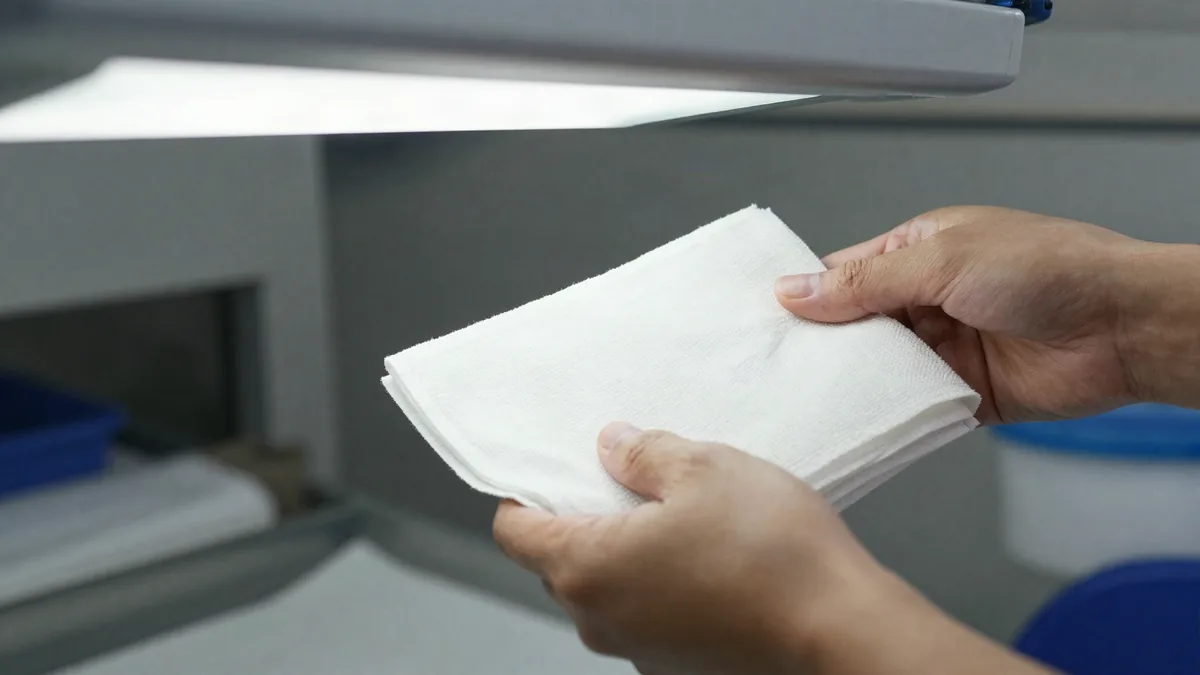
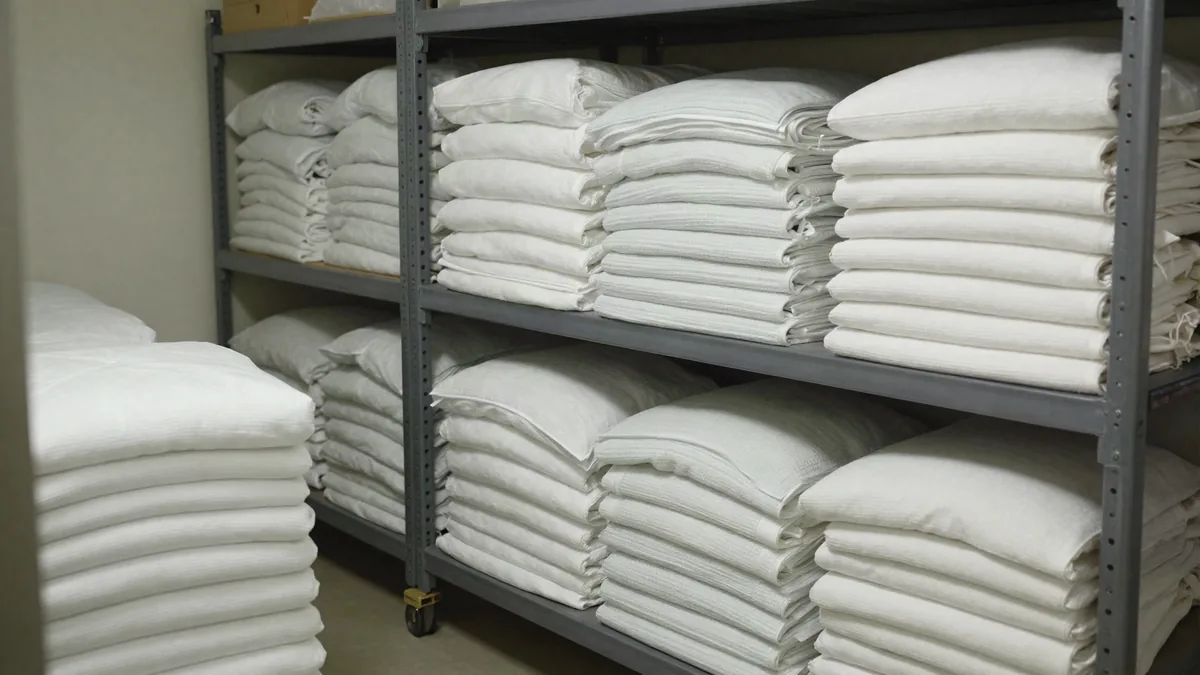
Barbershops, tattoo studios, and med-spas all need clean towels, but they aren't the same animal. A barbershop uses a lot of cotton barber capes and towels—black to hide hair, white for hot towels. On a busy Saturday, a two-chair shop can blow through 80 to 120 towels. A tattoo studio uses shop towels for cleaning and sterilization prep, but they also need disposable barrier towels for hygiene. Med-spas are a completely different game: they want fluffy white spa towels, some with embossed logos, and they demand a higher standard of cleanliness—think HLA-certified processes, not just a heavy duty cycle. You can't wash a tattoo shop's blood-soaked shop towels in the same load as a med-spa's gentle facial towels. So you sort everything by type, soil level, and color before anything hits the wash.
The common thread is that none of these businesses wants to think about towels. They want a reliable service that picks up on schedule, returns everything folded, and doesn't run out. That's the job.
Picking up, washing, and delivering when you're also running a laundromat
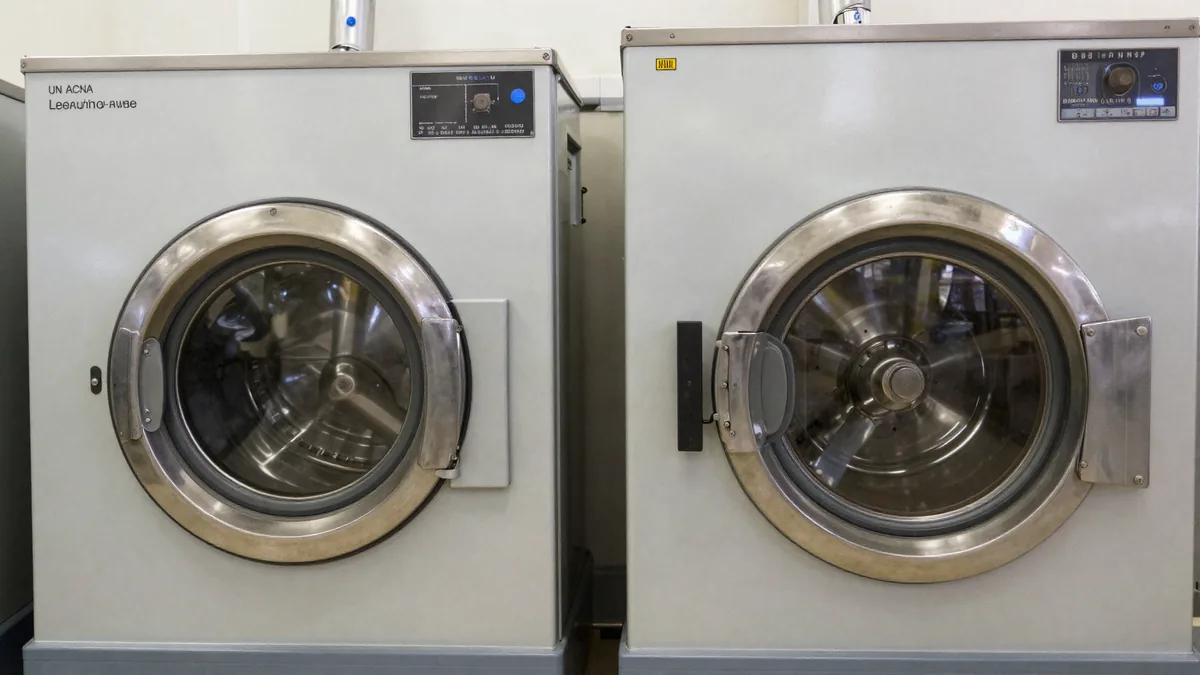
The logistics are the hard part. I use a 28-lb Huebsch washer for the small stuff, but for the bulk route, I've got a 60-lb Unimac that runs six loads a morning. The route van is a used Ford Transit—I bought it with 90,000 miles on it. Pickup is the first step: I stop by each shop at the start of my route, grab the bagged towels, weigh them on a portable scale, and leave a fresh bag. Then it's back to the store, sort, wash, dry, fold, and deliver by the next morning if possible. For barbershops, I usually charge per pound, because a heavy cape weighs more than a hand towel, and it balances out. For the med-spa, I charge per piece, because their towels are all the same and they want a set count. There's no one-size-fits-all pricing; it depends on the plant and the customer.
A digression: nobody tells you about the hair. Barber towels shed hair like a husky in July. If you don't have a good lint filter on your drain, you'll be snaking the line every month. We installed a lint trap that catches most of it, but I still find the occasional strand on a folded towel. Most customers don't care; they expect some. But a med-spa will notice a black hair on a white towel, so those go through a dryer with a static sheet. Figure out that sorting early, or you'll lose that account.
Hygiene standards: what matters even if your store is small
I'm not a healthcare linen facility, but I operate with the same discipline. For the med-spa, we follow the TRSA Hygienically Clean requirements, and we've modeled our process on HLAC accreditation standards. That means the water temp hits 160°F for the full wash cycle, we use the right chemicals—a non-chlorine bleach for whites, a sanitizer for all loads—and we document each load's parameters. OSHA 1910.1030 is a big deal for the tattoo studio: we have a bloodborne pathogen plan in place, and any load that might have bodily fluids is handled with extra care.
Now, I'm not claiming any clinical outcomes. But these standards are process standards. If you follow them, you know your towels are clean. For barbershops, it's less about certifications and more about looking clean. A barber's towel should look white and smell fresh—and it should come back folded neatly. That's the baseline.
Pricing and contracts: what to ask before you sign
I'll be honest: most business owners don't want to think about their laundry contract. They just want clean towels. But I've seen some terrible contracts in this industry. Companies like Cintas and Aramark offer uniform rental and linen services, but their contracts often lock you in for three to five years with automatic renewals and price escalators. That doesn't mean their service is bad; it just means you need to read the fine print. Ask about the pickup schedule, the minimum poundage, what happens if you cancel, and whether the price per pound is guaranteed for the length of the contract.
For a small barbershop, it's often cheaper to work with a local operator like me. We'll charge per pound, and a typical shop uses maybe 100 pounds a week. The pricing model is transparent: you pay for what you use, no surprise fees. The trade-off is that we won't have the same resources as a big company—if our washer breaks, we might be delayed. But we'll tell you the truth, not a customer service script.
If you're a laundromat owner who wants to start a towel route
You don't need a 10,000-square-foot plant to do this. You need a reliable washer, a dryer, and a vehicle. My store has 4,000 square feet with a lot of underused capacity in the back. The washer and dryer I added cost about $18,000 combined, and the van was $12,000. I started with one barbershop and grew by word of mouth. The margins are better than retail drop-off laundry—overhead is lower, and you know your demand each week.
The biggest mistake is taking on too many customers before you have a system. Prove to one barber you can show up on time for a month. Then add a second. The med-spa came to me after they heard about the barber route. So start small, be consistent, and let your reliability do the marketing.
Towel Service by Client Type
| Client Type | Contamination Level | Weekly Volume (lbs) | Turnaround | Price per lb |
|---|---|---|---|---|
| Barbershop | Low | 50-100 | 2-3 days | $1.50-$2.00 |
| Tattoo Studio | High | 20-50 | Overnight | $2.00-$2.50 |
| Med-Spa | Medium | 75-150 | Overnight | $1.75-$2.25 |
Frequently Asked Questions
How much does barber shop towel service cost?
Pricing varies. Most local operators charge per pound or per piece, depending on the type of towel and soil level. For barbershops, per-pound pricing is common; for med-spas, per-piece is typical. Ask for a detailed quote and compare the model, not just a single number.
What certifications should a towel service have?
Look for TRSA Hygienically Clean certification, and if you're in a healthcare-adjacent space, HLAC accreditation. These aren't required for every barbershop, but they show the laundry follows documented process controls for water temperature, chemicals, and handling.
How often should towels be picked up?
Most services pick up weekly or bi-weekly, but high-volume shops might need daily service. The key is matching the schedule to your towel usage so you never run out. A good operator will work with you to set a routine.
Can I wash my own barber towels at home?
You can, but commercial washers hit higher temperatures and use professional-grade sanitizers that home machines can't match. It also takes staff time away from clients. When you factor in labor and equipment wear, professional service often costs less than you think.