Restaurant Linen Stains: Wine, Grease and What's Actually Chargeable
Bottom line: Wine stains are usually removable if blotted and pre-treated within the hour, but grease that's been heat-set is almost always charged back, typically at $2 to $5 per cloth.
I've opened eleven kitchens, and I've seen the same mistake a hundred times: a server tries to rub a grease spot with a dry towel, which pushes it deeper into the weave. I once had a manager spray a tablecloth with oven cleaner thinking it was degreaser. That cloth didn't come back, and the plant charged us the replacement, plus a 'contamination' fee. The real mechanic: commercial wash cycles run at 160 degrees with a high pH, which sets protein and oil-based stains. If you don't get them out before the wash cycle, they're there for good. I keep a stack of white towels and a bottle of plain dish soap at the wait station. That's not fancy, it's just math. Restaurant Linen Service
I remember the exact second the bottle tipped. A 2016 Barolo, table seven, a full glass's worth across a fresh 60-inch poly-cotton tablecloth. The server froze. I grabbed a dry towel and started blotting, and I thought, 'That's not a stain. That's a chargeback waiting to happen.'
I've opened eleven kitchens and signed, and killed, a lot of linen contracts. Every one of them has a clause about 'reasonable wear and tear.' That phrase sounds forgiving. It's not. It's the plant's way of deciding what's normal service and what's your fault.
In this post, I'll walk you through the reality of restaurant linen stains—wine, grease, the weird stuff—and what you actually have to pay for. Call it a field guide, from someone who's been on the wrong end of a chargeback more times than I like to admit.
What 'Reasonable Wear and Tear' Actually Means
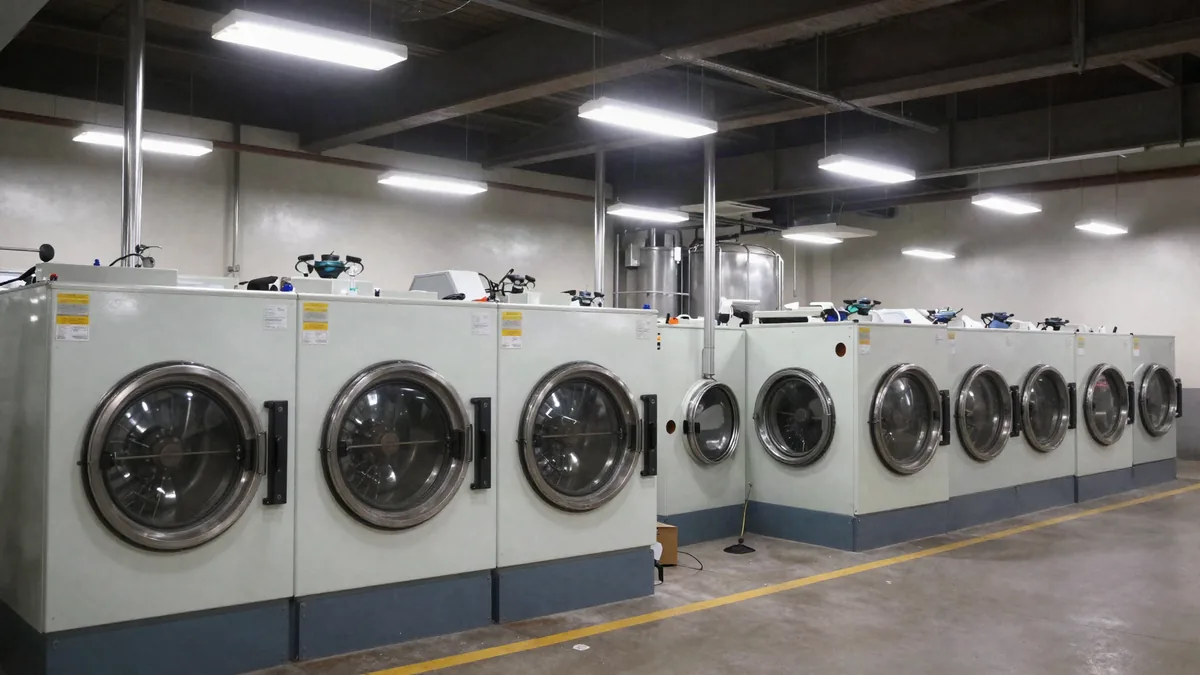
The laundry plant runs your tablecloths through a wash formula that's basically industrial strength: high pH, hot water, a sour step to neutralize the alkali. That handles coffee, tea, ketchup, most food soil. The problem is when a stain is set—either by heat or by age. A wine stain that goes through a dryer becomes a permanent thing. A grease stain that sits in a hamper for three days oxidizes and turns yellow. Those are chargeable.
Every contract I've seen defines 'excessive staining' as anything that doesn't come out in a standard wash. But 'standard wash' is their definition. Some plants will run a load twice if the first pass doesn't get it clean. Others will immediately tag it for a 'stripped' load and charge you a premium. Always ask: how many passes does your standard formula include? If it's one, that's a red flag.
Red Wine: Time Is Not Your Friend
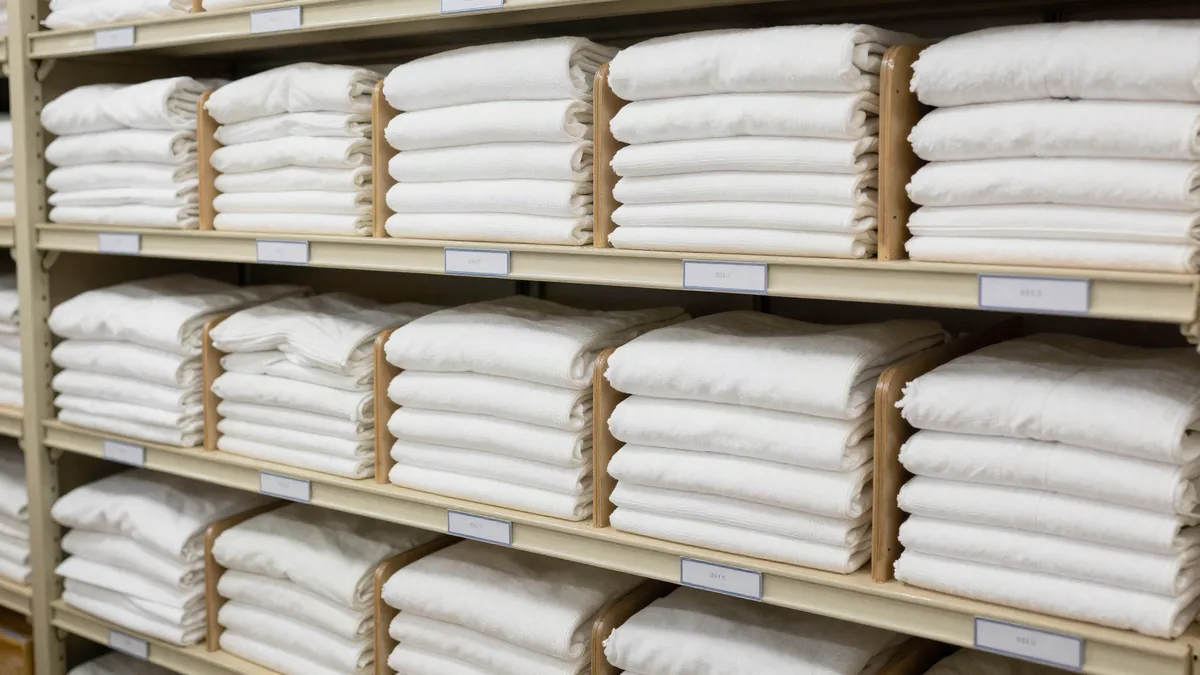
Red wine is a tannin stain. The pigment is water-soluble when fresh, but the minute it dries or gets heated, it binds to the cotton-poly blend. In the moment, blot—don't rub. Then get the linen off the table and into a cold-water soak. In a busy spot, that's often impossible. So you have to rely on the plant's pre-spotter.
Most commercial plants use a glycol ether or enzyme-based pre-spotter before the wash. That works for fresh stains. But if you're running a Saturday night and a stained tablecloth sits in a cart until Sunday, that wine is now 'old.' And old wine is chargeable. I've seen a $4 napkin cost $9 in 'special handling' fees because it sat overnight. That's not a guess; that's a real chargeback.
Grease and Oil: The Silent Yellowing
Grease is a different beast. It's hydrophobic, so water alone won't touch it. The plant uses a strong alkali—think sodium hydroxide—to saponify the oil into soap. That works if the grease is fresh. But the moment a greasy napkin sits in a damp pile for two days, the oil oxidizes. It turns into a yellow, sticky film that's almost impossible to remove without aggressive chemicals, which can damage the fabric.
And here's where I have to digress: I once had a manager who thought she could pre-treat grease with Dawn. She was trying to help. But dish soap leaves a residue that reacts with the plant's wash chemistry and can set the stain. If you're going to pre-treat, use something meant for commercial linens—a citrus-based degreaser with a pH around 9 or 10. Otherwise, you're making the problem worse.
So What's Actually Chargeable?
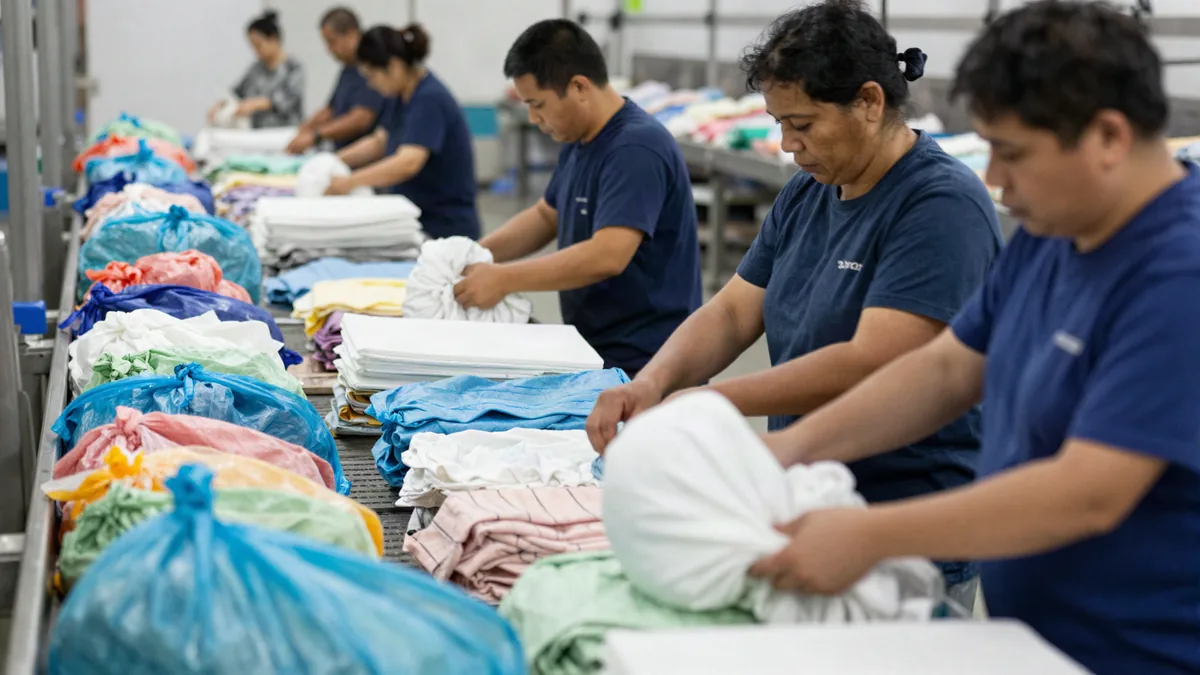
Here's the line I've learned to draw. A stain is chargeable when the plant has to do something beyond the standard cycle to address it—or when the stain permanently damages the item. That includes holes, tears, burns, and stains that no amount of pre-spotting will pull out. A fresh food or wine stain that comes out in the first wash? That's not chargeable. It's part of doing business.
To protect yourself, get the plant's stain classification guide in writing before you sign. The pricing model matters too: tablecloths are usually billed per pound or per piece. Uniform rental commonly runs $4-15 per employee per week. For tablecloths, you want a per-piece rate that includes a certain number of 'replacement items' in the base price. Some contracts allow up to 2% of your monthly volume to be written off without a chargeback. That cap isn't standard, but it's worth negotiating for.
How to Argue With Your Laundry Plant (and Win)
First rule: never accept a chargeback without asking to see the actual linen item. If it's truly damaged, fine—but many plants will send a replacement and charge you without ever showing you the original. I ask for a monthly report listing every item that's been classified as 'loss' or 'excessive staining.' Then I spot-check.
Second, look for plants with certifications like TRSA Hygienically Clean or HLAC accreditation. Those aren't restaurant-specific, but they show the plant cares about process control, which usually means their washing and stain-removal procedures are more consistent. And if your plant also handles flame-resistant garments with NFPA 2112 or NFPA 70E, that's a sign they run a serious operation. But don't assume—ask how they handle restaurant tablecloths specifically. You want a plant with a separate wash formula for heavy food soil.
Stain-Fighting Options Before the Ticket Counts
| Option | Time to do | Wine removal odds | Grease removal odds | Added cost per cloth |
|---|---|---|---|---|
| Blot and send | 30 seconds | 30% | 10% | $0.00 |
| Club soda scrub | 2 minutes | 40% | 15% | $0.10 |
| Enzyme spot spray | 2 minutes | 70% | 50% | $0.25 |
| Overnight enzyme soak | 12 hours | 80% | 60% | $0.50 |
Frequently Asked Questions
Can I pre-treat red wine with dish soap at the restaurant?
No. Dish soap leaves a residue that can set the stain when the plant washes it. Use a commercial pre-spotter or just blot and get it into a soak bucket with cold water.
How long does a wine stain have to be 'fresh' before it's chargeable?
It depends on the plant, but generally overnight is too long. Some plants consider a stain 'set' after two to four hours in a dry state. The sooner it's washed, the better.
What's the difference between a stain and a chargeback?
A stain is the mark itself. A chargeback is the fee the plant charges you when they decide that stain is beyond their standard wash cycle. It's a contract term, not a chemistry term.
Can I fight a chargeback?
Yes. Ask to see the item. If the plant sent it to a landfill, ask for a photo. If you disagree, you can request a third-party evaluation. Most plants will negotiate if you're a consistent volume customer.