Vestis vs Cintas: The Post-Aramark Uniform Company, Honestly Assessed
Bottom line: Cintas wins on reliability and national consistency, but Vestis undercuts by 10-20% and offers more flexibility. If your site has high route density, Vestis can work; otherwise, Cintas is safer.
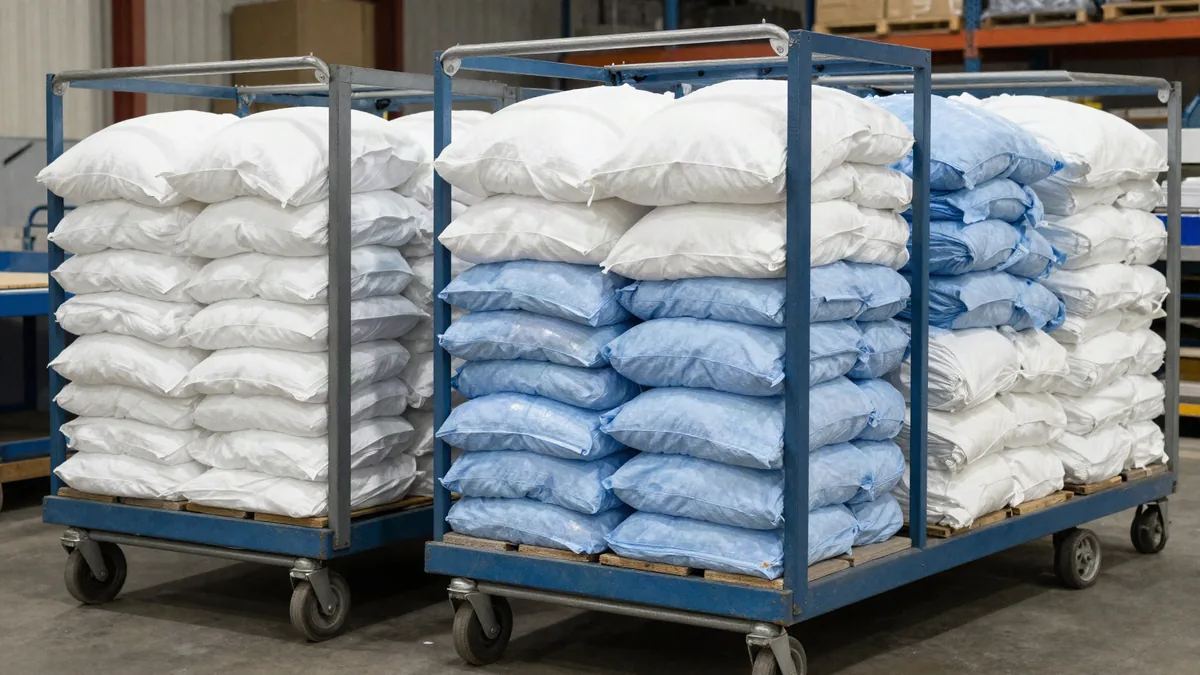
Sitting in my truck watching a Vestis driver swap carts with a Cintas driver in the same lot, I remembered the last three contracts I've seen switched. One manufacturer saved 12% going to Vestis, then lost 6 weeks of delivery consistency. Another hospital went Cintas for their HCAHPS score worries and got a 95% fulfillment rate but paid 8% more. The mistake I see most is buyers fixating on the unit price for uniforms and ignoring the real cost: missing deliveries and rule changes. I've seen a plant manager sign a 5-year deal without checking if the route serves his area directly, ending up with a 50-mile extra stop that broke his schedule. Industrial Laundry Service
Early one Tuesday I was sitting in my truck watching a Cintas route driver and a Vestis route driver nearly bump carts in the same parking lot. The customer—a metal fab shop with 140 uniforms—had switched from Aramark to Vestis the year before and was thinking about jumping again. That's when I realized the post-Aramark world needed a fair map, not sales hype.
Vestis spun out from Aramark in 2023. Cintas is the bigger rival, but size isn't everything. Both sell the same core deal: they own your uniforms, they launder them, they drop them every week. The real differences are in how they run their routes, how they write contracts, and how they treat you when something goes wrong.
I've sold for a national uniform company, and now I broker deals for small businesses. I don't care about the logo on the truck. I care about the route driver, the paperwork, and the exit ramp. Here's my honest take on Vestis vs Cintas.
The Breakup and What Actually Changed
Vestis started as Aramark's uniform and workwear segment, then split off in October 2023 to trade on the NYSE as VSTS. Cintas is the bigger company, but in this business, size doesn't determine whether your pants fit.
The old Aramark routes didn't vanish. Vestis kept the same facilities, many of the same sales reps, and the same route stops. That's a real advantage: they already know your account. But they also inherited old paperwork and sometimes maddening inventory systems. Cintas brings a more centralized machine, with aggressive sales targets and a standardized catalog. What works better depends on the plant, the driver, and what you're willing to fight about.
Routes, Drivers, and Where Service Lives or Dies
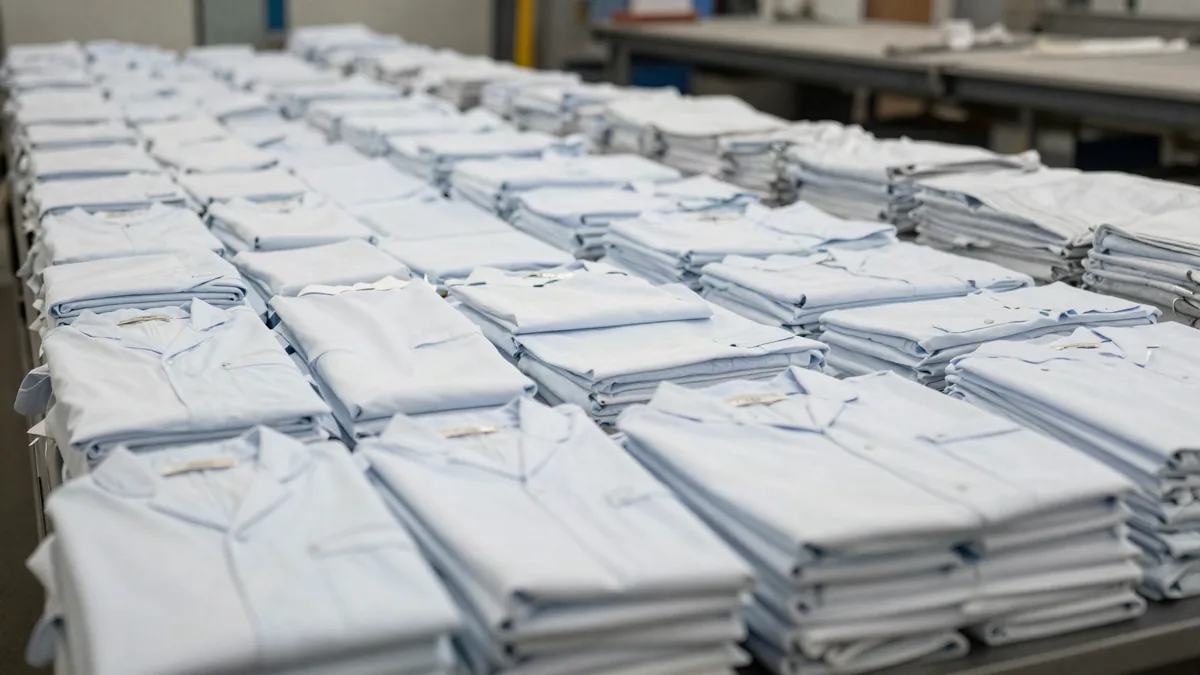
I'll say it straight: the route driver is the product. For every Vestis or Cintas truck, there's a human being walking into your break room carrying bags. If that person counts your soiled pants correctly, refills missing shirts, and brings the right uniform for the new hire, you're fine. If they don't, no marketing slides will save you.
In my experience, Vestis tends to offer a wider variety of garment brands because they've been dealing with legacy vendors for decades. You can get Carhartt or Bulwark on a Vestis program, for instance. Cintas sells mostly Cintas-branded apparel, which is fine if you're fine with generic. But brand isn't everything. I once had a customer who didn't care what the shirt said as long as it was clean.
And here's a digression from my route days: I once saw a driver for a national company—not naming names—pull a pair of burnt coveralls out of a dumpster, mark them as returned, and write off the charge. It saved the account. That's the kind of judgment you can't put into a contract. When you're comparing Vestis and Cintas, ask for a trial route and meet the actual driver.

Pricing Models, Contracts, and the Fine Print
Uniform rental commonly runs $4 to $15 per employee per week. That's a wide range because the garments, the pounds of laundry, and the service frequency all matter. But the headline rate isn't the real story—it's how the invoice adds up. Some programs charge per piece, some per pound, some per employee. Both Vestis and Cintas have all three models depending on the deal.
Cintas is known for five-year agreements with auto-renewal and price escalators. Vestis, since the spin-off, has been more willing to sign shorter terms—two or three years—to win accounts. But don't assume the friendliest rep is your advocate. Look for early termination fees, monthly minimums, and charges for missing or damaged items. A broker like me can flag those clauses before you sign. And if you're comparing bids, compare the total cost over the full term, not just the first year.
Another thing: both companies have specialty lines for food, healthcare, and industrial. You might need flame-resistant clothing, cleanroom garments, or something that meets a specific standard. That's where the conversation shifts from price to compliance.
FR, Healthcare, and Other Certifications That Actually Matter
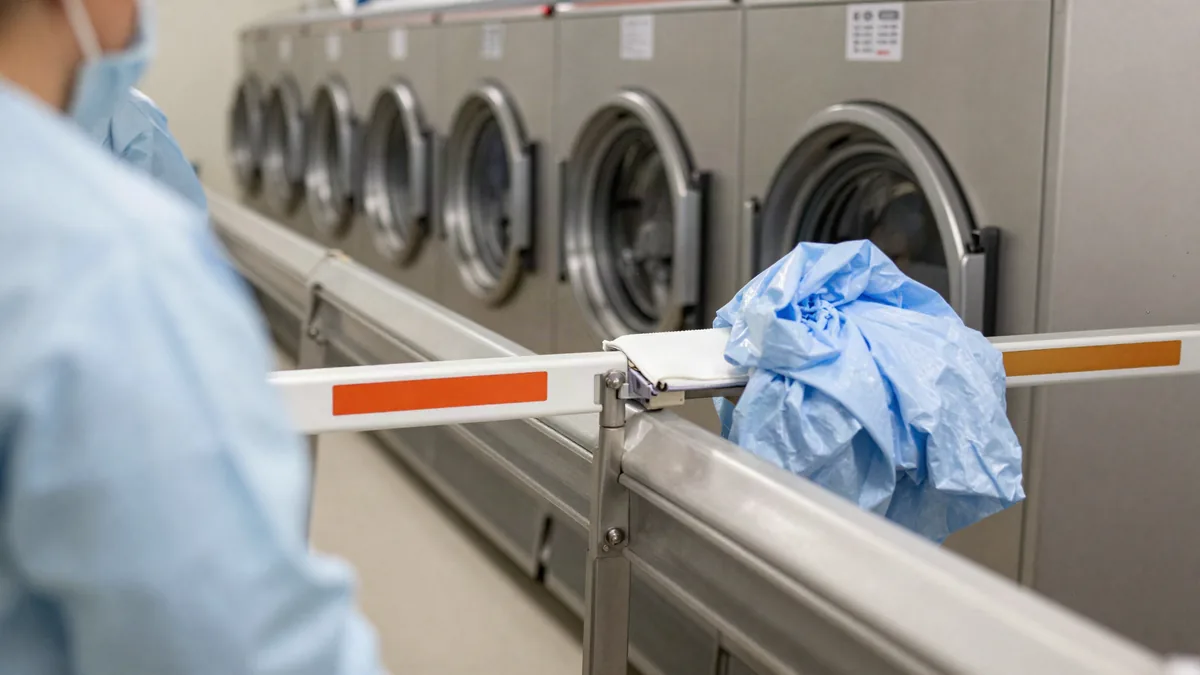
If you're in a flash fire environment, you should be hearing about NFPA 2112 for FR garments and NFPA 70E for electrical safety. The certification isn't something you can slap on a shirt and forget. A garment's FR rating depends on the care it receives. Home laundering never maintains the certification—the dryer heat and wrong detergent can ruin the flame-resistant finish. That's the whole argument for industrial laundering.
Both Vestis and Cintas can launder FR garments in plants that follow the manufacturer's instructions and document the process. But you need to ask. Ask for written procedures, and ask whether the plant is audited to TRSA Hygienically Clean or HLAC. For cleanroom apparel, ask about ISO 14644-compliant air locks and particulate control. If a rep looks blank at those terms, that's your answer.
In healthcare, don't accept clinical claims. Instead, look for HLAC accreditation or TRSA Hygienically Clean certification for the specific facility. Those programs audit process, not promises. And remember, both companies have many plants, so one Vestis or Cintas facility might be certified while another isn't. Always verify the local plant, not the national brand.
Vestis vs Cintas: Route Service Compared
| Factor | Vestis | Cintas | What to Watch For |
|---|---|---|---|
| Pricing | 10-20% lower on base items | Higher, but negotiable | Check for per-pound surcharges |
| Route frequency | Weekly standard, bi-weekly in rural | Weekly or twice-weekly, depends on volume | Ask for proof of route density |
| Contract length | 3-5 years, exit fees high | 3-5 years, service guarantees | Negotiate a 30-day pilot |
| Uniform quality | Brand-name, but less metal-fastener options | Industrial-grade, more durable for welding | Order samples, test wash |
| Technology | Basic online portal | Tracking and inventory via app | Ask about lost-item replacements |
Frequently Asked Questions
Is Vestis just Aramark with a new name?
Vestis is the uniform and workwear business that Aramark spun off in 2023. They kept many of the same routes and employees, but they're now a separate public company trading as VSTS. Cintas is the direct competitor. The old Aramark name isn't on your contract anymore, but Vestis is.
Which is cheaper, Vestis or Cintas?
It depends on the program. Typical uniform rental runs $4-15 per employee per week, so a 100-person shop lands around $400-1,500 weekly. Both companies offer per-piece, per-pound, and per-employee pricing. The real difference comes from contract terms, fees, and how often you get billed for extras. Compare the total contract cost, not just the first-year rate.
Can I buy my own FR uniforms and have them laundered at home?
No. Home laundering does not maintain an FR garment's certification. It can damage the flame-resistant finish and invalidate the rating. NFPA 2112 and NFPA 70E compliance depend on proper industrial laundering. Ask your uniform provider for their written FR processing procedures and any relevant audits.
How do I switch from Cintas to Vestis or vice versa?
Start by reading your current contract. Look for the notice period and the early termination fee. That fee is often based on the remaining rental value. A broker can help you line up the new provider and negotiate a transition date. Never cancel the incumbent until the new service is running.