Laundry Wastewater, Solvents and Used-Oil Rags: The Rules Facilities Miss
Bottom line: The rules facilities miss: solvent-laden shop towels must be waste-profiled before disposal, laundry wastewater has its own discharge limits, and used-oil rags aren't automatically non-hazardous.
One DNR inspector asking me what solvent soaked a single rag cost me four months of paperwork and a $12,000 fine. That's what a missing hazardous waste determination does. The rule most facilities miss: a shop towel that has touched acetone, toluene, or any listed solvent is a hazardous waste until it's been laundered, and if you send it to a regular industrial laundry without telling them, you're both on the hook. I've watched facility managers throw used oil rags into the dumpster because they think 'dry wipes out' the hazard. It doesn't. Used oil rags that are free-draining are still a used oil waste, and if they're contaminated with solvents, they're a listed hazardous waste. The same DNR inspector also asked about the discharge from that laundry machine that had been running grease and coolant through the sump. That was another $3,000 in laboratory testing and a permit amendment. Industrial Laundry Service
Last spring, a DNR inspector pulled one grease-blackened rag out of the 55-gallon drum by the press brake and asked me to tell him what solvent it had touched. I couldn't. That single conversation upended my whole waste program, and honestly, it should have upended it sooner.
Shop towel disposal regulations don't look like the Clean Water Act. They live in the gap between being a solid waste, a hazardous waste, and a used oil. Most facilities miss them because they think a rag is a rag. It isn't, and the rules that catch you aren't always where you expect them—sometimes they're in your laundry wastewater discharge, sometimes in your uniform rental contract.
This post is for the EHS manager who's inherited a pile of dirty rags and a contract that says 'laundry service.' I've been that manager. Here's what I've learned.
Shop Towels Are Waste Until Proven Otherwise
First thing you have to get straight: your used wipes aren't automatically trash. Under the EPA's solvent-contaminated wipes exclusion (40 CFR 261), wipes that touched listed solvents like toluene, xylene, or methylene chloride can be managed as non-hazardous only if you follow six specific conditions. You need a closed, labeled container that says 'Solvent-Contaminated Wipes.' You need to keep free liquids out. You need to have the wipes sent to a laundry or a waste-to-energy facility—not the dumpster. And you need documentation showing that's what happened. If you're missing one condition, you've got a full-bore hazardous waste on your hands.
Oil is a different beast. Oil-soaked rags don't automatically become hazardous, but they may be regulated under the used-oil rules (40 CFR 279) depending on how much free oil is present. States vary. California's rules aren't Texas's rules. The only way to know for sure is to do a waste characterization. We send a sample to a lab every year. It runs $300 to $500 per stream, give or take. Cheap insurance.
But the part everyone misses is this: you're the generator. You're on the hook for that waste determination. You can't deed it to the laundry company or the disposal vendor. They'll take your rags, but if it turns out they're hazardous and you didn't label them, that's on you, not them.
Your Drain Is a Point Source Whether You Like It or Not
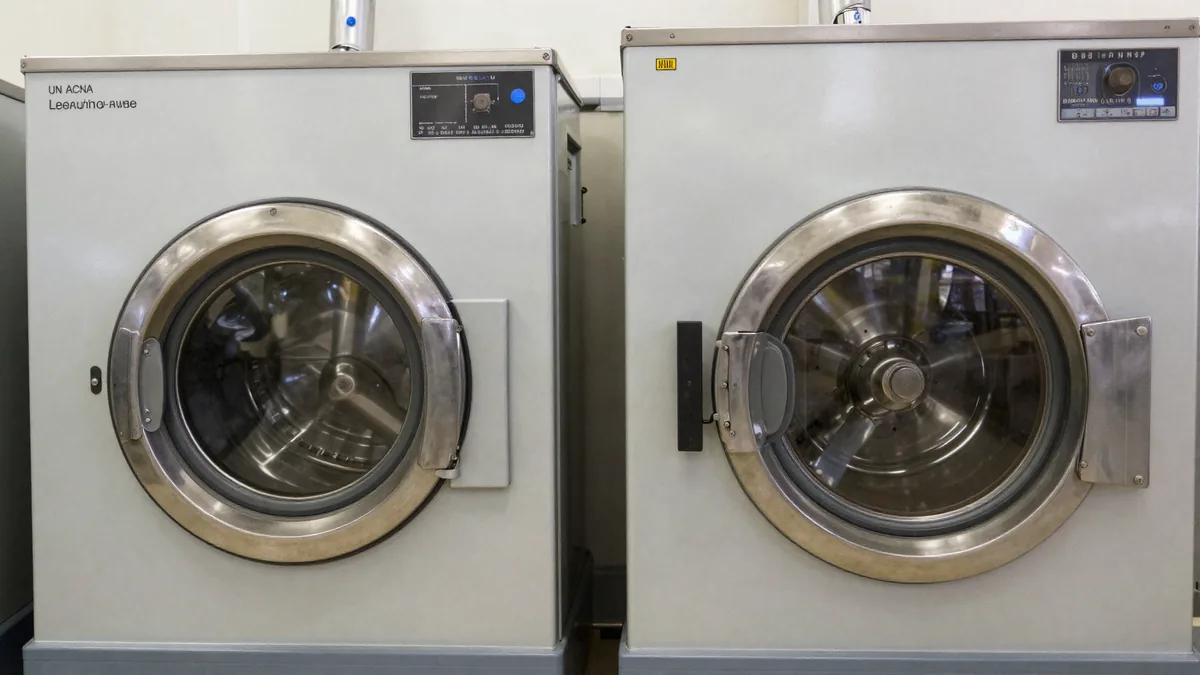
Now let's talk about on-site washing. If you're doing any amount of your own laundry—FR coveralls, shop towels, wiping cloths—the water going down your drain is industrial wastewater. In most places, you're discharging to a publicly owned treatment works (POTW), and they have rules. They don't care if you call it 'wash water.' They care about pH, chemical oxygen demand, heavy metals, and solvents.
I've seen plants install a 1,000-gallon equalization tank and a pH neutralization system just to stay in compliance. That costs real money. If you're not pre-treating, and you're pouring residues into a floor drain, you're violating your wastewater permit and probably your local sewer ordinance. That's a fine that starts at four digits per day, and it's not theoretical.
Then there's the home washer problem. I've had employees ask if they can take their FR coveralls home and wash them. The answer is a hard no. Home laundering doesn't follow the specific procedures in NFPA 2112, and there's no verifiable chain that says the flame-resistant properties remain intact. Industrial laundries that service FR garments follow manufacturer's instructions and often carry certifications like TRSA Hygienically Clean. That certification is about hygiene process, not clinical results, but it tells you the laundry is following standards. If you're washing at home, you've voided your compliance—and you've turned your home into a wastewater outfall.
What Your Rental Contract Really Says
If you outsource laundry—and most of us do—look at your contract like a waste contract, because that's what it is. A typical uniform rental runs $4 to $15 per employee per week, depending on the plant and the soil level. Shop towels are usually priced per pound, and you'll often see a per-piece charge for specialty wipers. The laundry company processes the wipes and sends them back. But the contract rarely covers environmental liability for the waste itself.
Ask the rental company for two things: a copy of their environmental permits and their process for managing solvent-contaminated wipes and oily wastewater. If they can't produce either, press them. We once had a vendor who 'didn't have a permit' because they discharged everything to a municipal sewer. That was true, but they also didn't have a hauler manifest for the solids they skimmed off. That's a red flag.
The other thing that gets missed is who authorizes the disposal of your wipes. Some contracts have a clause that says the laundry company becomes the owner of the wipes at pickup. That's fine, but it doesn't transfer your liability as the generator. You still need to know whether they're handling them properly. The law will come to you first.
A 5-Step Checklist to Get Clean
So here's what I tell other EHS managers who are staring at their own drum of dirty rags. You don't need to redo your whole program. You need to do five things.
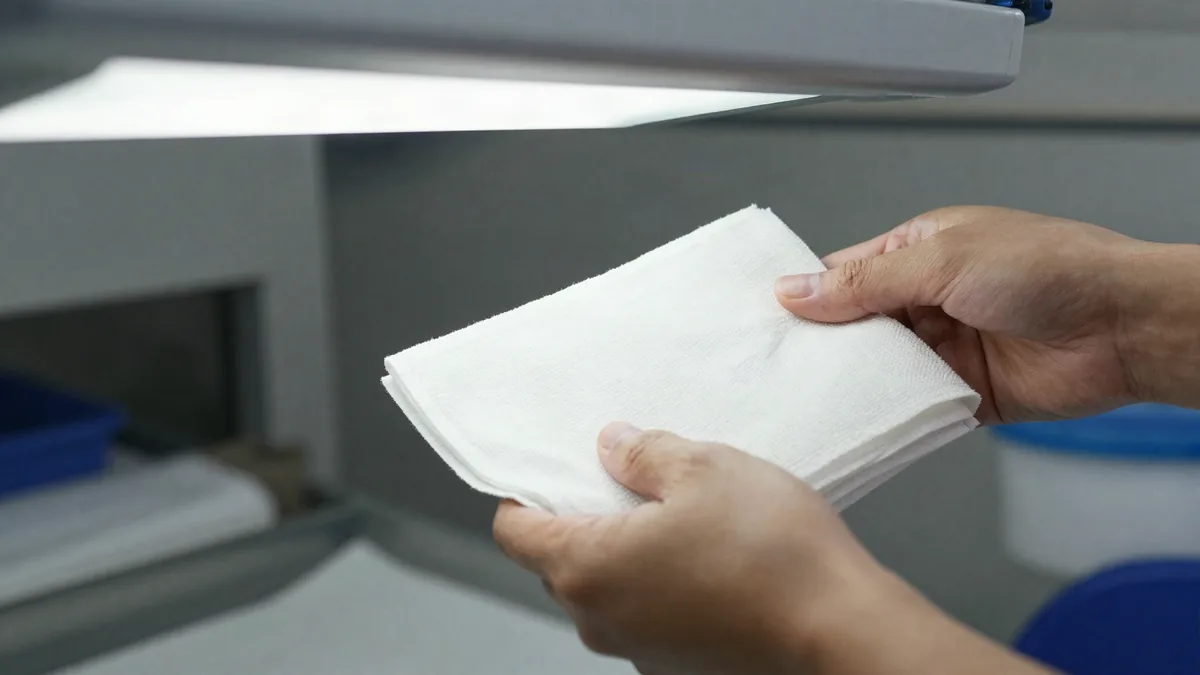
Step one: audit every wipe. Walk the plant and ask what each rag actually gets used for. You'll find a container of acetone by the welder that you forgot about. Step two: do a waste characterization on anything questionable. Send a sample to a lab. Step three: set up accumulation stations with closed containers and labels. No free liquids. Step four: train your people. Nobody puts a dripping solvent rag in the oily bin. Step five: keep a pickup log—date, weight, hauler, destination. File that with your other waste paperwork.
That's not glamorous. But neither is explaining to a federal inspector why your drum smells like toluene. The facility that gets caught isn't the one with the most rags. It's the one with the thinnest paper trail.
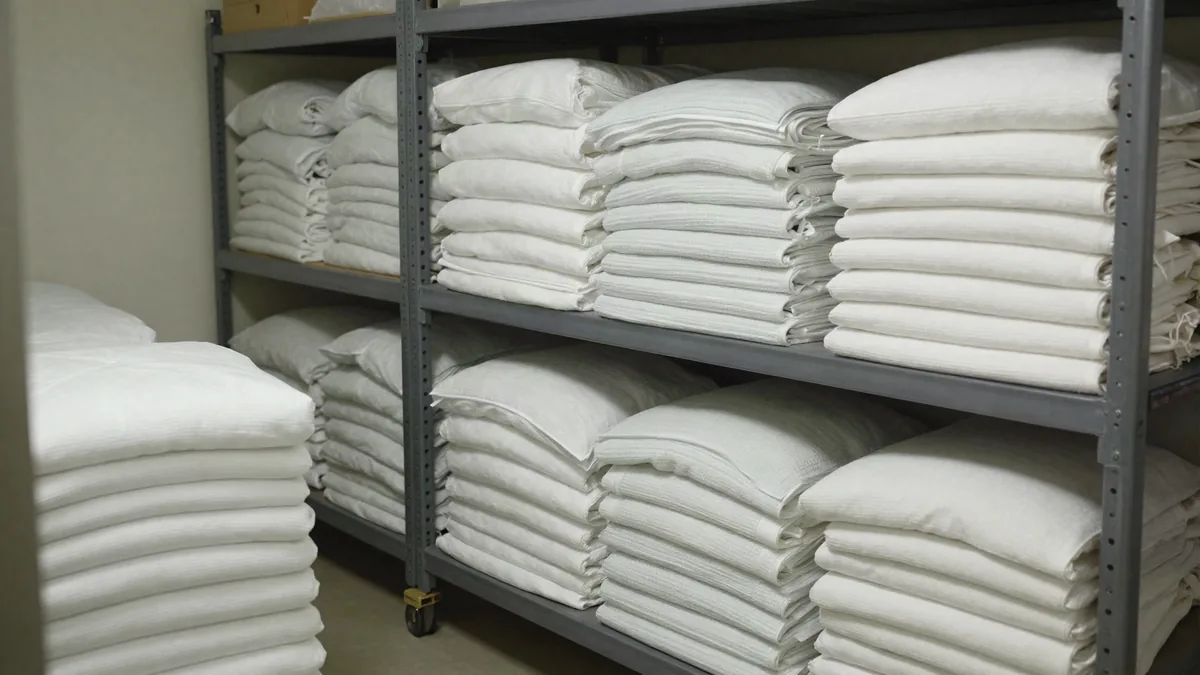
Solvent Rag Disposal Routes: A Facility Manager's Comparison
| Option | Regulatory Requirement | Typical Cost | Liability |
|---|---|---|---|
| Permitted industrial laundry | Conditional exclusion under 40 CFR 261.4(b)(18) for solvent-contaminated wipes, sent for laundering | $0.80-$1.50 per pound | Shifts to the laundry once you provide a waste profile |
| Hazardous waste incineration | Full RCRA manifest, EPA ID for generator, disposal at a permitted TSDF | $0.75-$2.00 per pound plus $50-$100 manifest fee | You remain liable until destruction |
| Solvent recycling service | Legitimate recycling process; recycler must have a RCRA permit or exemption | $150-$400 per 55-gallon drum | You remain generator, but the recycler takes custody |
| Traditional trash pickup | None, illegal for hazardous waste or used-oil waste | $50-$200 per pickup, plus fines | You are fully liable for any release or improper disposal |
Frequently Asked Questions
Are oily shop towels hazardous waste?
Oily towels that don't contain listed solvents and have no free oil are generally not hazardous, but they're regulated under used-oil rules in many states. You need a waste characterization to be sure. Never assume.
Can I wash FR coveralls in a regular home washing machine?
No. Home laundering doesn't follow the procedures outlined in NFPA 2112 or the garment manufacturer's instructions, and it can't verify that the flame-resistant properties are intact. Industrial laundering is the only way to maintain compliance.
What is the EPA solvent-contaminated wipes exclusion?
It's a federal rule (40 CFR 261) that lets you manage solvent-laden wipes as non-hazardous waste if you meet six conditions: closed labeled containers, no free liquids, and sending the wipes to a laundry or waste-to-energy facility. State rules can be stricter.
How much does it cost to rent shop towels and uniforms?
Uniform rental usually runs $4–$15 per employee per week. Shop towels are priced per pound or per piece. The real cost is environmental compliance, which depends on whether you wash on-site or outsource.