TRSA Hygienically Clean Certification Explained
Bottom line: TRSA Hygienically Clean certification proves a laundry passes quarterly microbial tests and annual audits, giving buyers verifiable evidence of hygienic processing.
I've seen buyers treat that certificate like a one-time vaccine. It's not. I once watched a brand-new materials manager reject a plant because the certificate was three weeks old, assuming it was stale. In this industry, that's like judging a restaurant by the previous health inspection. The TRSA Hygienically Clean designation is a live system. Quarterly, an independent lab swabs finished linens for Staphylococcus aureus, MRSA, and other pathogens. They also check water temperatures, chemical concentrations, and wash formulas. If any sample comes back hot, the plant has to correct and retest. My job is to make sure my hospital's patients don't get infections from sheets. So I want to know how that plant is performing this week, not just last year. Healthcare Linen Service | Restaurant Linen Service
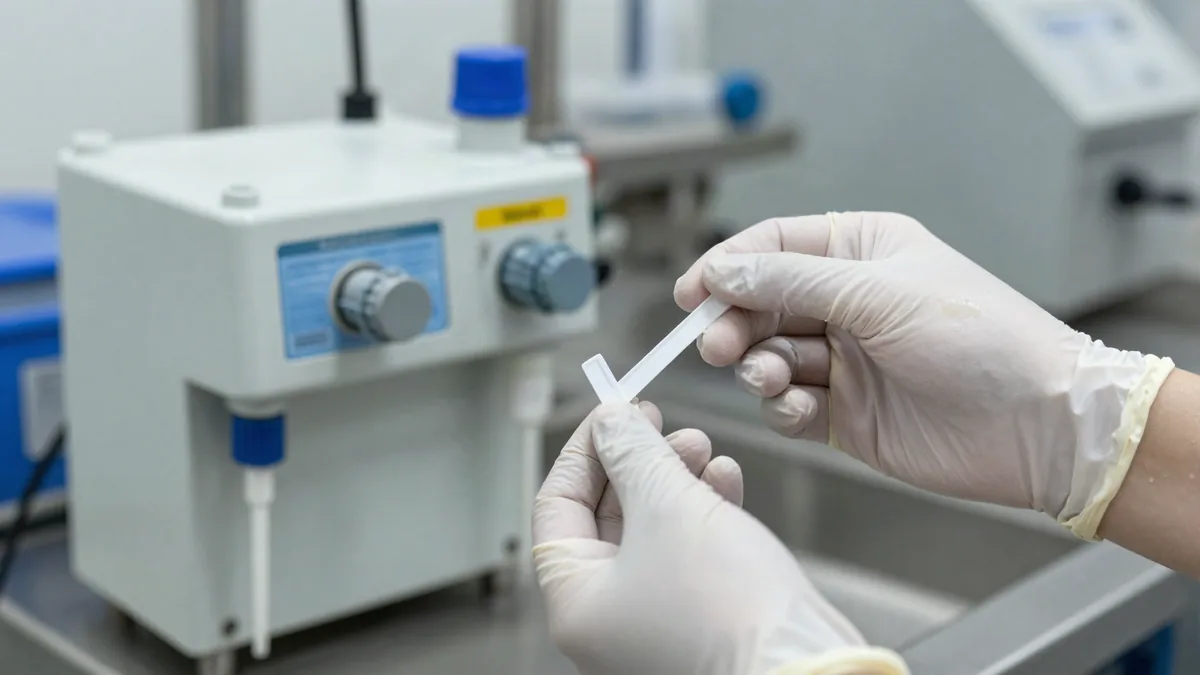
Last month I stood in a laundry plant wearing blue booties, watching a tech press a swab against a stack of freshly folded surgical towels. The certificate on the wall said TRSA Hygienically Clean, and it was dated three weeks before. That little piece of paper is one of the reasons my hospital system keeps that plant on our approved vendor list. But what does it actually mean? I've been in hospital materials management for eleven years, and I still see buyers treat it like a magic stamp. It's not magic. It's process, testing, and a lot of stubborn attention to detail.
What TRSA Hygienically Clean Actually Is
TRSA is the Textile Rental Services Association, the trade group for commercial laundries. Hygienically Clean is their voluntary certification program. A laundry plant doesn't have to join. They ask to be inspected, then they pay for the privilege. The goal is to prove that their finished linen and uniforms are clean enough for healthcare use—including operating rooms and patient rooms.
The certification isn't a one-time sticker on the window. Inspectors show up on a regular schedule, but they also pop in unannounced. They look at how the plant separates soiled linen from clean linen, how they handle air flow, how employees move between areas, and whether the washers actually reach the temperatures they claim. They run biological tests on finished textiles, looking for indicator bacteria. Not the nasty stuff you read about on the news, but organisms that tell you whether the washing and rinsing process is doing its job. If a batch fails, that plant has to fix it and show proof—or they lose the cert.
How the Process Works in the Plant
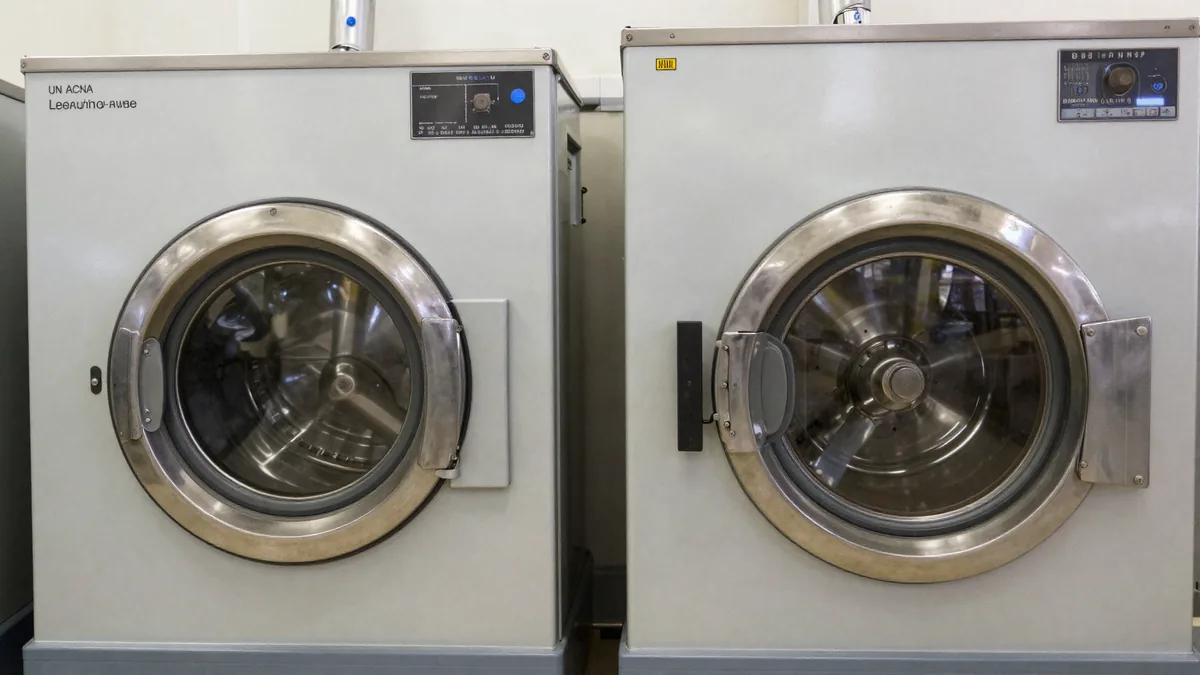
You can't just turn up the hot water and hope. The standard demands documented evidence. The laundry has to track wash cycle times, chemical concentrations, and water temperatures. They have to show that their equipment is calibrated. They also have to demonstrate that employees are trained in hygiene—like changing gloves after touching a barrier bag, or not walking from the soiled sort area into the clean towel folding room without a wash down.
The testing part is where it gets interesting. A third-party lab swabs finished product, then cultures it. They're looking for total bacterial counts and specific organisms like coliforms. It's not about making clinical claims—we're not talking about infection rates. It's about showing that the process works. If you're swabbing a surgical towel and the culture comes back dirty, something upstream is broken. The plant has to find the root cause, correct it, and document it. That's the same kind of thinking we use in our own hospitals for sterile processing, except this is for textile.
Why a Hospital Procurement Guy Cares
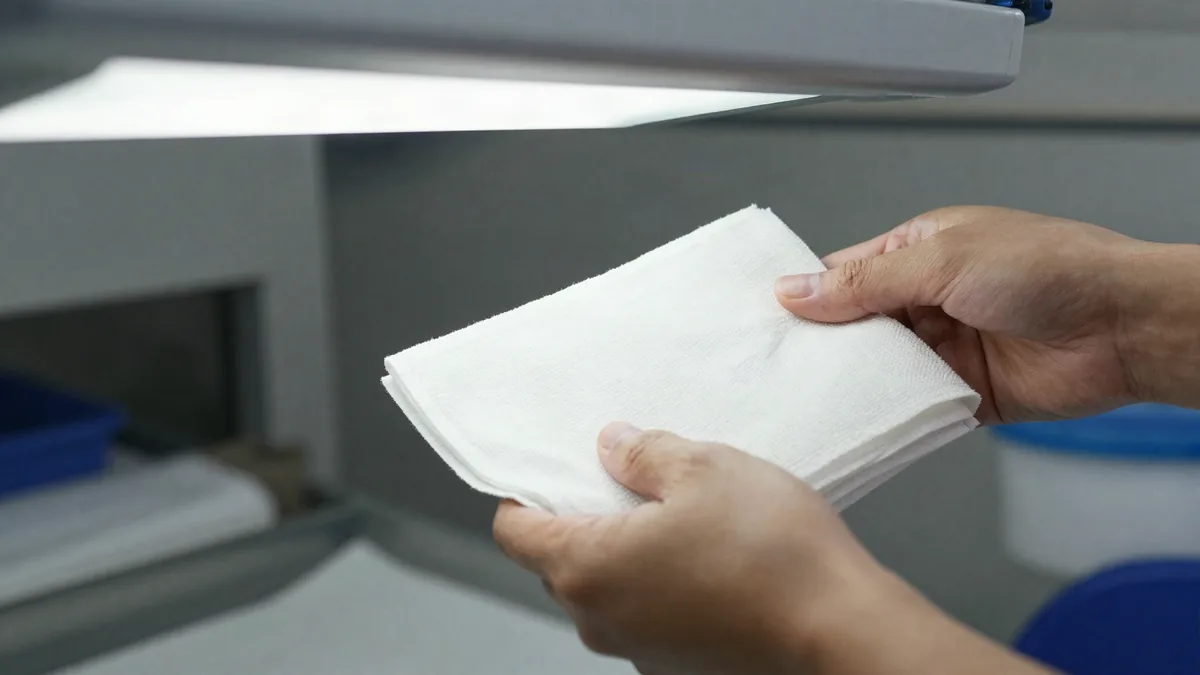
When I put out a bid for 2,500 sheets and 800 patient gowns per week, I can't visit every plant myself. I rely on tags like Hygienically Clean. It tells me that somebody with a clipboard has checked the basics: the floor drains are clean, the lint filters are emptied, the clean linen cart is wrapped, and the employees aren't eating lunch where they fold bed sheets. That sounds small, but it's the difference between a plant that just looks good on a tour and one that actually follows a system.
It matters for pricing too. Most healthcare linen contracts are priced per pound or per piece. Uniform rental is usually per employee per week—commonly $4 to $15, depending on the program and how many garments are needed. Certification doesn't set that price. But it does protect your investment. You're paying for clean linen, not just washed linen. If a provider doesn't hold a hygiene certification, I start asking hard questions about their water temperatures and test records. And if they can't produce those records, we move on. There are too many plants out there that want our business without earning it.
The Hygienically Clean vs. HLAC Question
You'll also see HLAC on laundry plant walls. That's the Healthcare Laundry Accreditation Council. It's a non-profit that does its own inspections, and it's also a common requirement in hospital contracts. So which one do you need? Honestly, it depends on the plant. Some hold both. Others choose one. A few hold neither and still serve hospitals—though those are becoming rarer.
The two programs are similar in spirit. Both require a physical audit, both look at your system, and both want to see testing data. The difference is mostly in the organization behind them: TRSA is the trade association representing the industry, while HLAC is specifically devoted to healthcare accreditation. I've seen plants with both, and I've seen arguments over which is stricter. From my chair, the strictest one is the one that gets re-tested and actually loses certification when they fail. Ask your laundry which one they hold, then ask to see the latest audit report. If they hesitate, you have your answer.
What You Should Ask Your Laundry Provider
Don't just ask, 'Are you TRSA Hygienically Clean?' Anyone can say yes. Ask to see the current certificate. Look at the date—it should be within the last year. Ask how many unannounced inspections they've had in the past two years. Ask about the last time they failed a bacterial test and what they changed because of it. A good plant will answer without getting defensive.
Also ask about OSHA 1910.1030, the bloodborne pathogens standard. That's a federal safety rule that applies to laundry, and it's part of how staff handle soiled linen. It's separate from Hygienically Clean, but it's relevant to the same job. You're looking for a plant that treats dirty hospital linen like a serious hazard, not a shrug-and-pitch-it operation. The certified plants tend to have better signage, better handwashing stations, and more consistent glove use. Those are the small things that tell you the culture is right.
Laundry Certification Options Compared
| Criteria | TRSA Hygienically Clean | HLAC | No Certification |
|---|---|---|---|
| Microbial testing | Quarterly independent lab swabs | Quarterly independent lab swabs | None |
| Facility audit | Annual physical inspection | Annual physical inspection | None |
| Scope | Healthcare, hospitality, restaurant | Healthcare only | Any |
| Buyer evidence | Third-party lab reports | Third-party lab reports | Self-reported |
Frequently Asked Questions
Is TRSA Hygienically Clean certification mandatory for hospital linen?
No, it's voluntary. But many hospitals and group purchasing organizations require it in contracts. It's a way to prove the laundry meets a recognized standard without having to audit every plant yourself.
How often is the certification renewed?
Renewal happens annually, but the program includes regular unannounced inspections and routine testing throughout the year. The certificate you see on the wall is just the starting point—ask about the test results.
Does Hygienically Clean cover both patient gowns and surgical linens?
Yes, it applies to any textiles processed by the plant, including patient gowns, sheets, towels, surgical drapes, and uniforms. The testing is done on finished product, so it reflects whatever the plant processes for healthcare.
Can a plant lose its certification?
Absolutely. Failing a bacterial test or failing to follow corrective action can lead to suspension or revocation. That's the point—certification is not a one-time award. It's an ongoing requirement.