Joint Commission Linen Survey Readiness: Nine Things Surveyors Check
Bottom line: Joint Commission surveyors check nine specific linen practices, including labeled containers, minimal agitation, and staff training, and your compliance hinges on written policies that match what employees actually do.
After that surveyor incident, I ran a quick audit of our soiled linen handling. Of the four hospitals, three were using the same clear plastic bags we'd always used, but the policies we had on file specified red biohazard bags for any linen soaked with blood. That mismatch cost us two days of re-training and a stern letter. What I learned is that Joint Commission surveyors don't memorize your binder; they watch what your staff actually do. They'll time how long it takes a tech to tie a hamper. They'll open the lid and look for a missing label. And if you have a commercial laundry handling your OR packs, they'll ask to see the chain-of-custody paperwork. So my advice is simple: walk your own soiled linen path from patient room to truck and see what they see. Healthcare Linen Service
Last spring, a Joint Commission surveyor followed me into our soiled linen room and asked why we didn't have a biohazard sign on the door. I knew the answer — OSHA 1910.1030 doesn't call for a sign, but it does require contaminated linen be handled with minimal agitation and put in a labeled container. She just wanted to see if I'd reach for the binder or make something up. I reached for the binder.
We're a four-hospital system with about 1,100 staffed beds. We push roughly 40,000 pounds of linen a week through a commercial laundry, give or take five thousand depending on the season, plus a smaller in-house operation for OR work. After eleven years, I've watched surveys go sideways for less than a missing sign.
The Joint Commission doesn't publish a linen checklist. But after a few cycles, you know what they're hunting for. These are the nine things I check before every survey.
One: Written Policies and Training Records
Your linen policy has to cover the entire loop — from patient rooms to soiled holding, through the laundry, and back to clean storage. Surveyors will ask to see it, then they'll ask a nurse aide how she actually transports a bag of used linen. If those two answers don't match, you've got a problem. Keep your policy short. Ours is three pages.
The second check is staff training. Your nursing and housekeeping staff need documented training on that policy within the last year. We use an online module, but a sign-in sheet works. The surveyor will ask for the last five employees' records, so keep them in one place. They'll also want to see your high-temperature wash records if you do any washing on-site. We don't — our commercial partner handles that.
Two: Vendor Certifications and Contract Clarity
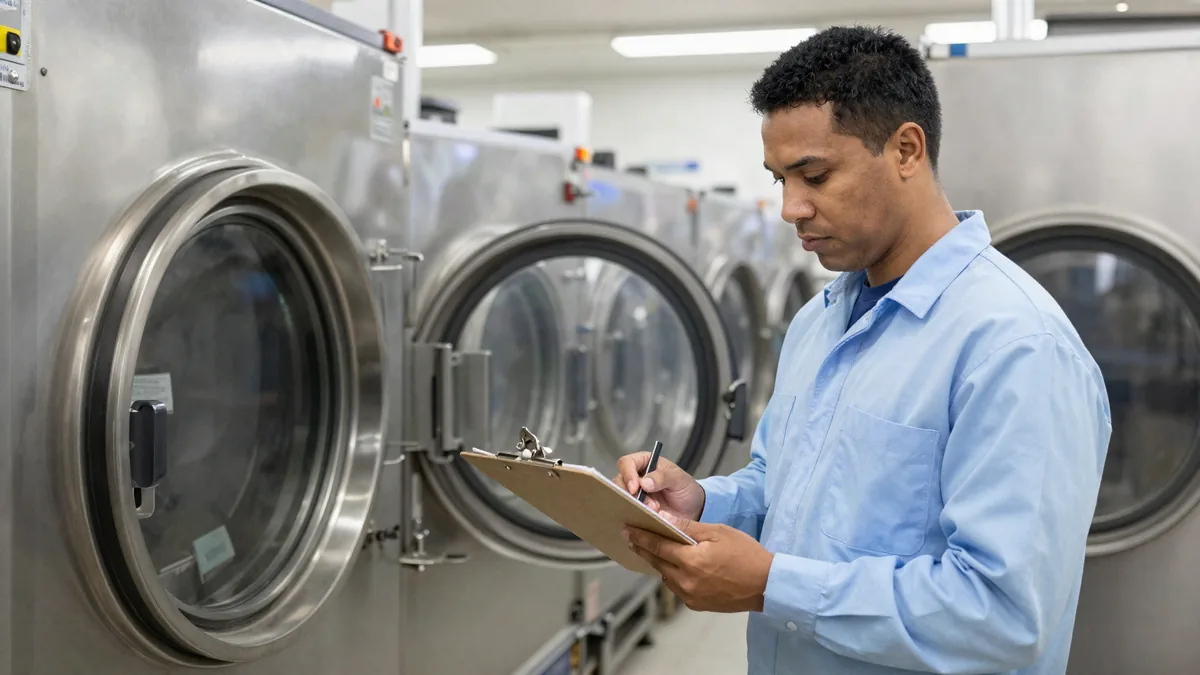
If you outsource, surveyors will ask about your laundry. They want proof of an accepted healthcare laundry certification — TRSA Hygienically Clean or HLAC. These require annual microbial testing and audits of the plant, trucks, water temps, and finishing. Ask your vendor for the current certificate. If they hesitate, that's a red flag. Ask to see the latest audit report, too.
The contract matters, as well. We pay a blended rate per pound — call it $1.15 to $1.20, but it depends on the plant and the mix. Surveyors won't care about price; they care that your contract holds the vendor to specific performance metrics like turn-around time and sealed clean carts. We have a clause that requires them to share the results of their quarterly testing.
Three: Storage and Transport
Clean linen must be placed off the floor, in a clean dry room, covered or in enclosed carts. Surveyors love to spot a folded sheet touching the floor. We switched to sealed Metro Healthcare carts, and we never stack linen on the bottom shelf. The dust settles there. Keep the room comfortable but not hot. Humidity is a bigger deal — if you can see condensation on a window, you have a problem.
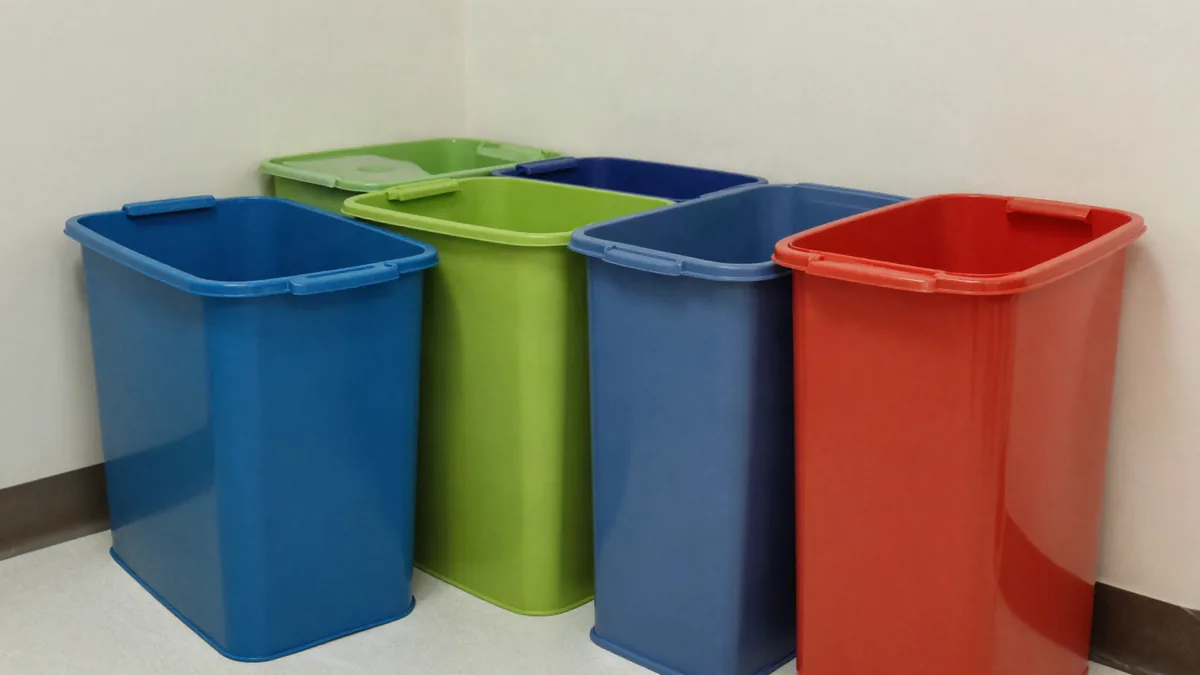
Transport is the other half. Use dedicated carts for clean and soiled linen, color-coded and never crossing paths. Ours are white and red. During peak hours, surveyors watch hallway traffic. Careful: a cart of clean blankets left in a corridor is a classic finding. Have a holding plan for the elevator bottleneck.
Side note: hotel linen storage looks pretty, but hospitals aren't hotels. You can't just stack pillowcases and call it done. There's no valet for the operating room.
Four: Soiled Linen Handling and PPE
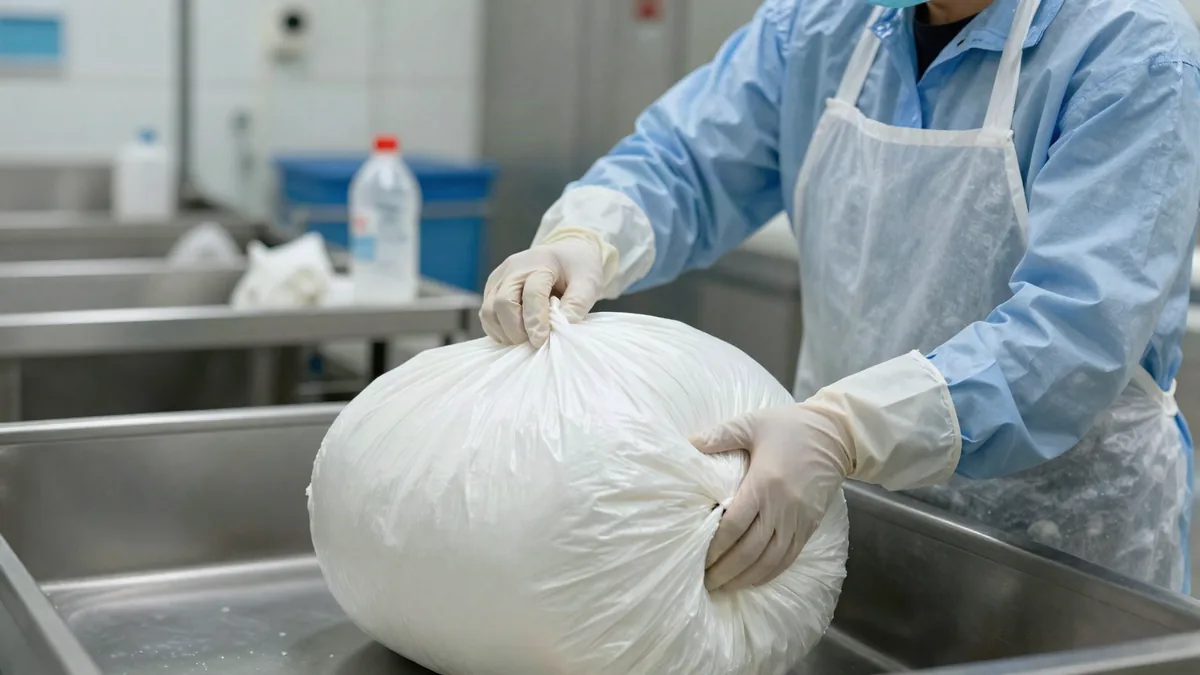
Joint Commission references OSHA 1910.1030, the bloodborne pathogen rule. It governs how you bag, tag, and transport contaminated linen. The rule: minimize agitation, use leak-proof bags if linen is saturated with blood, and wear PPE when you handle it.
Surveyors will check the soiled holding room for a sink, soap, and paper towels. They'll also verify negative pressurization. Ask your facilities director if you're not sure. We keep face shields and waterproof aprons next to the chute. And ask staff what to do when a bag is leaking. The right answer is double-bagging and a written disposal procedure, not "I just toss it." The surveyor will give you a scenario, so make sure your people know the flow.
Five: Inspection, Repair, and Emergency Backup
Every hospital has a pile of linen that should have been pulled. Surveyors check for a process to identify torn, stained, or worn items and remove them. We have a QR code system on our carts — the laundry scans each batch and flags damaged pieces. Took a year to talk them into it, but it works. We audit their damage report every month and do a spot check on five random carts.
Finally, emergency supply. Surveyors may ask how long you could operate if the laundry plant shut down. We keep a 12-hour contingency stock of pillowcases, sheets, gowns, and OR towels. It's not a luxury; it's survival. The backup cost is part of our per-pound contract, or you can buy it as a separate service. No one thinks they'll need it until they do.
Surveys never get easier, but they get less scary when you know what they're looking for. That's my list. If you've got another one, I'd be glad to hear it.
Soiled Linen Containment Options Compared
| Option | Material | Cost per 100 lbs | Surveyor Watch-Out |
|---|---|---|---|
| Reusable cloth bags | Cotton/poly | $0.30-$0.60 wash treatment | Must have visible biohazard label and closure |
| Single-use plastic biohazard bags | Polyethylene | $0.10-$0.20 | Check for correct thickness and seal integrity |
| Water-soluble laundry bags | PVA film | $0.50-$0.80 | Confirm water temp above 160°F for full dissolve |
| Disposable cart liners | Polypropylene | $0.15-$0.25 | Look for gaps or open ends in transport carts |
Frequently Asked Questions
Does the Joint Commission require a specific laundry certification?
No, but surveyors will look for a quality program. TRSA Hygienically Clean and HLAC are the accepted industry standards.
Can we launder flame-resistant uniforms in-house?
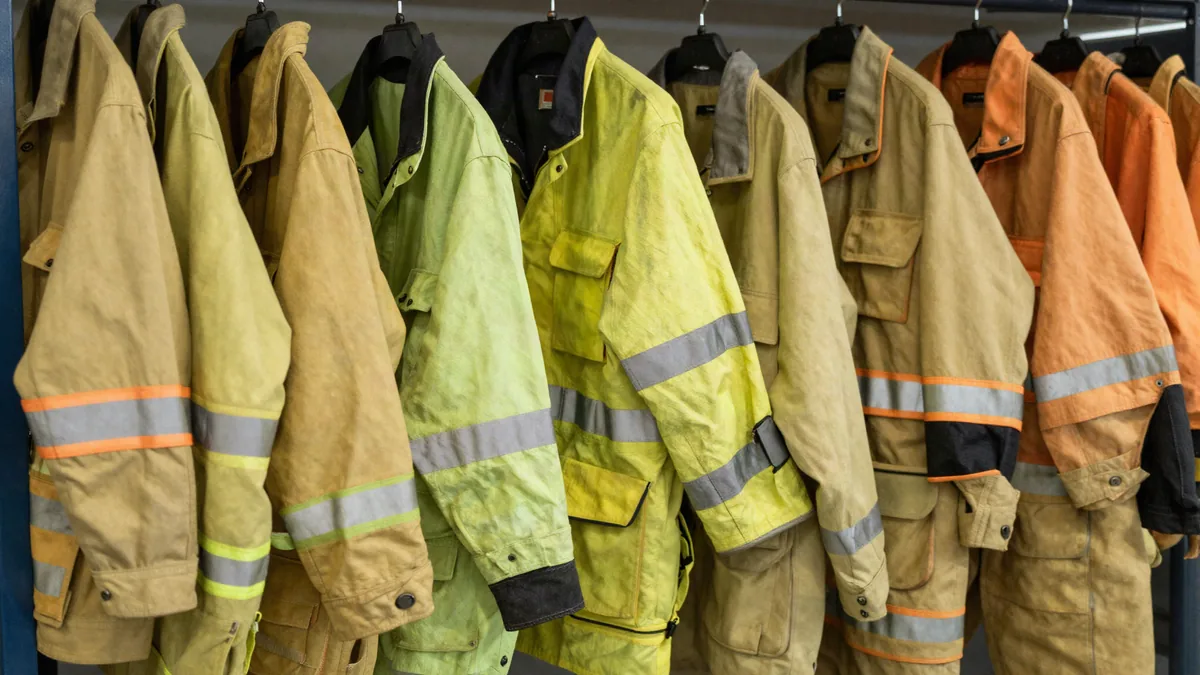
No. Home laundering voids the certification for NFPA 2112 FR workwear and can nullify arc-rated protection required by NFPA 70E. For firefighter turnout gear, NFPA 1851 applies. You need an industrial laundry with a documented program.
How often does Joint Commission inspect linen storage?
Every survey. They make unannounced visits to storage and soiled holding rooms, and they check physical conditions, not just paperwork.
What's the typical pricing model for hospital linen services?
Per pound is common for acute care; per piece is common for surgery. Uniform rental typically runs $4 to $15 per employee per week. The right model depends on your volume and mix.