HLAC Accreditation: What It Covers and Why Hospitals Ask For It
Bottom line: HLAC accreditation covers the entire healthcare linen process, from soil sort to packaging, and hospitals ask for it because it proves your operation meets their infection control standards.
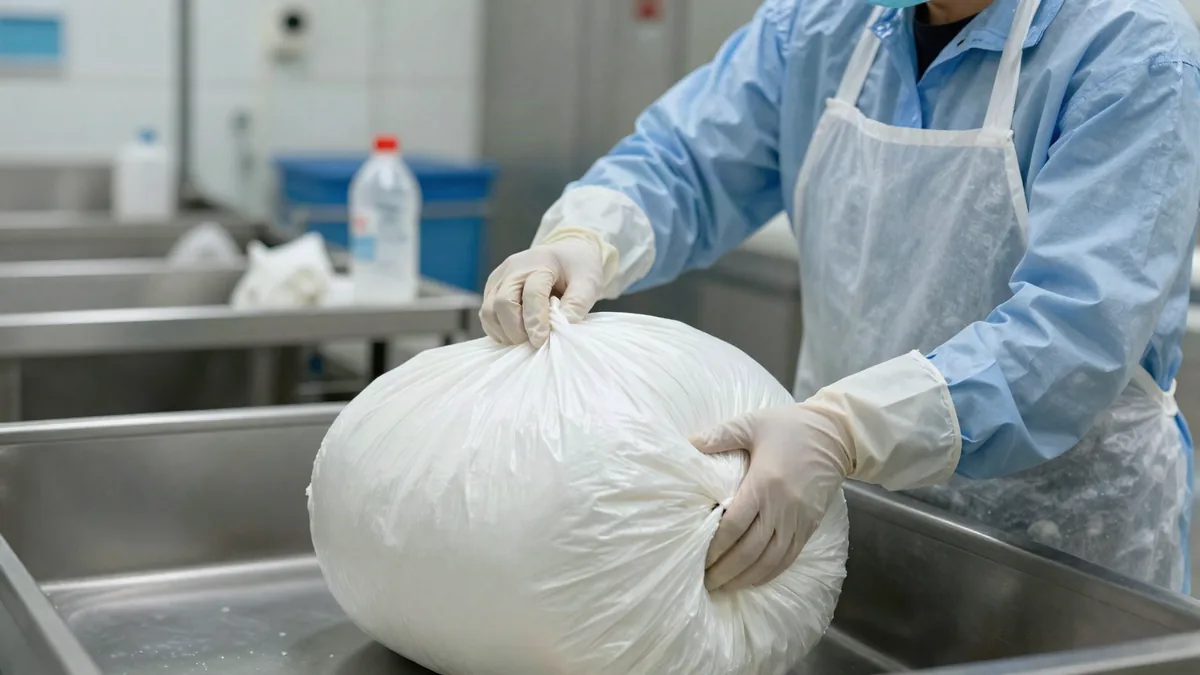
Nobody cares about your ISO 14644 cert when they're buying linen service. I've had three vendors pitch me with cleanroom air particle counts, and each one lost the bid. Hospitals ask for HLAC accreditation because it's the one mark that proves your entire plant, not just one room, meets their infection control standards. HLAC audits every step: soil sort airflow, washer disinfection temperature, barrier cloth, negative pressure, even your delivery carts. I've sat through two audits. They test your pack for microbes and check your maintenance logs. When a vendor says 'accredited,' I ask 'by who?' If they say HLAC, I know they've had real auditors with retractors inside their drains. If they say something else, I thank them for their time. Healthcare Linen Service
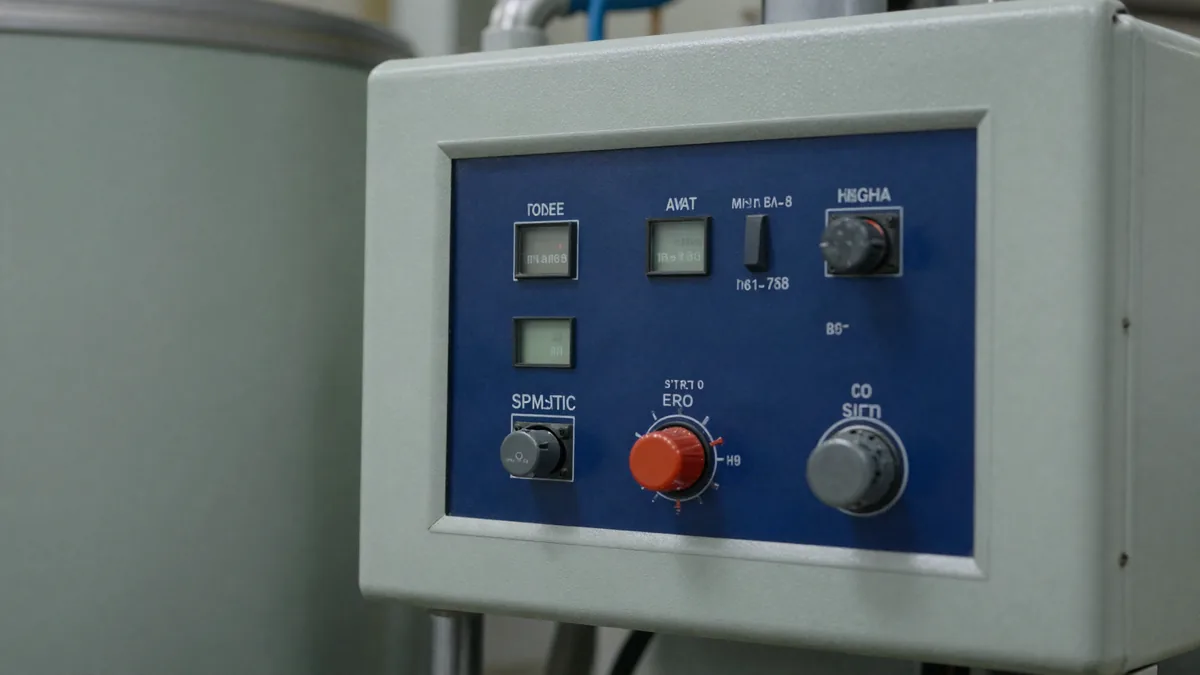
Last Tuesday, I was showing a sales rep our soil sort. He pointed at the airflow monitor on the wall and said, 'We're ISO 14644 certified, you know.' I nodded. That's a cleanroom standard, not healthcare laundry. He didn't get the contract.
That moment sums up the confusion. Laundry certifications aren't all equal. You've got ISO 14644 for air particulates, OSHA 1910.1030 for bloodborne pathogens, and then you've got the two marks that actually matter for hospital linen: HLAC accreditation and TRSA Hygienically Clean. I'm Marcus, and I manage linen for a four-hospital system. When a vendor claims 'accredited,' I immediately ask two words: 'You mean?'
HLAC stands for Healthcare Laundry Accreditation Council. It's a nonprofit that sets a baseline for healthcare laundries. It's voluntary — but if you want to sell to us, it's not optional. And it's not a one-time sticker you slap on your fleet. It's a full on-site audit every three years.
What HLAC accreditation actually covers
HLAC auditors look at the whole flow, from soil sort to clean pack. They check air pressure differentials between rooms, ventilation rates, water temperatures, chemical injection systems, and storage conditions. They'll ask to see your written procedures for isolating contaminated linen, sorting it, and handling surgical or isolation linen. They also review employee training records, especially around bloodborne pathogen exposure control per OSHA 1910.1030.
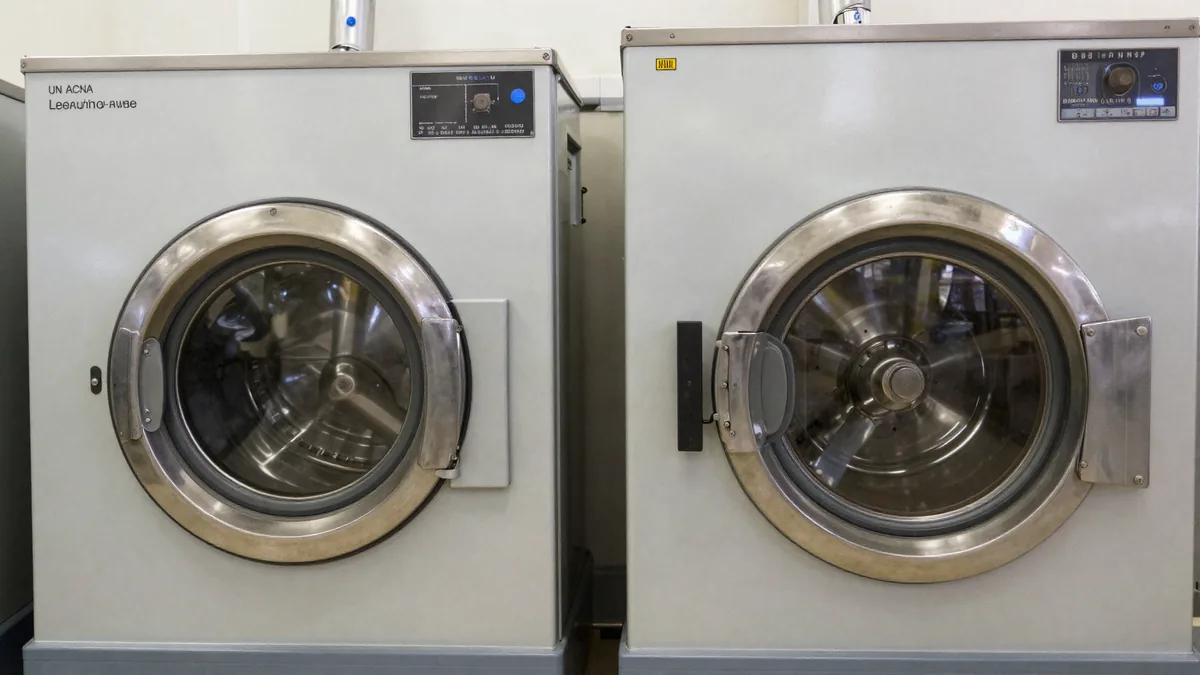
But it's not about the equipment. You can have a brand new Milnor tunnel washer and still fail. You can have older 'igloo' batch washers and pass if your process is disciplined. The audit drills down into your documentation. You need to show a chain of custody for every load: soiled tag, wash formula, temperature log, pH test, moisture retention check, and pack date.
And be clear on this: HLAC accreditation is not a claim that your linen is sterile. It's a process standard. It says you've met a transparent, third-party benchmark for how you manage healthcare textiles. For us, that's a threshold we can work with.
Why hospitals ask for it
We ask for HLAC because we can't be inside every plant every day. We operate four hospitals, and each has its own linen inventory. If a vendor's plant is HLAC accredited, I know someone else besides me has walked the floor with a critical eye. That's worth a lot.
And accreditation helps downstream. Our own inspectors from The Joint Commission will ask how we vet vendors. We show them the HLAC certificate. It doesn't automatically pass anything, but it shows we're not just taking the sales rep's word.
Here's a digression. When we switched from cotton to 60/40 polycotton blend sheets, the wash formula changed completely. We had to recalibrate our chemical injection and cycle times. That's a whole other story, but the point is: fabric sourcing changes your entire process. A good accreditation helps you catch those changes early because you're forced to re-evaluate procedures.
So when we issue a Request for Proposal, we write in 'HLAC or TRSA Hygienically Clean' as a requirement. It's non-negotiable. If a plant doesn't have one, they're bidding from behind.
How HLAC compares to TRSA Hygienically Clean
The two main credentials you'll see in this space are HLAC and TRSA's Hygienically Clean. Both are legitimate, third-party programs. Many hospitals accept either. We do. But they're not identical.
HLAC's standard was written specifically for healthcare laundry. It's run by a council of hospital laundry managers and laundry industry veterans. TRSA's Hygienically Clean is also healthcare-focused, but it comes out of the linen supply industry's trade association. Both programs require documentation, on-site inspection, and some form of microbial testing of finished goods. The emphasis is different — HLAC leans on facility and process, Hygienically Clean leans on product sampling. Neither is 'better' across the board. It depends on the plant and how they operate.
That said, there's a practical difference. In some regions, you'll see plants with TRSA but not HLAC, or vice versa. When we screen vendors, we ask for whichever they hold. If they hold neither, they're not eligible.
What the audit day looks like
The HLAC surveyor shows up with little warning — maybe a day's notice, sometimes not even that. They put on a cleanroom frock, hair net, and shoe covers, and they walk the plant in order of flow. You'll start in the soil sort area, then move to the wash floor, through the drying and finishing line, and into the clean packing room.
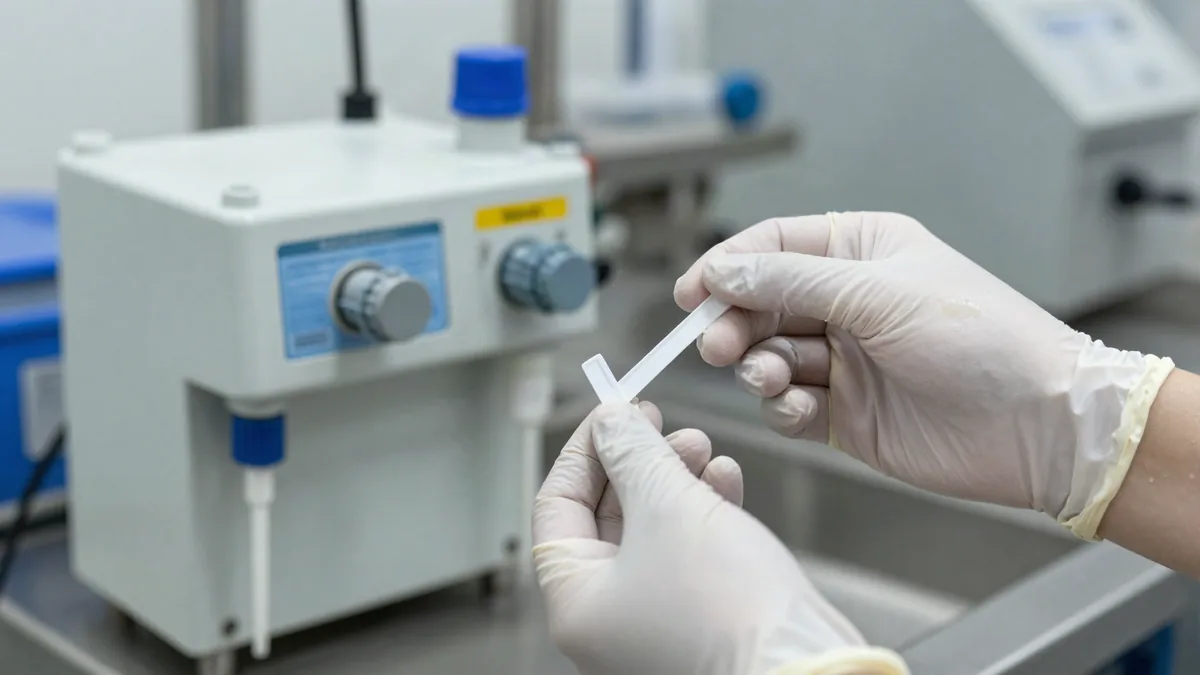
They'll pull your air pressure readings and compare them to the documented ranges. They'll check your thermometers against their own. They'll ask to see the wash sheet for the load that's currently in the tunnel. Then they'll look at your chemical tanks — is the label legible? Is the dilution calibrated?
And then comes the part that trips plants up: personnel files. They'll ask about your bloodborne pathogen training, hepatitis B vaccination offers, and exposure response plans. Many operations have a spotless physical plant but fail on documentation. I've seen it happen to a laundry that otherwise seemed impressive.
How to evaluate your laundry provider
If you're on the buyer side, make the vendor show you the certificate before the tour. Read the date. Accreditation is a three-year cycle, so if it's from 2021 and it's now 2024, ask about their current status. Also ask if they've had any conditional findings in the latest survey. A good vendor will tell you.
Then understand how you're paying. Uniform rental commonly runs $4 to $15 per employee per week, depending on the garments and turnover. Linen can be billed per pound, per piece, or per patient day. Sales reps love quoting per pound because it looks low. Always ask for all-in costs, including consumables, delivery, and processing surcharges.
And watch the contract structure. I've seen five-year agreements with automatic renewals and volume guarantees that make it nearly impossible to leave. We prefer three years with a six-month notice. That gives both sides a fair shot.
Laundry Certifications Compared for Healthcare
| Certification | Covers | Audit process | Hospital acceptance |
|---|---|---|---|
| HLAC | Full healthcare linen lifecycle: soil sort to packaging | Annual on-site by HLAC-trained inspector; microbial testing of finished packs | Required by major hospital groups; often specified in RFPs |
| TRSA Hygienically Clean | Full healthcare linen lifecycle; facility hygiene | Annual on-site; monthly bacteria samples from finished linen | Accepted by many hospitals; sometimes accepted in lieu of HLAC |
| ISO 14644 | Airborne particulate cleanliness in cleanrooms only | Periodic air particle count tests | Rarely seen in laundry contracts; not a healthcare linen standard |
| OSHA 1910.1030 | Employee bloodborne pathogen protection | OSHA compliance inspections | Law mandate, but not a hygienic certification for linen |
Frequently Asked Questions
What does HLAC accreditation actually certify?
HLAC accredits a laundry plant's ability to process healthcare textiles safely and consistently. It does not certify that every piece of linen is sterile. It means the plant meets documented standards for facility, process, and documentation, verified by a third-party survey every three years.
Can a hospital use a laundry without HLAC or TRSA Hygienically Clean accreditation?
Yes, but many hospitals, including ours, require one of the two as a vendor prerequisite. Without it, you might still get local or regional contracts, but you'll be excluded from many larger healthcare systems.
How long does HLAC accreditation last?
Three years. But there are also annual monitoring requirements. Some plants have interim checks or self-audits. The key is to ask for the certificate date and any findings.
Is ISO 14644 the same as HLAC?
No. ISO 14644 relates to cleanroom air purity, not to commercial laundry processes. If a vendor touts ISO 14644 as their healthcare credential, ask for HLAC or TRSA evidence instead.