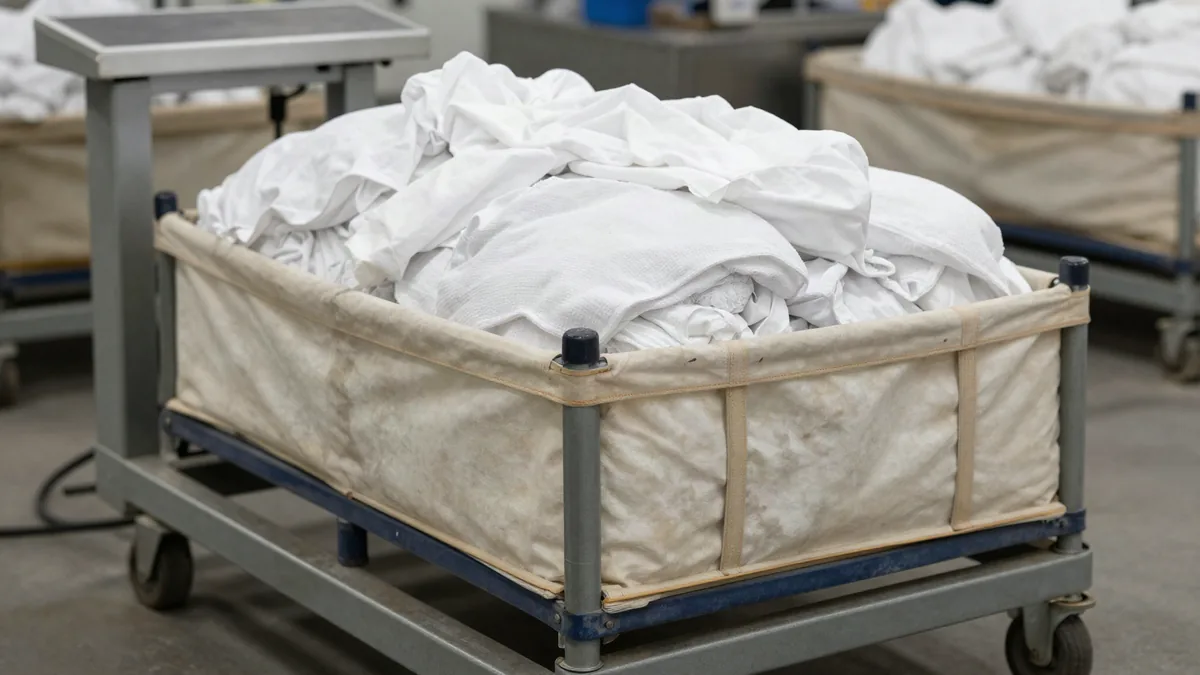
Commercial Laundry Service Cost: What US Businesses Actually Pay
Bottom line: Most US businesses pay between $0.80 and $2.50 per pound for commercial laundry, depending on volume, soil level, and whether delivery is included. Per-piece and flat-rate deals can beat that, but always audit the surcharges.
That customer in Tulsa was paying $1.12 a pound for shop towels, but the real killer was a 15 percent surcharge for 'heavy soil' that kicked in whenever the towels had more than a certain amount of grease. I've been running a 42-million-pound-a-year plant for nineteen years, and I can tell you the cheapest per-pound price is often the most expensive per-account price. I once watched a hotel chain sign a flat rate contract and then get hammered with a monthly fuel surcharge that added 9 percent. The only way to compare honestly is to ask for a full month of invoices, not the price card. Restaurant Linen Service | Hotel Laundry Service
I remember standing on the loading dock in Tulsa one sticky August morning, watching a forty-foot trailer back in with three thousand pounds of greasy shop towels. The plant across town had just raised its price by four cents a pound, and the customer was threatening to jump. He asked me straight up: what does commercial laundry service actually cost?
Here's the thing. There's no single number. The honest answer depends on how you're measured, what you're washing, and what the plant includes in that sticker price. In my nineteen years running a 42-million-pound-a-year operation, I quoted enough accounts to know the question is always the same, but the answer never is.
Let's break it down the way I used to do it at the sales table.
The Three Pricing Models You'll Actually See
Commercial launderers bill one of three ways: per pound, per piece, or per employee. Your industry usually decides which one lands on your invoice.
Restaurants and bars with high-volume napkins, tablecloths, and bar mops almost always get per-pound pricing. The plant weighs the soiled goods on the way in, you pay for the weight. A steakhouse might pay a specific rate per pound; a quick-service place with greasier goods pays more because the wash chemistry costs more. (I once told a barbecue joint owner that his sauce was costing him more in chems than in product. He didn't laugh.)
For uniforms, per-piece is common. That's a set price for every work shirt, pair of pants, or shop coat. But the model that's easiest to budget is per employee per week. That's what most uniform rental accounts use. In my experience, uniform rental commonly runs $4 to $15 per employee per week, depending on how often they're changed, the industry, and whether the garments are flame-resistant or not.
Then there's the hybrid: a base weekly fee plus overages. That's where the fine print lives. We'll get to that.
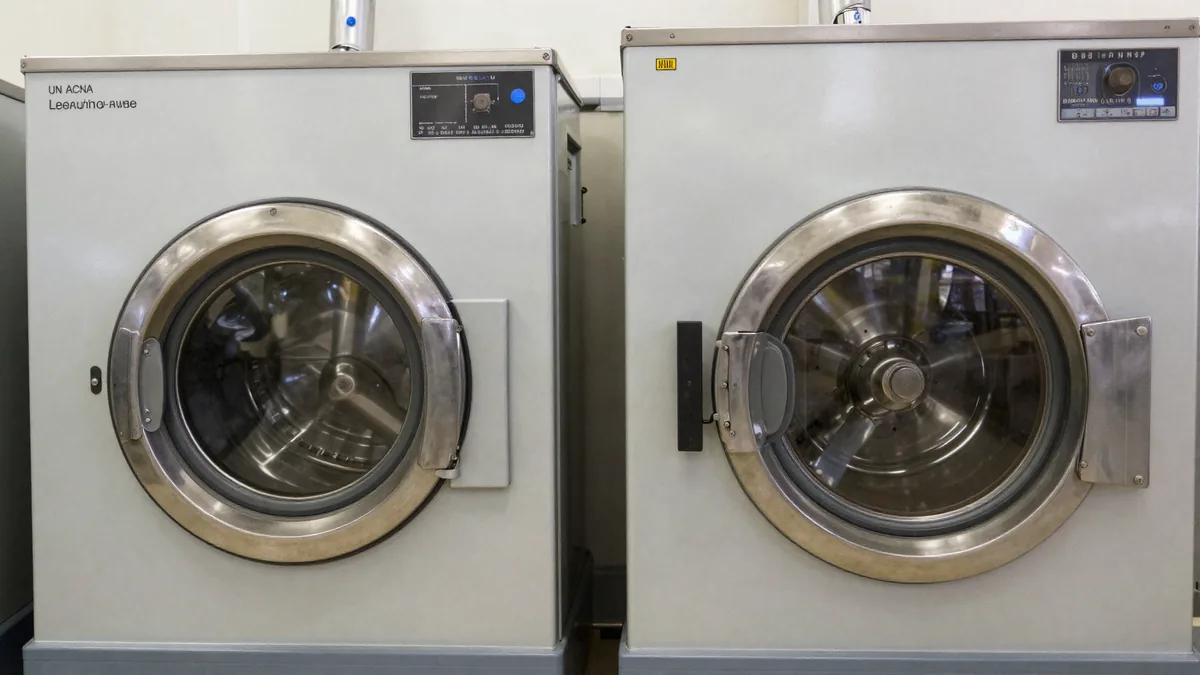
What Drives the Price Per Pound
People think the cost is all about water and soap. It's not. It's about what's on the fabric. A pound of clean linen weighs a pound. A pound of greasy floor mats might be 60 percent dirt and oil by weight. You're paying the plant to take that away.
Here's a list of what I had to calculate on every quote: water heating, wastewater treatment, chemicals at the right dosages for the soil load, labor to sort and inspect, conveyor and ironer time, packaging, fuel, and trucking. Then add overhead — insurance, rent, compliance testing, and the people who fix the washers when they break at two in the morning.
That's why you can't compare one plant's per-pound rate to another's without knowing what they're including. A lower rate often just means you're buying a different package. Ask what's excluded, not just what's included.
Rental vs. Processing: What You're Paying For
When you see 'commercial laundry service' on a contract, it can mean two very different things. One is route service: we pick up your soiled goods, wash them, and return your own goods. The other is rental: we own the uniforms, towels, mats, or linens, and we replace them when they wear out.
Rental pricing feels higher at first, but it smooths out over a year. You never have to buy $400 worth of flame-resistant shirts all at once. And an industrial plant with the right equipment and chemistry is the only place that can maintain FR ratings to NFPA 2112 and NFPA 70E. Home washing voids the certification. I can't say that clearly enough.
In healthcare and the cleanroom side, certification matters too. Hospitals look for TRSA Hygienically Clean or HLAC accreditation. Labs working toward ISO 14644 need specific particulate-control processes. If you're in those industries, you're not paying for laundry — you're paying for compliance. Don't shop on price alone.

The Contract Traps That Inflate Your Bill
The most common mistake I saw from customers wasn't poor quality. It was signing a contract without understanding how the overage calculation works. You agree to a weekly base of, say, 1,000 pounds. One busy weekend pushes you to 1,100. That extra hundred might be billed at a penalty rate, sometimes 50 percent higher. And if you dip below the base, you still pay for 1,000.
Some contracts have a stop fee: you can't cancel without a substantial charge. Others have a fuel surcharge that adjusts without cap. I'm not naming companies here — every one of us had some version of this. My advice is to read the contract for the 'other charges' section, and if a sales rep won't walk you through it line by line, that tells you something.
But here's the flip side: plants also get burned by customers who understate their soil weight, demand extra deliveries, or forget to keep their garments in the rotation. So a contract isn't just protecting the laundry; it's protecting a genuinely reliable price for you. The trick is to make the terms match your actual pattern.
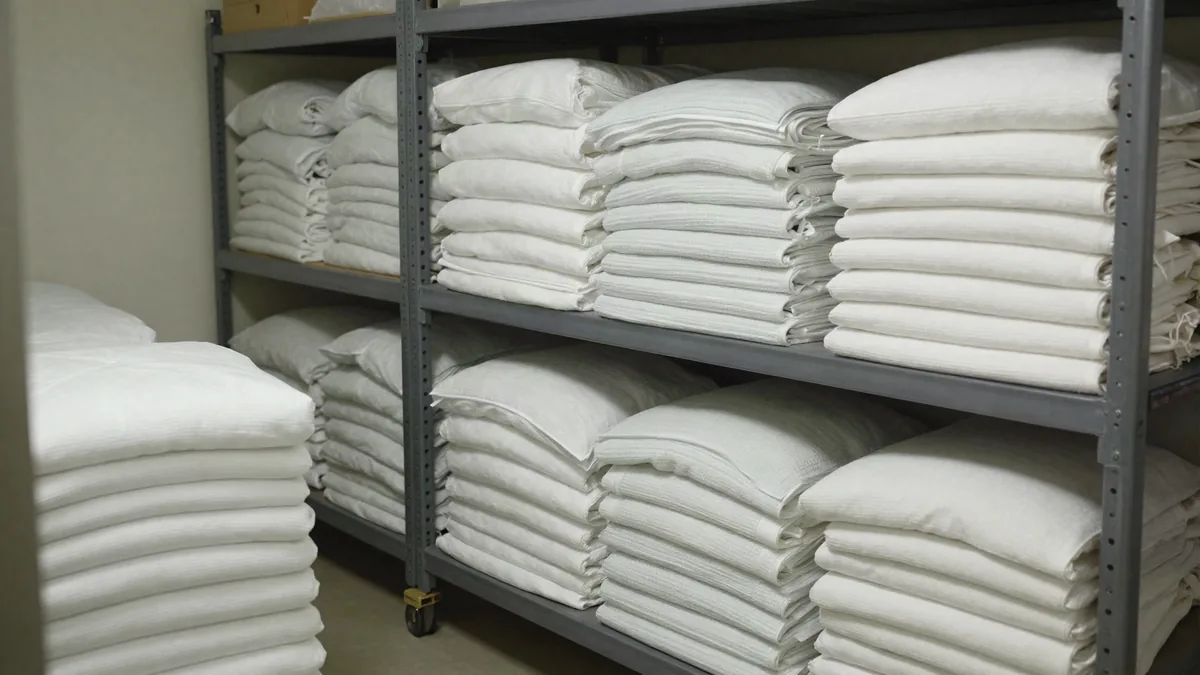
How to Get a Straight Answer on Pricing
First, know your numbers. Weigh a week of soiled goods if you can. Count your employees in the program. Note how many days per week you need service. Then get three quotes from different types of plants — a national route operator and a solid independent one.
Ask every provider for a sample invoice, not just a rate sheet. You want to see how they charge for overages, taxes, fuel, and any additional line items. And ask how they handle repairs or replacements for rental items. I used to tell customers: if you can't understand the bill on a single page, you're not in a service, you're in a maze.
And one last thing: don't anchor on the cheapest rate. Anchor on the total cost you'll actually pay with your volume and usage. I've seen account managers save a hundred dollars a month in per-pound rate and lose it all in overage fees. The real price is the one you pay after the truck leaves.
Commercial Laundry Cost Models Compared
| Pricing Model | Typical Rate Range | Best For | Watch Out |
|---|---|---|---|
| Per Pound | $0.80 - $2.50 | Shop towels, bulk uniforms | Add-ons for stains or heavy soil |
| Per Piece | $0.20 - $0.75 | Hotel linens, napkins | Sorting and counting disputes |
| Flat Rate per Week | $500 - $2,500 | Restaurants with predictable volume | Fuel surcharges and overage clauses |
| Per Bag or Cart | $25 - $100 per load | Small operations | Weight limits per bag |
Frequently Asked Questions
What is the average cost of commercial laundry service?
There's no one average because launderers bill per pound, per piece, or per employee. For uniform rental, a common range is $4–15 per employee per week. For per-pound accounts, your specific soil level and volume drive the rate.
Why did my commercial laundry bill go up?
Likely causes: fuel surcharges, chemical costs, or you exceeded your contracted weight and hit overage rates. Also, if the plant added a compliance charge for certifications like TRSA Hygienically Clean or HLAC, that shows up separately.
Can I save money by washing FR uniforms at home?
No. Home washing voids the garment's FR certification and may violate your employer's safety compliance with NFPA 2112 or NFPA 70E. Industrial laundering is part of the PPE system, not an extra.
How do I compare commercial laundry quotes?
Ask each provider for a detailed sample invoice with your projected weight or employee count. Compare total monthly cost, not price per pound. Check overage fees, fuel charges, and contract length. That's the real number.