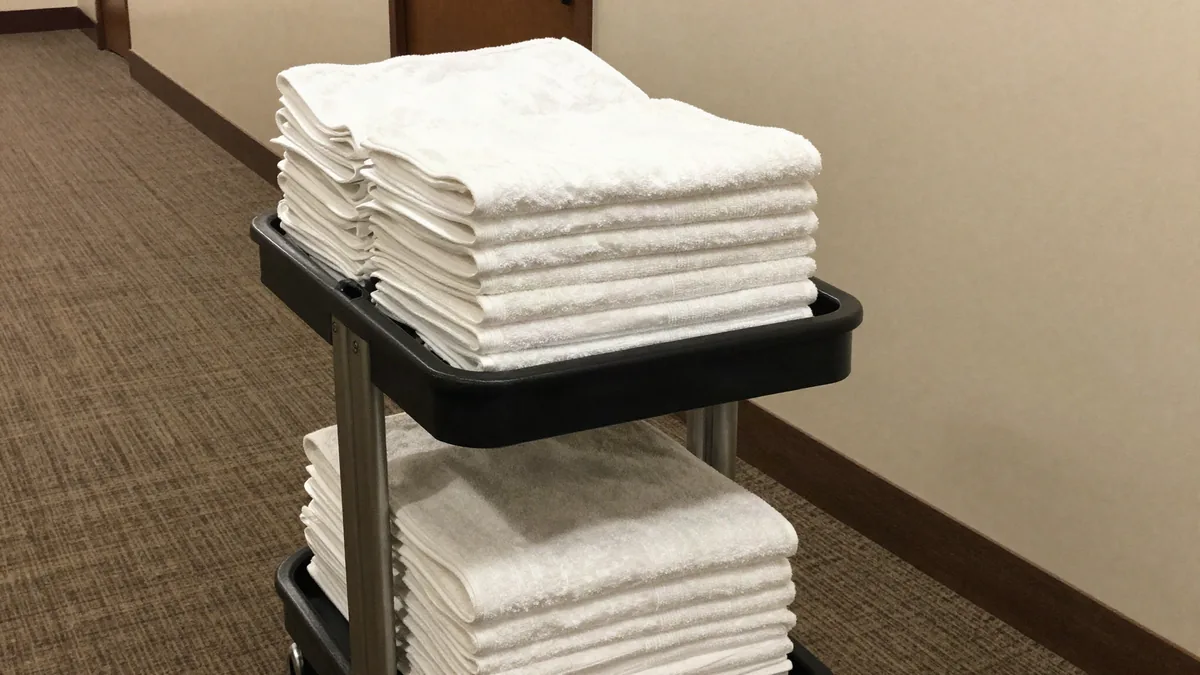
Restaurant Linen Service: Napkins, Tablecloths, Aprons and Chef Coats
Bottom line: Restaurant linen service is a scheduled loop: you rent or own linens, pay per piece or per pound, and the vendor launders and replaces rented items, so costs hinge on par level, shrinkage, and overage fees.
If you are reading this because you are about to sign your first linen contract, stop. I have watched line cooks throw stained napkins in the trash because nobody told them the vendor charges for every missing piece. I once signed a contract with a 12% overage allowance and ended up paying for 40 chef coats that were never returned. The real cost of a linen service is not the invoice line; it is the par level you set and the discipline of your staff in counting. I have also seen a manager double a par because a delivery was late, then pay overage fees on the surplus. Know your daily usage, washer capacity, and peak times before you ask for a quote. Restaurant Linen Service
The first linen contract I signed was a mistake. I took the lowest number from a national company without visiting the plant or asking about their soil report. Six weeks in, a barback found a jagged piece of glass folded into a clean bar mop. We served a 40-top an hour later and didn't stop to inspect every mop. That mistake cost us a customer's trust and a $140 comp, and it taught me never to buy a linen service on price alone.
Since then I've opened 11 kitchens, signed eight linen contracts, and cancelled three of them. I've seen Aramark, Cintas, and a regional independent all do genuinely good work — and all do infuriating things depending on the plant manager on the route. Restaurant linen service is an unglamorous business, but it runs on trust. The truck has to arrive, the right man has to be in the right building, and the fabric has to be clean enough to touch someone's face.
How Linen Service Pricing Works
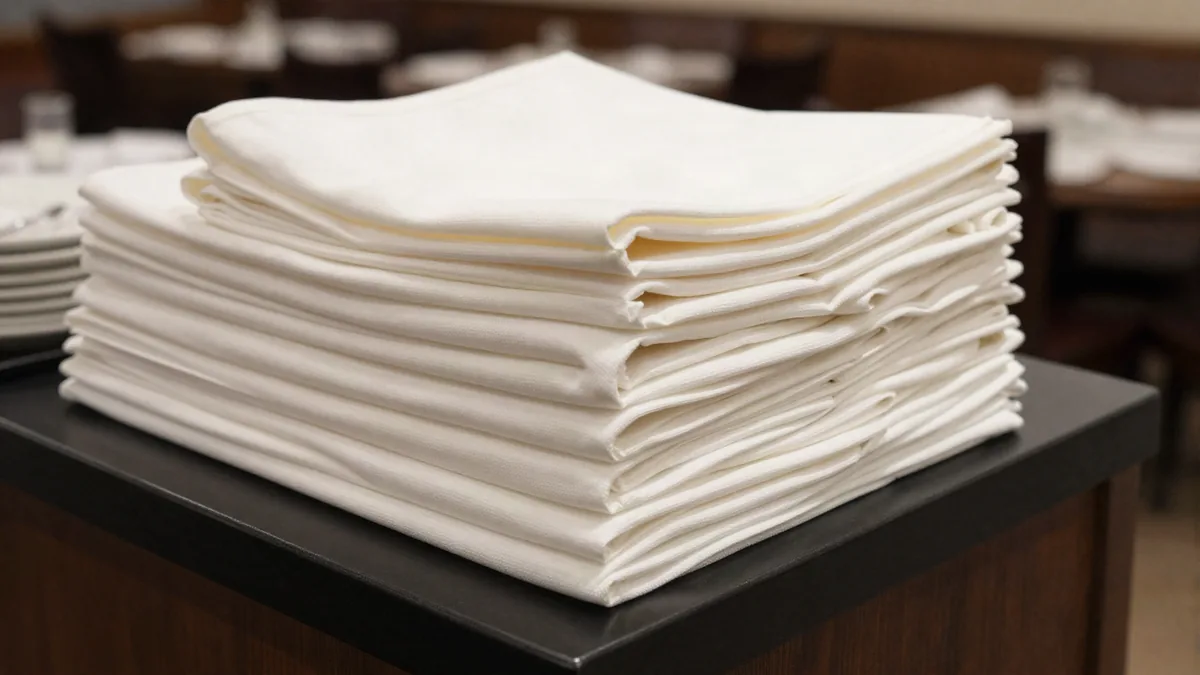
Ninety percent of my linen invoices come down to one of three pricing models: per piece, per pound, or per employee per week. Tablecloths and napkins are usually per piece. A 20x20 dinner napkin runs a few pennies, but the cotton quality and finishing matter. Aprons and chef coats are often per pound because they're all twisted together in a poly bag, and the billing is based on the dry weight you send back. Uniform rental — coats, pants, aprons — is almost always a weekly rate per employee, call it $4 to $15 depending on your volume and the region.
Don't expect the invoice to show you a simple per-piece number. You'll see line items like 'napkin processing – 100,' 'delivery surcharge,' 'fuel fee,' and possibly a 'fabric reserve' charge that you've never heard of in the contract. I've had a $400 monthly bill that used to be $290 after a plant added a 'pickup fee' and 'sort fee.' It's legal and it's real.
You need to ask for the tariff schedule before you sign, and you need to understand how the weight is calculated. Is the linen weighed at the plant or at the dock? Who calibrates the scale? I've seen a 50-pound bag of aprons billed at 65 pounds because the plant includes the moisture of the truck. Ask the driver to see the scale ticket on the first pickup. That's your baseline.
What the Plant Actually Does
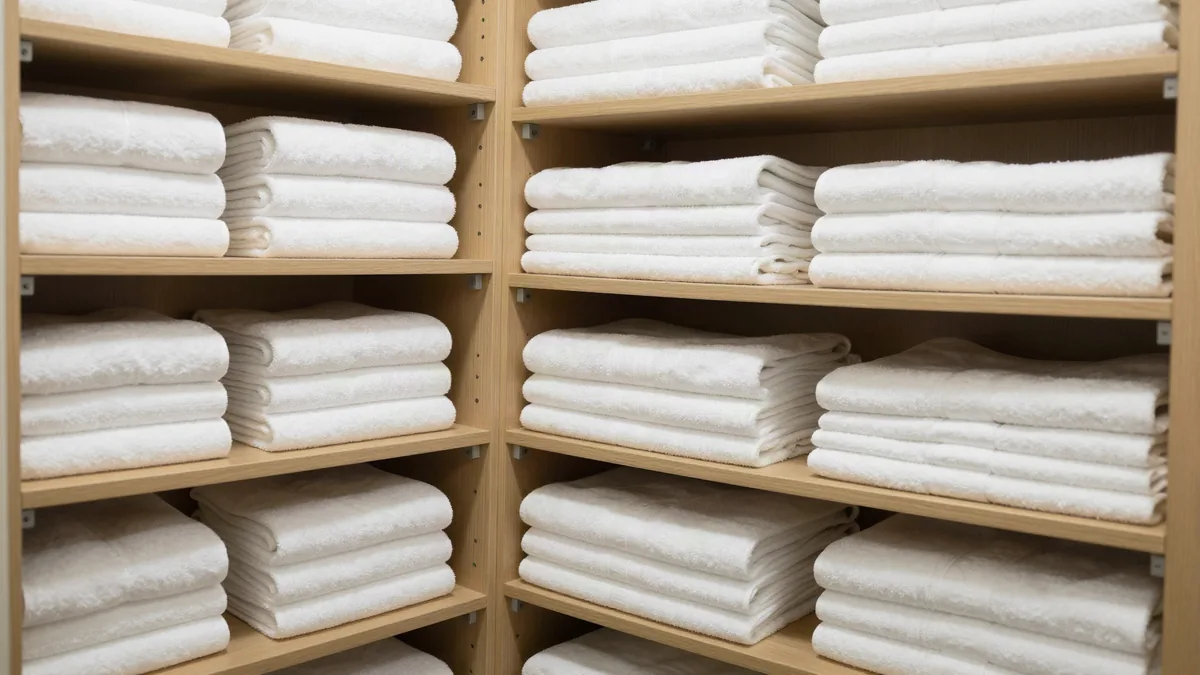
The plant is where the magic happens, and it's also where problems hide. When you visit a linen plant, you're looking for two things: cleanliness and organizational flow. If there's mildew in the corners, if the wash floor smells sour, if the sorters are rushing, that's what your linens are coming out of. The best plants I've used have TRSA Hygienically Clean certification, which is an independent audit for textile services. It's not a restaurant-specific law, but it's the closest thing to a quality standard you'll see on a plant tour. I once saw a Cintas plant that was spotless; I once saw an Aramark plant that was chaos. The difference has nothing to do with the brand and everything to do with the general manager.
Ask about water temperature and chemical feed. For restaurant linens, you want hot wash cycles and proper pH neutralization. The plant should be able to tell you what detergent they use and whether they strip grease separately from starch. If you have a lot of candle wax or tomato-based stains, ask how they handle 're-wash' or 'pull-and-hold.'
And if you do any health-code-sensitive work, understand that industrial laundering is built around process control. OSHA 1910.1030 covers bloodborne pathogens, and that's the standard the plant operates under when they're handling soiled linens. It's not about clinical outcomes; it's about knowing the linen has been processed in a way that kills the bad stuff. I don't need a study to trust the number on the thermometer.
The Hidden Fees and Contract Traps
Read the contract like a landlord wrote it, because they did. Early termination fees are standard. I paid $1,850 to get out of a contract 14 months early because I thought the price was locked. It wasn't. It was a 'fixed price for the first 12 months' and then 'CPI plus 4%.' That's a trap. Ask for a flat rate for the entire term, or at least a cap on increases.
Repair and replacement charges are another quiet drain. A torn chef coat at the button line, a napkin with a hole, a tablecloth with a permanent wine stain — each one gets a charge. They'll call it 'textile repair' or 'replacement fee.' You can push back on the first two, but after that they have you. The other thing is the delivery minimum. My current service charges a $35 truck fee if we don't hit 180 pounds per pickup. For a small cafe that does 120 covers a night, that's the difference between a $290 invoice and a $485 invoice.
Negotiate the route schedule before you sign. Ask for a 'grace period' on linen quality: first 90 days, any stained or damaged item is replaced at no charge. And always put your volume into the contract as an estimate, not a commitment. The plant will plan around it, but if you run out of napkins because your estimate was low, it's on them. Get it in writing that you can flex up to 10% without a rate change.
Specialty Coats and Flame-Resistant Gear
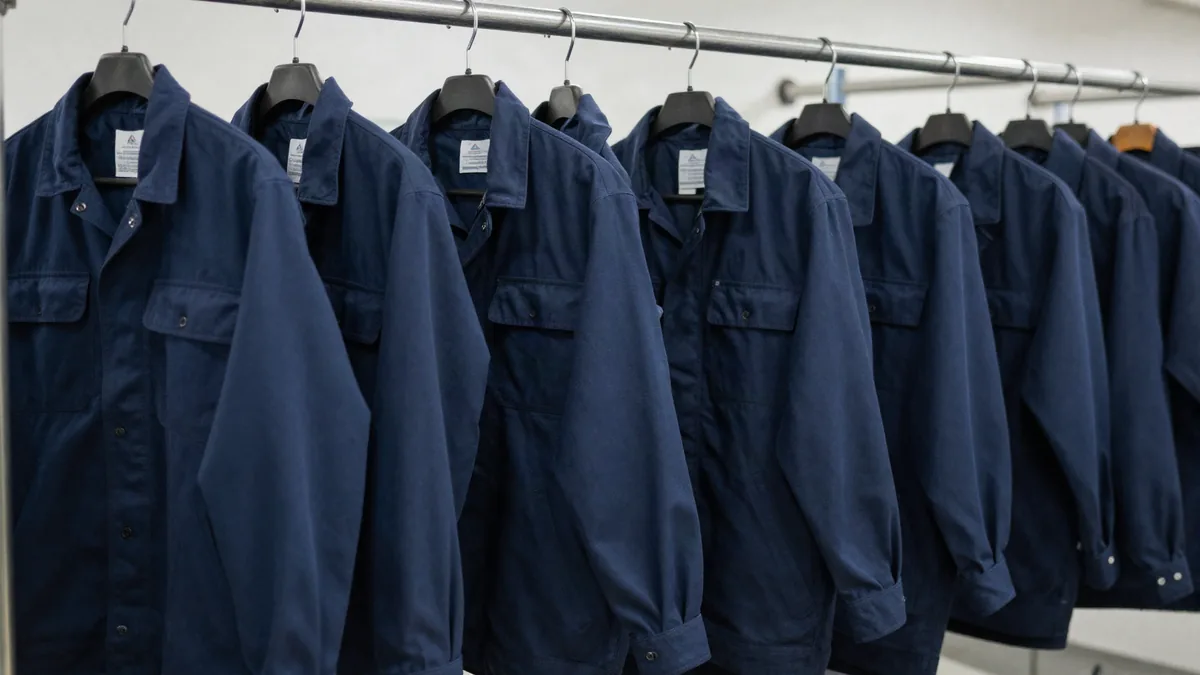
If your kitchen has live-fire cooking or you're in a jurisdiction that requires FR chef coats, this is where industrial laundry isn't just a convenience — it's the whole point. Flame-resistant coats are certified under NFPA 2112, and some electrical work brings in NFPA 70E. That certification is only valid if the garment is laundered according to the manufacturer's instructions. Home laundering cannot maintain that certification. I know that because I got an email from a vendor threatening to void our warranty if I washed a coat at home.
When you sign with a linen service for FR coats, ask the plant if they're certified to handle FR garments. They need to avoid chlorine bleach and certain fabric softeners. The plant will keep a processing log. That's your proof of compliance. I've had a linen company accidentally put a regular chef coat into the FR run once, and they caught it. But the fact that they had a separate bin and a documented process saved everyone.
If you're not an FR house, ignore all of that. Your biggest deal is whether you need starched aprons or pleat-free coats. But know that the same industrial wash process that keeps your whites white is also the process that's legally defensible if a health inspector ever asks.
What I'd Do Differently
I'd never sign a linen contract without a trial month. Many services will do a 30-day trial if you're buying new inventory. I'd insist on a 'no-commitment' month or a reduced rate. The plant manager and the route driver are more important than the logo on the truck. I'd ask to meet the driver on the route before I signed. The driver decides whether you get your 10 extra napkins on a Saturday or whether your pickup gets 'delayed.'
I'd also set a compliance calendar in your manager's schedule. Every month, do a visual inspection of a random stack of napkins and aprons. The goal isn't to catch every stain; it's to keep the plant honest. When I found thin spots in our 50/50 cotton-polyester napkins after nine months, I sent a photo to the GM of the plant and asked for a credit. He said it was normal wear. I pushed and got a 25% credit on that line item. You don't ask, you don't get.
Finally, know your exit. Get the cancellation notice in writing, keep a copy of the contract with the pricing page, and set a reminder 120 days before the term ends. If you miss the window, you're locked in for another year. I missed it once. It cost me $4,300 in unused linen fees. That's the most expensive lesson in this business.
How linen vendors price their service
| Model | How pricing works | What it typically includes | Best for |
|---|---|---|---|
| Full-service rental | Per piece per delivery, about 20 to 30 cents a napkin, $1 to $2 a tablecloth | Laundering, replacement of lost or damaged items, delivery and pickup | High-volume restaurants with no storage space |
| Weight-based laundry | Per pound, about $1.50 to $2.50 for mixed linen | Laundering and delivery only, you must buy and replace your own inventory | Operators with a locked par and low shrinkage |
| Flat monthly contract | Fixed weekly fee based on an agreed par level, often $500 to $1,500 | Laundering, standard delivery schedule, vendor handles counts | Restaurants with consistent covers and managed usage |
| Per-use program | Per item per use, about 40 cents to $1 depending on item | Laundering, pickup, and you pay only for what is used | Event venues and caterers with irregular demand |
Frequently Asked Questions
How much does restaurant linen service cost?
It depends on the model. Table linens are priced per piece, aprons and coats by the pound or per employee per week. Uniform rental typically runs $4 to $15 per employee per week. Ask for a tariff schedule and a 30-day trial.
How often do I need pickup and delivery?
Most restaurants get one or two pickups per week. If you have high volume or limited storage, you may need three. The key is to match pickup frequency to your soiled-linen accumulation, or you'll pay extra truck fees.
What happens if linens are stained or damaged?
Most services charge a per-piece repair or replacement fee for holes, burns, or permanent stains. You can negotiate a 90-day replacement grace period. Always inspect and photograph any stained items before they leave your dock.
Can I wash chef coats at home?
For standard coats, yes, but it's rarely worth it. For flame-resistant coats, no. Home laundering voids the FR certification under NFPA 2112 and NFPA 70E. Use an industrial service that maintains the garment's certification.