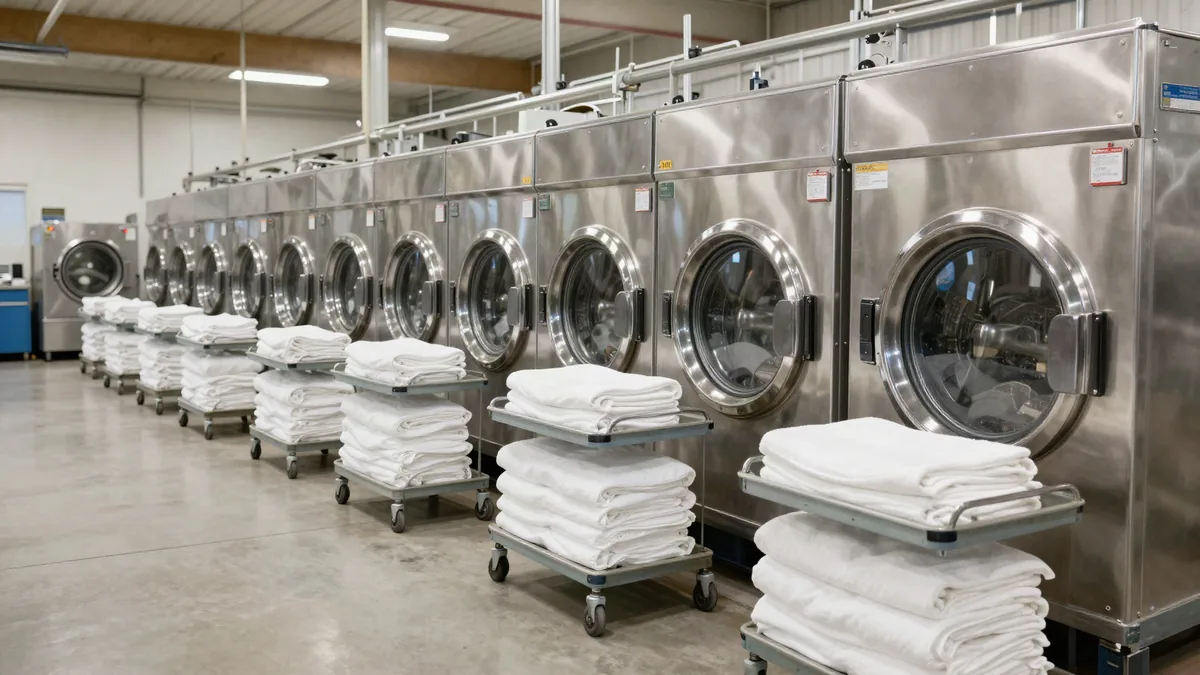
Linen Rental vs Buying Your Own: The Cost-of-Goods Math
Bottom line: For most operations, buying your own linens and laundering in-house costs 25-40% less per use than renting, but only if you have space, water, and labor; otherwise rental wins on consistency and cash flow.
ings fall apart. I once watched a restaurant chain sign a five-year rental contract because the per-pound price came in at $0.98. They didn't read the fine print about the mandatory weekly weight minimum. Their slow winter month still got billed for 8,000 pounds they never used. That single clause cost them an extra $18,000 the first year. The math on rent vs buy only works when you track the total cost per item per use, not just the invoice line. You have to count what you pay for lost tablecloths, the labor to sort and fold, the water and electricity if you wash it yourself, and the opportunity cost of the money tied up in inventory. I would defend that last one daily. Most managers ignore what their capital could be doing elsewhere, and that's exactly why the rental company stays in business. Restaurant Linen Service | Hotel Laundry Service
I still remember the first time I signed a linen rental contract. It was for a 225-seat Italian spot outside Nashville, and the guy from the regional linen company sat across from me, sliding a handwritten quote across the table. 'Per pound,' he said, like that made it simple. It didn't.
Over eleven kitchens, I've signed three linen contracts and killed two early. I've bought my own towels and had them walk off in apron pockets. The question 'linen rental vs buying your own' isn't about which invoice is smaller. It's about what you're actually paying for — and who's on the hook when things go sideways.
Here's what I've learned, the hard way, with real numbers and real contracts. Some of this you can't avoid. Most of it you can.
The Rental Contract's Real Numbers
My first rental contract was straightforward on paper: twelve cents a pound for bar mops, table linens, chef coats. Then the add-ons started. A weekly delivery fee. A fuel surcharge that moved with diesel. A 'small order' fee because we didn't hit a minimum weight on slow weeks. The invoice ended up fifteen to twenty percent higher than the quote, every single week.
You're not just paying for the linen. You're paying for the plant's overhead, the truck route, and the salesperson's commission. Call it anything you want. Per pound, per piece, per employee. The range is wide. Uniform rental, for example, commonly runs $4 to $15 per employee per week. That's a well-worn range. But for towels, it's usually per pound or per piece. And whatever the price is, it's never the final price.
The contract is the real invoice. Look at the auto-renewal clause, the price escalation, the lost-linen replacement terms. My last contract had a 25% built-in price increase at the start of year two. I didn't catch it until I got the bill. You'd make the same mistake. That's what they count on.
What Buying Your Own Really Costs
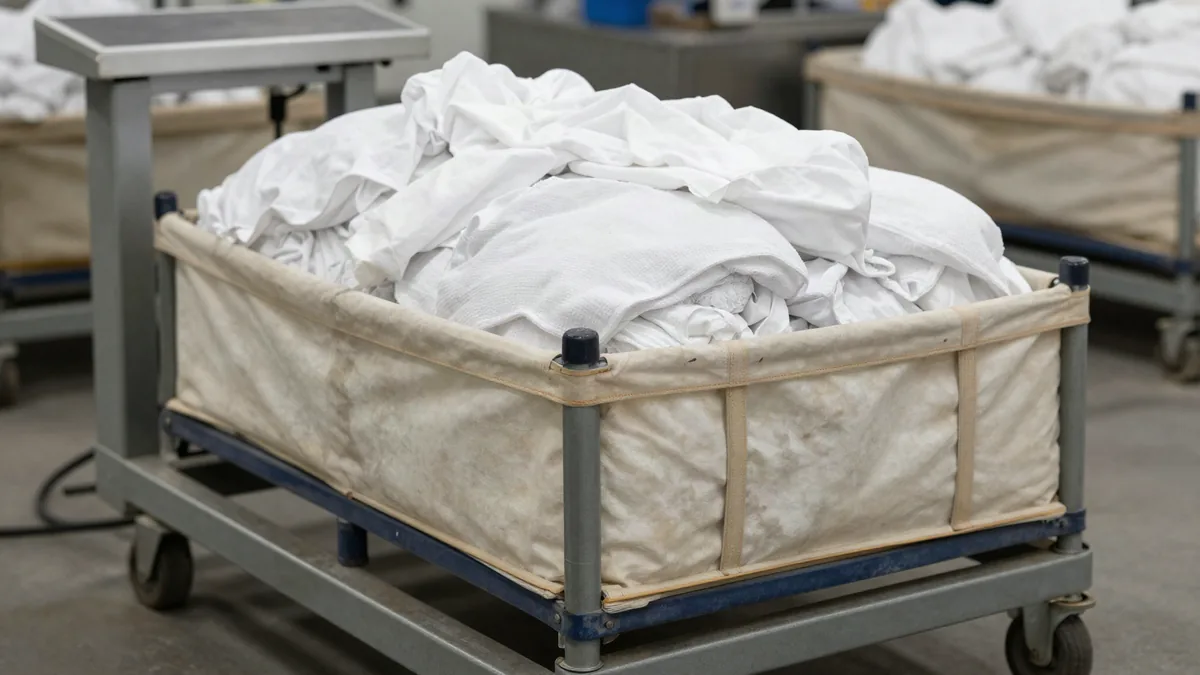
Buying your own bar mops is dirt cheap. A box of 50 from a restaurant supply place will run you $30 to $50, so call it a buck each, give or take. But that's just the starting cost. You're going to spend the real money on the loads and the losses.
Your dishwasher will run them through the machine at 180 degrees, but they'll come out stained, and the cooks will use them to grab hot handles and wipe off grease. You'll throw away a handful every week. In a busy kitchen, I'd plan on replacing ten percent of your stock every month. On a $60 inventory, that's $6 a month. But then you add your labor, the detergent, the water heater gas, and the extra load on your machine. Your cost per towel is no longer a buck. It's three, maybe five, depending on your utility rates and how many you lose.
The real advantage is control. No one's going to ding you for a missing napkin. You replace what you need when you need it. And if your chef decides he wants a different color, you don't ask anyone's permission. But you're also the one who has to manage the inventory and deal with the inevitable 'somebody took it home' shrink.
One aside: if you ever run a kitchen attached to an industrial site, or anywhere where FR-rated uniforms are required, buying your own doesn't work. You can't just throw FR coveralls in your own washer and call it good. NFPA 2112 and NFPA 70E call for industrial laundering to maintain the certification. Home washing breaks it. So that's a rental-for-life situation. But that's not your typical restaurant.
The Hidden Line Items
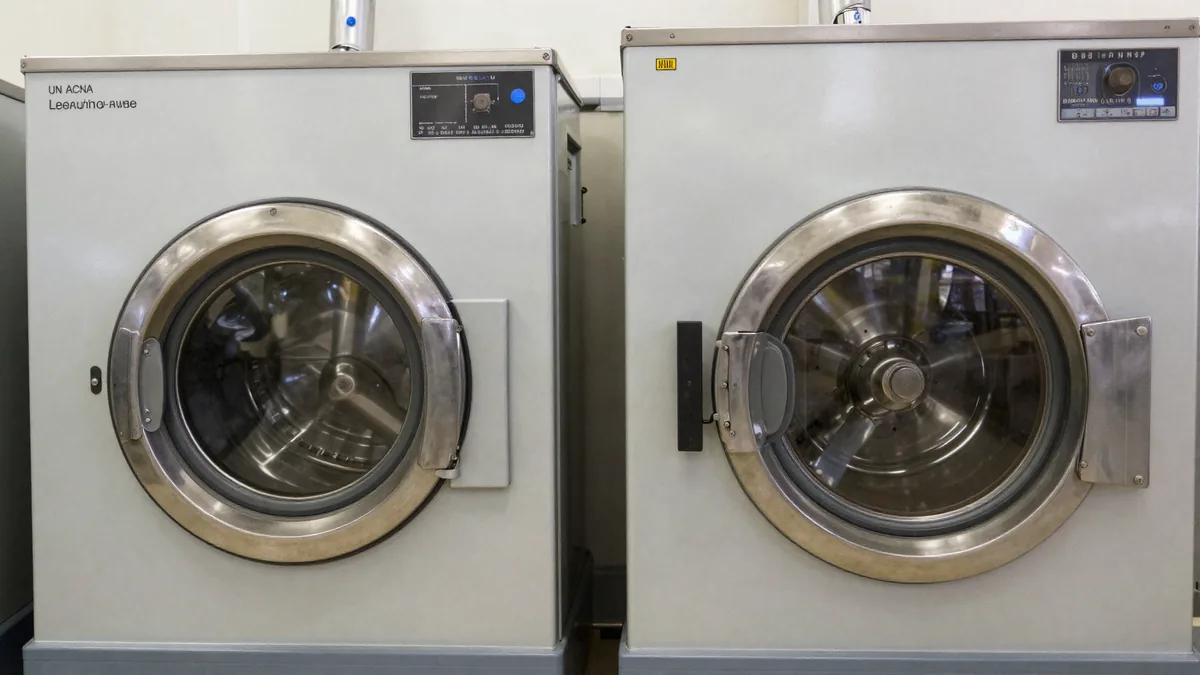
Let's talk about the things nobody puts on the quote. The linen rental company will tell you they pick up and deliver. That's true. But you're paying for the driver's time, the fuel, and the route density. And you're paying for the plant's water and energy. I once saw a $0.02 per pound energy surcharge that stayed on the invoice for three years after natural gas prices dropped. Nobody adjusts it down.
Then there's the lost-linen fee. You're renting 500 bar mops, but you only get 480 back. The driver scans what he picks up, and you get billed for the difference at the full replacement cost, which is way more than you'd pay if you bought them yourself. One contract I saw charged $3.50 per lost towel. They cost about a buck. Read that again.
And you have to pay for the weekly pickup whether you need it or not. Some weeks you might have two loads. Some weeks you might have half a load. Same fee. That's the model.
When Rental Makes Sense (And When It Doesn't)
If you're running a white-tablecloth place with fitted tablecloths, or a healthcare cafeteria that needs to meet hygienic standards, rent. Fitted linens are a pain to iron, and the volume is heavy. And if you're in a patient-facing setting, you want a laundry with TRSA Hygienically Clean certification or HLAC accreditation. That's a process standard, not a clinical claim, but it's the kind of thing your health inspector cares about.
For a casual place with bar mops and aprons, buy your own. You don't need the certifications, and you're not ironing anything. The math is never a single number. It depends on your local plant and your laundry habits. But over a year, I've seen rental costs quietly eat up a margin that owning your own would have saved. The bigger saving, though, is the headache. No driver to schedule. No phone tag over a missing order. No surprise surcharges.
The line shifts when you get big enough to need storage and volume. If you're running a multi-thousand-pound-a-week operation, a rental company might be able to give you a price you can't beat. But for most independent restaurants, I'd rather own the sink than be married to the rental company.
The Math That Actually Matters
So here's the way I actually do the math. Take the total invoice from your rental company for a month. Include everything — the per-pound charge, the service fee, the delivery fee, the surcharges, the lost-linen fees. Divide that by the number of pieces you're using. That's your cost per piece.
Now, for buying your own: figure your monthly cost of owning. That's the amortized purchase price, the utility cost of the loads, the detergent, the labor to fold and sort, and the replacement expense. Divide that by the number of pieces you use in a month. Compare. It's not a one-week calculation. It's a five-year decision.
Don't forget the cost of your own time. If you're the GM, and you're spending two hours a week counting towels, that's an hour you're not on the floor. Rental companies include the logistics. That's part of what you pay for. I've made both work. But I've only ever signed a rental contract when I had no other choice. When a hotel or a corporate client required a certain image, or when the volume justified it. Otherwise, buy the towels. You'll always know where they are. And if you lose one, it's nobody's fault but your own.
Linen Rental vs Buying: Cost-of-Goods Comparison
| Option | Upfront Cost | Cost per Use | Hidden Gotchas | Best Fit |
|---|---|---|---|---|
| Full-service rental | $0 | $0.80-$1.20 per lb | Overage fees, minimum weights, replacement surcharges | Hotels with fluctuating occupancy |
| Buy and launder in-house | $25k-$60k inventory | $0.25-$0.45 per lb | Machine maintenance, water and energy, labor turnover | High-volume steady operations |
| Buy and outsource washing | $25k-$60k inventory | $0.65-$0.90 per lb | Transport costs, loss and damage, invoice complexity | Restaurants with limited on-site space |
Frequently Asked Questions
Is it cheaper to rent linen or buy your own?
For a typical independent restaurant, buying your own bar mops and aprons is usually cheaper over a year. But rent can make sense for high-end tablecloths, uniform programs, or when you don't have laundry capacity. Do the math with all fees included.
What are the hidden costs of linen rental?
Delivery fees, fuel surcharges, small-order fees, lost-linen replacement, and auto-renewal price escalators. Always read the contract and track every line item on the invoice.
Can I wash FR-rated uniforms myself?
No. Home laundering does not maintain FR certification. Standards like NFPA 2112 require industrial laundering to keep the protective properties intact.
What certifications should a commercial laundry have?
For healthcare or high-hygiene food service, look for TRSA Hygienically Clean or HLAC accreditation. These are process standards, not clinical outcome guarantees.