NFPA 70E Arc-Rated Clothing: Building a Compliant Rental Programme
Bottom line: A compliant arc-flash rental program means the service owns garment selection, laundering, and inspection. Expect $15-$25 per garment per month and a written compliance plan.
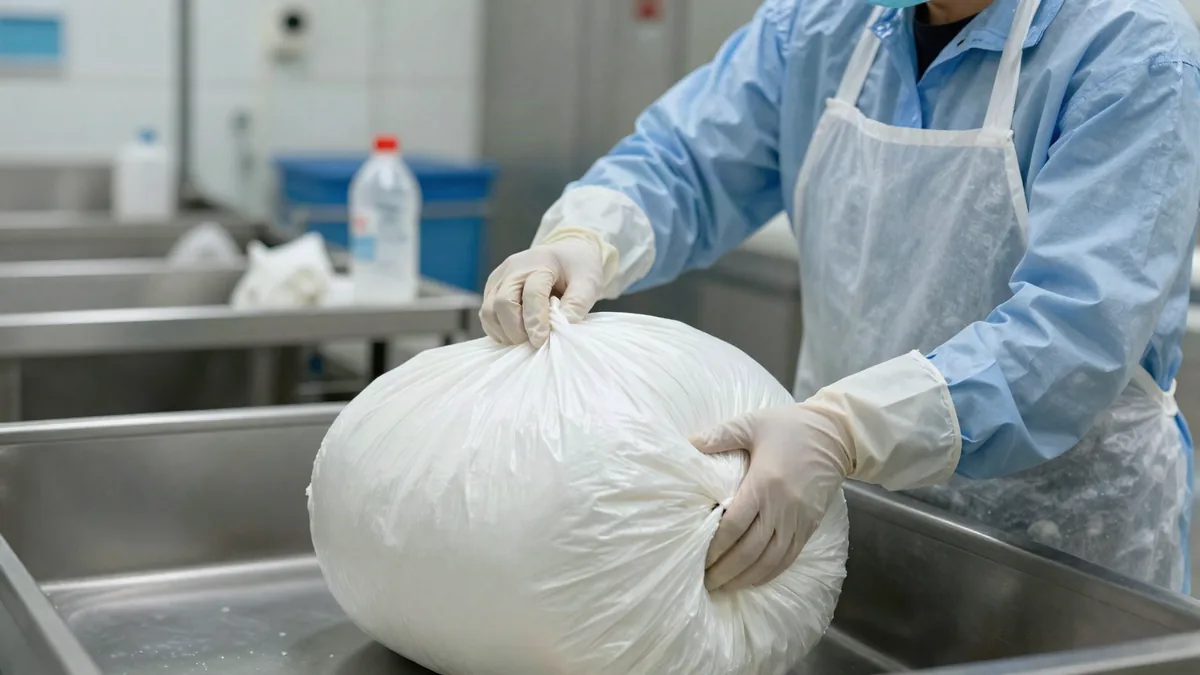
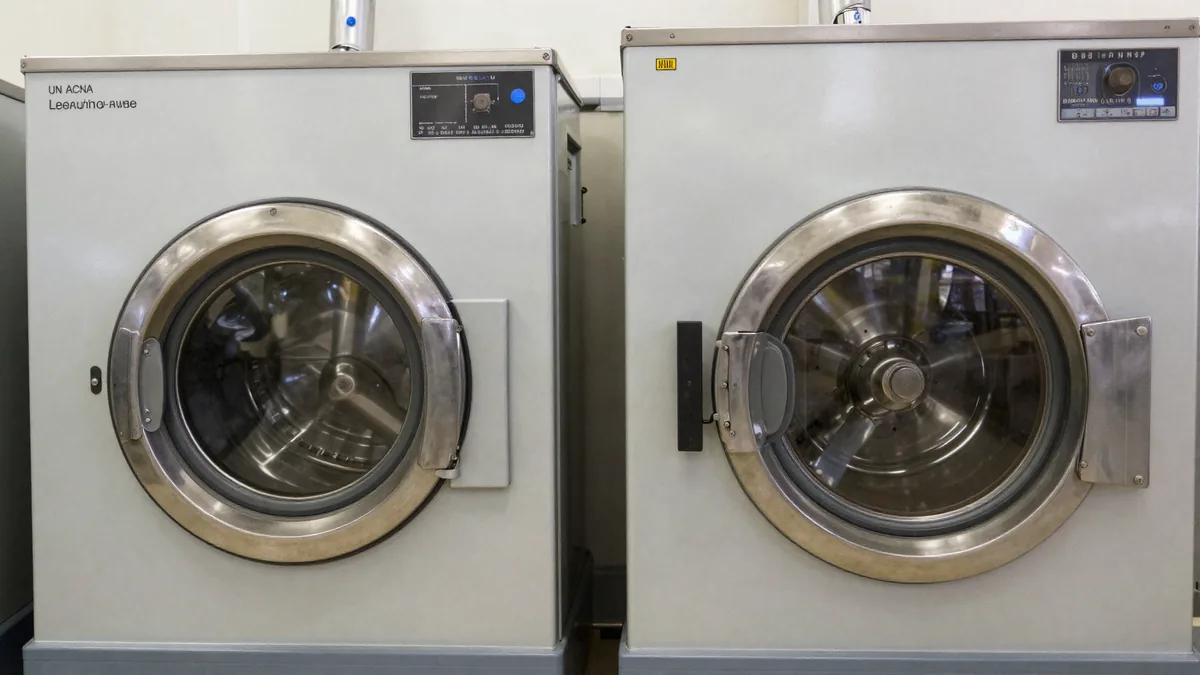
That sub's shirts had been through a home dryer, which voids the arc rating. The cuffs were frayed, and the label showing the arc rating was washed nearly blank. My moisture meter showed the fabric was still okay, but there was no way to prove the washing history, and that's what NFPA 70E inspectors look for. In-house, we couldn't guarantee the 50-wash lifecycle or the label legibility. When I priced it out, the in-house route looked cheap on paper: $85 per shirt, $140 for pants. But the hidden cost was the guy I'd need to babysit an industrial washer and the liability when a seam failed on shift. The rental quote came to $22 per garment per month. That covers their laundering, their inspections, and their asset tracking. I signed on the spot. Industrial Laundry Service
Last week, a sub walked into my office with a duffel bag of 'FR' shirts. They'd been washed at home. The stitching on two cuffs was frayed, and one pocket had a tear. He said they were fine. They weren't. That was the moment I stopped pretending our in-house program would ever be compliant.
NFPA 70E doesn't require a rental program. It requires that arc-rated clothing be selected and maintained according to the manufacturer's instructions. For most metal fabrication plants, that means a rental program is the only practical way to actually meet the standard. Here's how I built ours.
What NFPA 70E Actually Requires — And What It Doesn't
The standard is about hazard analysis. You need to know the incident energy at every panel and MCC. That number, in cal/cm², sets the minimum arc rating for your PPE. NFPA 70E Table 130.5(C) gives you the options: either do the study or use the tables. Either way, you end up with a category or a specific rating.
Once you've got that number, you buy garments rated above it. Simple. But people skip the second half of the rule: the clothing has to be maintained. That means following the care label. And every commercial FR garment's label says 'industrial laundry.' Home washing changes the fabric's properties and voids the certification. No exceptions.
Also, the standard mandates the whole system — shirt, pants, coveralls, and the underlayer. The worst arc flash I've seen was a guy wearing a T-shirt under his FR coveralls. That cotton melted onto his skin. The outer layer met spec, the underneath didn't.
Why Rental Beats Owning For Most Plants
Think about what owning does. You buy a few racks of coveralls. They go out, they come back, nobody knows whether they were washed per spec. They get patched with silicon or whatever. The repair jobs aren't done right. And someone leaves with a set, and you don't see it again for two months.
A rental program flips that. The laundry owns the garments and the performance. You pay a flat fee per employee per week — call it $4 to $15, depending on your contract and volume. That includes laundering, repairs, replacement, and the logistics. The cost is predictable, and it's less than one denied insurance claim.
Now, I'm not saying every plant should rent everything. For a crew of five, maybe you're better off buying from a place like National Safety Apparel and shipping to a certified industrial laundry. But for 100-plus people, rental is the only sane way to manage the volume.
Two things to watch. First, the contract structure — per piece, per pound, or per person. Per person is easiest to budget. Second, the laundry's cert. Don't just take the sales guy's word. Ask for documentation.
Building the Program: Spec, Contract, and KPIs
Start with a detailed spec. Rent the garments to the manufacturer's care instructions. The rental company should be on that list. We require TRSA Hygienically Clean certification for the laundry. It's not the same as healthcare's HLAC, but for FR workwear it's the standard that matters. Show me the certificate.
Then negotiate. Get the incident energy summary from the electrical engineer, and set the garments' ATPV to cover the highest rating in the facility. For us, that's 40 cal/cm² for the glove and suit combo. The coveralls are 8 cal/cm² for general work. Don't over-spec everything to 40 — you'll cook your crew.
The contract should have KPIs: turnaround time (we run on a weekly exchange), repair rate (we track any returned item that needed a patch), and the percentage of garments that pass visual inspection. We also set a limit on how many times a garment can be laundered before disposal. The rental company handles that, but we audit the logs.
The Laundering Standard That Makes It Compliant
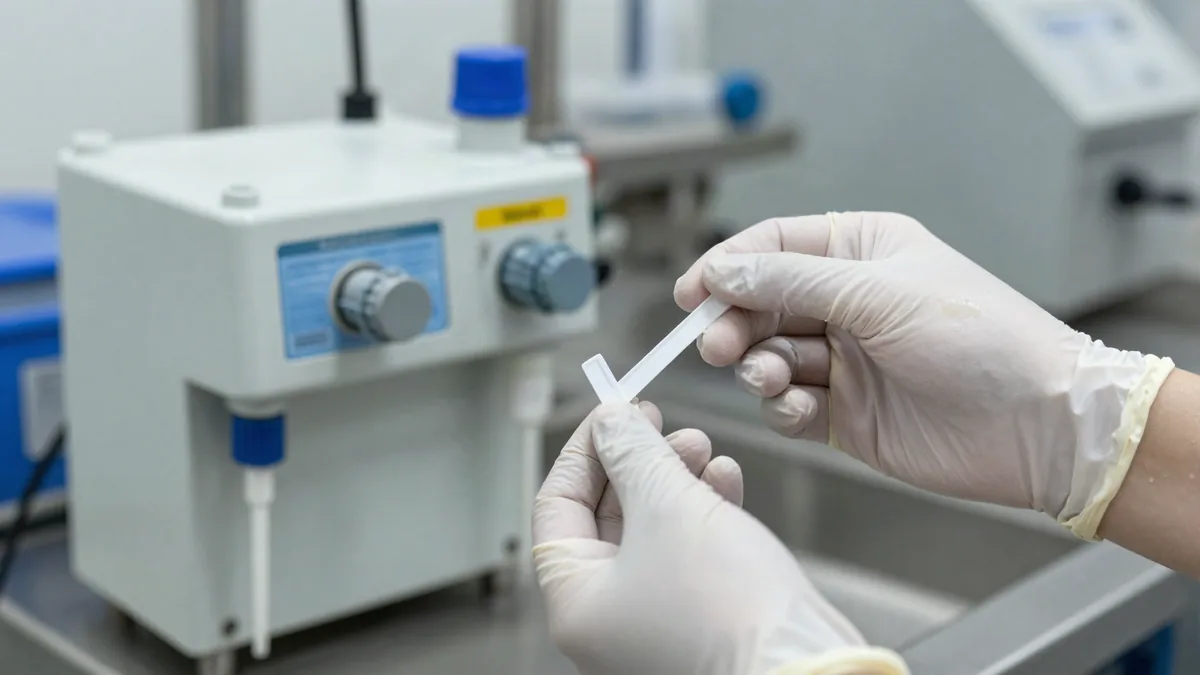
You've heard the myth that you can home-wash FR and it's fine. That's not how it works. The industrial laundry uses specific chemicals, temperatures, and dilution ratios to remove flammable residues and keep the fabric's arc rating in spec. They also do visual inspections for hidden damages like ember penetration.
Two certs you'll see: TRSA Hygienically Clean and HLAC. They're common in healthcare, and they tell you the laundry has third-party audits for hygiene and process control. For arc-rated workwear, the real requirement is that the laundry follows the garment manufacturer's industrial laundering instructions. Some of our gear, like Carhartt FR coveralls, lists approved launderers on its label.
You might also see ISO 14644 for cleanroom garment processing. That's a different beast. And structural firefighting gear has its own standard, NFPA 1851, with ruthless recordkeeping. The point is: don't get distracted by the alphabet soup. Ask the laundry for its instruction-following procedure and a list of audits they've passed.
Making It Work Day-to-Day With Your Crew
The best program in the world fails if people don't wear it. We had a guy who hid his FR coveralls in his truck and wore his favorite hoodie. An electrician caught him on camera. We switched companies and changed the culture.
We now issue each person a locker and a bin. They turn in soiled gear, get a clean set. Sizing is a big deal — 75% of fit issues come from wearing a size too small. We let people swap sizes at the laundry window, no questions asked.
Daily inspection is the non-negotiable. Look for holes, tears, heavy stains, and char marks. If a garment fails, tag it and send it back. Don't try to repair it yourself. The rental company handles repairs or replaces it.
There's one caveat: your electrical panel access policy has to match the clothing. If you only need FR for certain areas, make it zone-based. We have storage rooms where plain cotton is fine. That keeps the program cheap.
Rental vs. In-House Arc-Rated Clothing: Cost and Compliance Breakdown
| Category | In-House | Rental |
|---|---|---|
| Upfront Investment per Garment | $85 shirt, $140 pants | $0 |
| Monthly Cost per Garment | $8-$12 (laundering and replacement reserve) | $15-$25 (includes laundering and maintenance) |
| Compliance Documentation | Manual tracking, high audit risk | Professional records, tested processes |
| Laundry Process Control | In-house washer; requires validation | Industrial laundry follows manufacturer specs |
| Contract Length | No contract, but you own assets | 3-5 year agreement |
Frequently Asked Questions
Can we just buy arc-rated clothing and launder it at the plant?
No. Home or plant laundering doesn't follow the manufacturer's care instructions, and it voids the garment's arc rating certification. You need an industrial laundry that meets the label requirements. In many cases, a rental program is the simplest way to guarantee that.
What's the difference between NFPA 70E and NFPA 2112?
NFPA 70E covers electrical arc flash protection for workers who work on energized equipment. NFPA 2112 covers flash fire protection for petroleum and chemical plants. You need to know which hazard you're facing. Some garments carry both ratings, but it's usually separate.
How much does a rental programme cost?
Rental pricing is usually quoted per employee per week and commonly runs $4-15 depending on the level of protection, number of garments, and turnaround. It can also be per piece or per pound, but per-employee is simpler to budget.
What does TRSA Hygienically Clean or HLAC mean for an FR laundry?
They're third-party certifications for laundries, mostly in healthcare. They demonstrate a laundry has rigorous quality assurance and handling processes. For FR, the key is that the laundry follows the garment manufacturer's industrial laundering instructions and can show documentation.