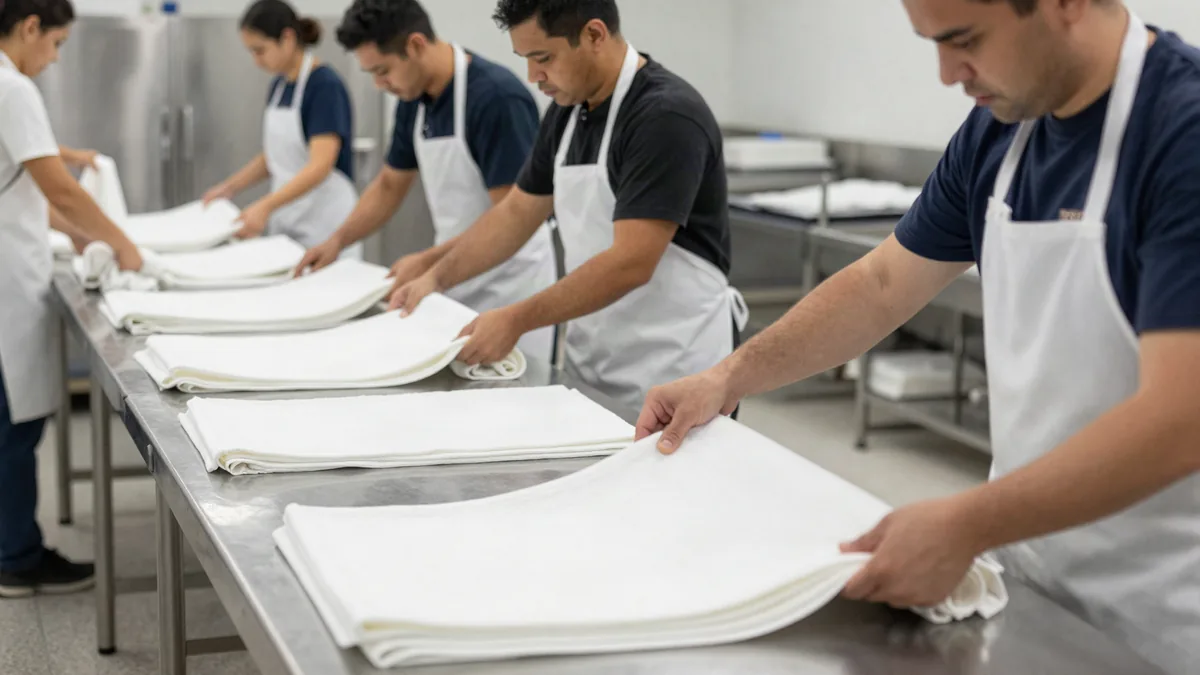
The Complete 2026 Buyer's Guide to Commercial Laundry Services
Bottom line: Commercial laundry services typically run $0.60 to $1.50 per pound processed, but your final cost depends on volume, linen ownership, and required turnaround, so contract terms matter more than the per-pound sticker price.
I once watched a hotel chain sign a three-year contract with a plant that couldn't handle their peak weekend volume. The plant's sales rep quoted a great per-pound rate, but the service level agreement had no penalty for missed deliveries. By August they were air-drying sheets on a tennis court. That's the mistake you're trying to avoid. When you buy commercial laundry, you're not buying pounds, you're buying uptime and hygiene. I've negotiated contracts for 42 million pounds a year, and the two numbers that matter are your actual cost per clean pound and the plant's capacity slack. You need to know how many washers they run, what their chemical system is, and whether they test for microbial kill. Don't ask for references, ask to see their maintenance log. Restaurant Linen Service | Hotel Laundry Service
At 5:40 on a June morning I stood at the end of a sixty-foot loading dock, watching a 450-pound Milnor tilt washer slam into its final rinse. The plant moved 42 million pounds that year, and I had signed every contract that got it there. That's the thing about commercial laundry: nobody calls you when it goes right, but everybody calls when it goes wrong.
This guide is the thing I wish someone had handed me when I started buying laundry services. It's not about the romance of clean sheets. It's about how to price a pound, read a service agreement, and know whether the plant down the road washes to the standard it claims. I'll get into the certifications, the rental-versus-owned math, and the contract clauses that'll screw you. If you're here because someone told you to 'just outsource the linens,' keep reading. You're about to become an expert in things you never planned to know.
Rental, owned, or hybrid: the only decision that matters
Before you look at a single bid, decide who owns the textile. In a rental program, the laundry owns the uniforms or linens. You pay a weekly fee for the right to wear them, and they handle replacement. That fee usually lands between $4 and $15 per employee per week, depending on the garment type, frequency, and how many pounds you're running. The vendor's goal is to keep you on their inventory forever, because that's the revenue.
Owned goods are yours. You buy the garments, and you pay a processor a per-pound or per-piece fee to wash, dry, and fold them back. That can work out cheaper for low-turnover items or unusual gear, but you own the replacement risk. A missing poly-cotton uniform shirt from a front-line worker is a hole in your inventory, not theirs. The hybrid is simple: rent the commodity stuff (shop towels, bar mops) and own the high-complexity items like FR coveralls or cleanroom suits. Most operators end up hybrid. It's not a philosophy, it's just where the numbers land.

Certifications that actually mean something
Certifications are the closest thing this business has to a food safety rating. But they're not all equal. TRSA Hygienically Clean is a process-based certification for commercial textile services. It includes a facility audit and bacterial sampling of finished product, and it's the closest thing we have to a broad 'good housekeeping' seal. HLAC accreditation is older, focused on healthcare, and it requires a strict chain of custody from soiled to clean. If you're buying hospital linens, know which one the vendor holds. For healthcare or emergency response, the plant also needs a written exposure control plan covering OSHA 1910.1030. That's not a certification, it's a legal requirement.
Now the clothes that actually protect your people. NFPA 2112 covers flame-resistant garments for flash fire, NFPA 70E covers arc flash gear, and NFPA 1851 covers structural firefighting apparel. None of these are maintained by running your coveralls through a home washer. Home machines can't control water temperature, detergent pH, or rinse cycles precisely enough to keep the flame-resistant finish intact. Industrial laundry plants have to follow specified wash formulas, measure parameters, and log every cycle. If a vendor tells you they handle FR gear, ask to see their documented process. Then ask how often they actually test the finished garments.
One more: ISO 14644 is for cleanrooms. If you're buying cleanroom laundry services, you need a plant that understands particle counts, not just stain removal.
How commercial laundry pricing really works
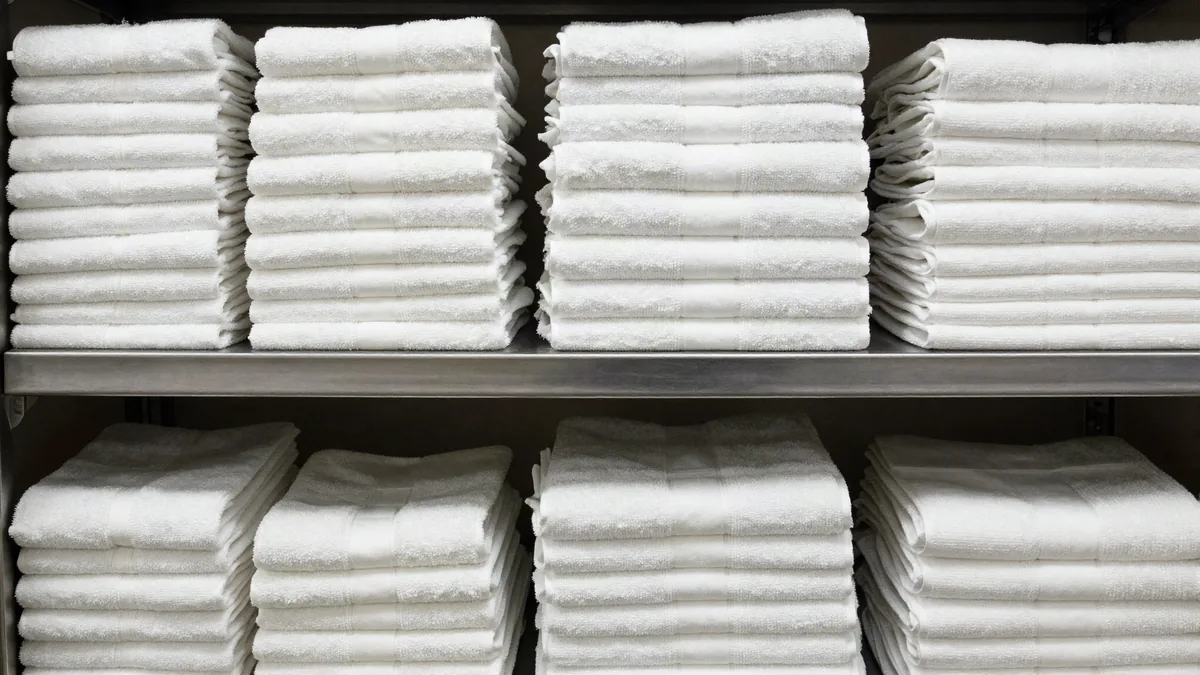
The per-pound price looks simple until you realize what's in the pound. A 50-pound bag of bar mops is heavy because it's dense. The same 50-pound bag of terry robes is fluff. So the bill depends on weight, but also on how many pieces are in that weight and how much hand-finishing they need. Some plants quote per piece for uniforms and per hundredweight for flatwork. Others quote per pickup for wash-dry-fold. Every model has a different way to hide the same cost.
The only number that's fairly standard is uniform rental: $4 to $15 per employee per week, as I said. The rest of it is a mix of line items. If you want a range, call three plants with a 10,000-pound-per-week mix and compare the two-page proposals. You'll get honest ranges, but they're not comparable until you understand the line items: pickup frequency, minimum weights, return times.
Don't ask what they charge per pound. Ask what they charge per pound for the same mix you have, and then ask what happens to that price if your soil level changes. Because the plant's cost is driven by the washing, not the fabric.
Contract traps and how to dodge them
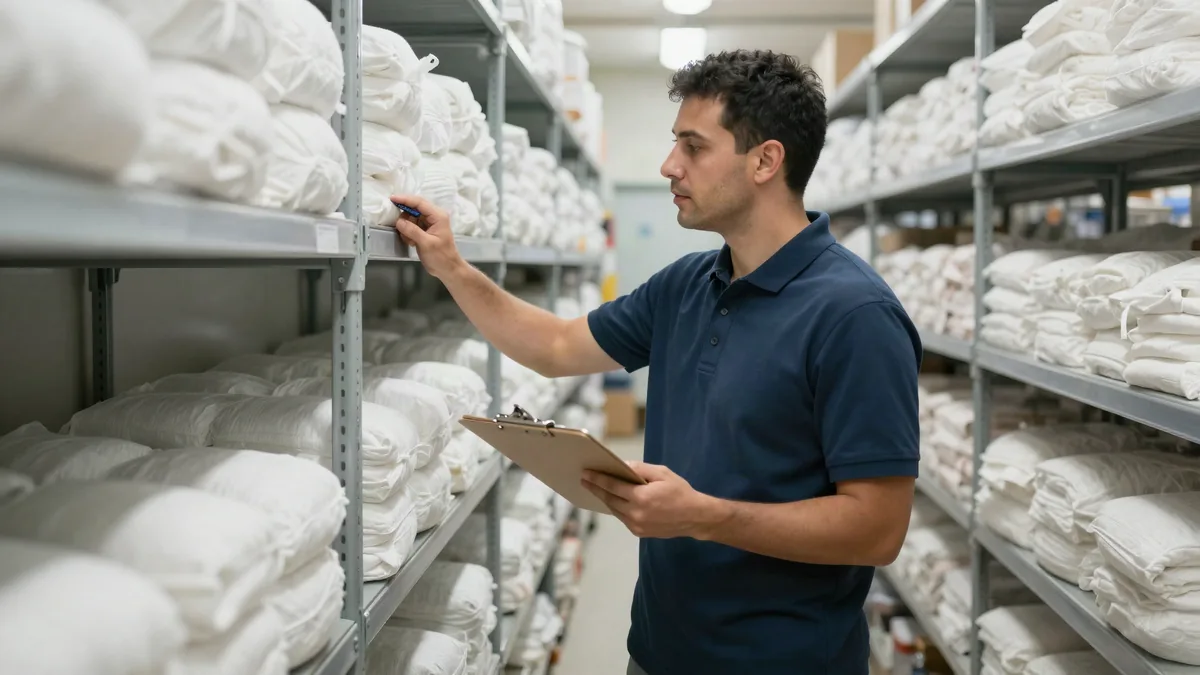
I've signed a lot of laundry contracts. The good ones are short. The bad ones are long and full of autopilot language. Look for auto-renewal clauses that lock you in for another year unless you give notice ninety days out. The industry loves these. You want a sixty-day written notice at the end of the initial term, plus a rolling sixty-day cancel-at-will after that. You also want a statement of exactly what happens to lost or damaged goods. The common model is that rental goods are the vendor's problem, but some contracts try to charge you for "excess loss" above a set percentage. That's fine if the percentage is in the contract and you have a right to audit their counts.
Another one is the surcharge for holidays, weekends, or night pickup. Those are legitimate costs—energy and labor are higher—but they need to be in the base price. Don't let a sales rep hand you a 'clean' rate and then surprise you with a 5% off-peak surcharge later. And finally, the par level. That's the number of uniforms or linens in circulation. If you set the par too high, you're paying to wash pieces that sit dirty on a shelf. Too low, and you run out. The vendor says they manage par levels for you, but they only manage it if you give them data. Ask for a quarterly par review in the contract.
What a good laundry partner looks like in 2026
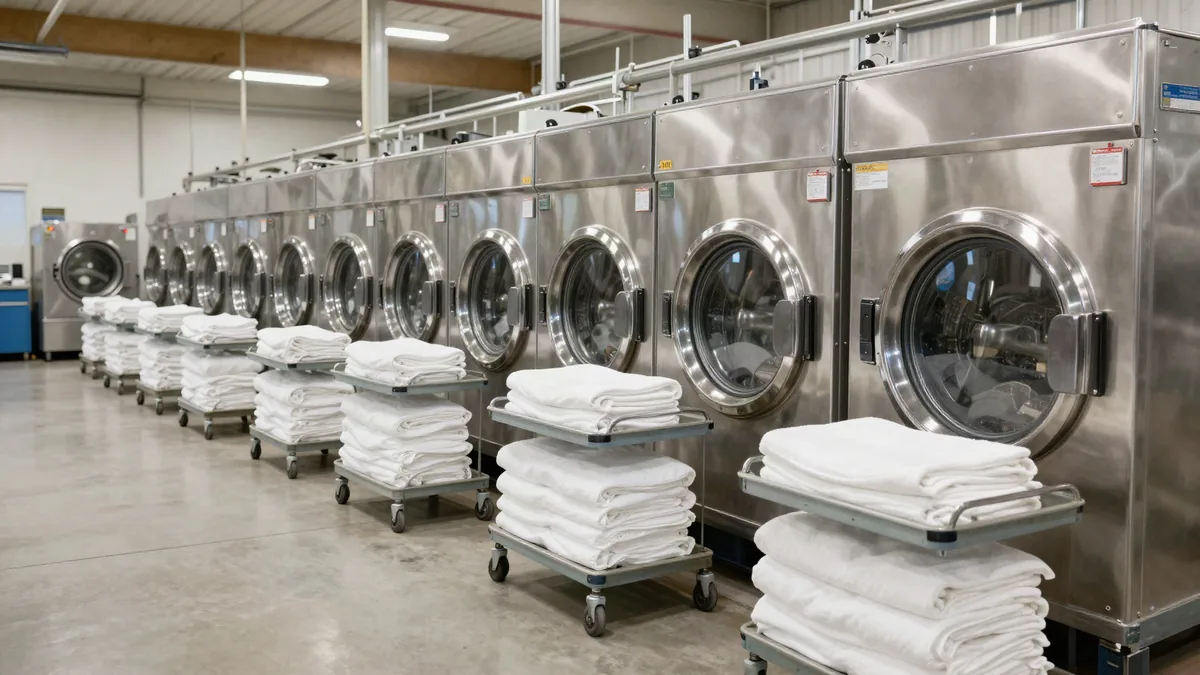
The plant manager matters more than the sales rep. Before you sign, walk the floor. Is it dry? Is it organized? Are there written wash formulas posted at the washers? A 2026 plant should also be talking about water reuse. The best ones have heat recovery systems and closed-loop wash systems. That's not environmental virtue; it cuts their operating cost, and lower cost gives them room to hold your price.
Ask to see the routing schedule and the driver's route map. Reliability is everything. If the route truck comes on Wednesday and the driver calls in sick, what's the backup? The contract should have a service level agreement with a penalty for missed pickups. I've seen plants that run a fleet of fourteen trucks and still have no backup plan. The worst one I ever used was part of a national company that did fifteen other restaurants in town, and they still missed two pickups a month.
A good partner also wants to know your operation. The best plants I bought from sent someone to walk my facility to see which uniforms were being used where. If a salesman says "we treat everyone the same," walk away. Because the day a hospital patient's sheet comes back with a tear, or a refinery worker's FR coverall smells like diesel, that's your nickname, not theirs.
Commercial Laundry Contract Pricing Models
| Pricing model | How it works | Shrinkage risk | Best for |
|---|---|---|---|
| Per pound | You pay for every pound processed, typically $0.60 to $1.50. No inventory ownership. | Plant owns linens, so they eat shrinkage. | High-volume facilities with steady output. |
| Per piece | Flat rate per item, usually $0.20 per napkin to $2.50 per sheet. | You own the linens, so you carry the loss. | Restaurants and hotels that track inventory tightly. |
| Flat monthly | Fixed fee for a defined service package, often based on previous usage. | Shared risk, allocations get messy. | Facilities with unpredictable volume but stable budgets. |
| Management contract | You pay a fee plus actual costs, plant staff operates your laundry room. | You assume all cost risk. | Large facilities wanting control without own management. |
Frequently Asked Questions
Can I wash FR coveralls at home to keep the NFPA rating?
No. Home washing won't meet the manufacturer's certified process, and you have no way to verify the garment still meets its arc rating. Industrial launderers use documented formulas, controlled water temperature, and can test the finished garment. Wash it at home and you own the risk.
What's the difference between TRSA Hygienically Clean and HLAC?
Both verify a plant's process through third-party audits. HLAC focuses on healthcare textiles and has a longer history there. TRSA Hygienically Clean covers healthcare plus hospitality and commercial. Both require facility audits and bacterial sampling. Some plants hold both.
How much should I budget for uniform rental?
For standard work uniforms, plan on $4 to $15 per employee per week for the rental itself. That covers the garment, cleaning, delivery, and replacement. Extra services like specialty repairs or inventory tracking add to it. You'll be at the high end if you need daily pickup or heavy soil.
What's the smartest way to compare laundry bids?
Ask for per-pound and per-piece pricing on your exact mix, not a single per-pound rate. Then ask how they calculate the monthly minimum, how lost items are charged, and whether the price is locked for a year. The last thing you want is a lowball rate that changes after a 90-day taste period.