Commercial Laundry in Phoenix: Heat, Hard Water and Choosing a Provider
Bottom line: Choose a Phoenix commercial laundry with proven on-site water softening and chemical programs tailored to 15-20 grain hardness; expect to pay $0.55-$0.75 per pound.
If you're shopping for a commercial laundry in Phoenix, the first thing I'd check is their water softening system. Too many plants try to save money by skipping softeners, and it shows in yellowed sheets and crusty washer drums. I've seen linen replacement costs climb 40 percent in hard-water operations. A good provider will have ion-exchange softeners on every line, and they'll test effluent hardness daily. Ask to see their logs. If they can't produce them, walk. Also, look at their chemical program: hard water needs more alkali and chelating agents. A plant that doesn't account for that is either cutting corners or charging you extra. Hotel Laundry Service | Healthcare Linen Service
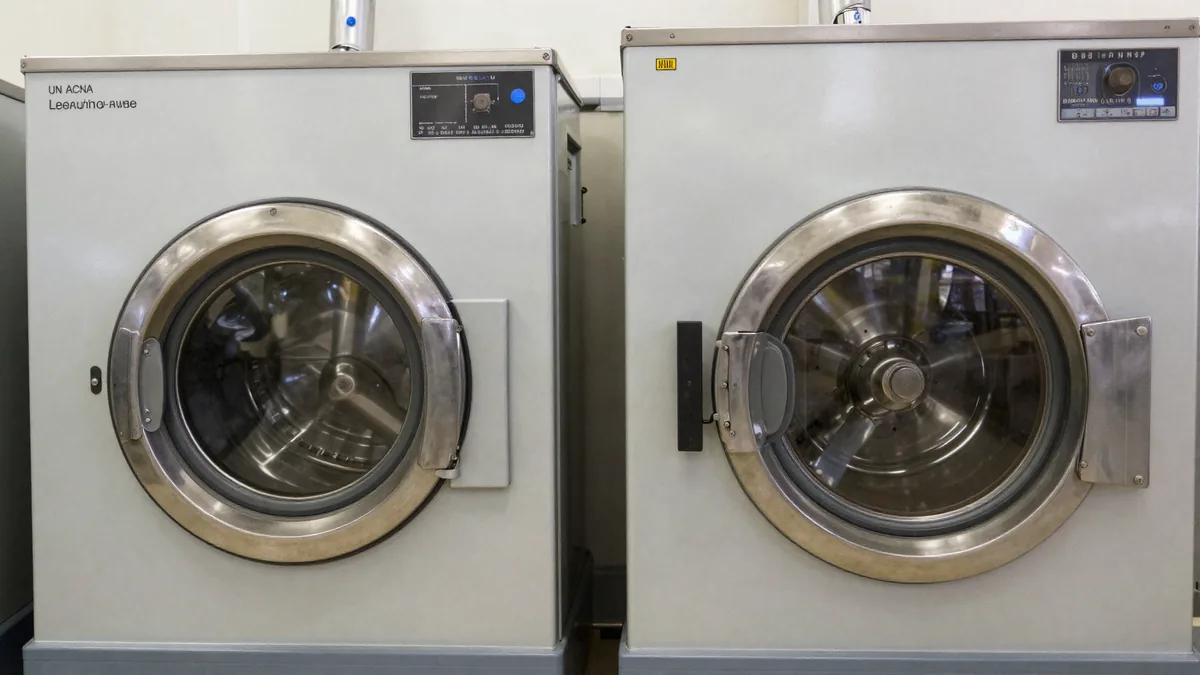
I stood in a Phoenix laundry plant one July, watching a Milnor washer-extractor spin up. The heat was so thick you could feel it in your teeth. The plant manager pointed at the incoming water line. 'This is our biggest headache,' he said. Not the heat. The water.
I didn't argue. I'd run a 42-million-pound-a-year plant for 19 years back in the Midwest, and I knew what hard water does to fabrics and machinery. In Phoenix, it's worse. You're talking 15 to 20 grains per gallon of hardness, depending on which side of town you're on. That's like washing in liquid rock.
If you're shopping for commercial laundry in Phoenix, you need to know how a provider handles heat and hard water. Because the right provider will make it look easy. The wrong one will blame the weather.
Heat: More Than a Convenience
Heat affects the washing and drying process more than people expect. High ambient temperatures raise the temperature of your supply water, which sounds good. But it also means wash chemistry reacts faster, sometimes too fast. And when you're drying, the air is already so dry that fabric can become brittle if you overdo it.
I've seen towels come out of a Phoenix tunnel washer stiff enough to stand on end. It wasn't poor washing. It was over-drying in a hot, low-humidity environment. A good operator adjusts mechanical action, chemical formulas, and drying times for the season.
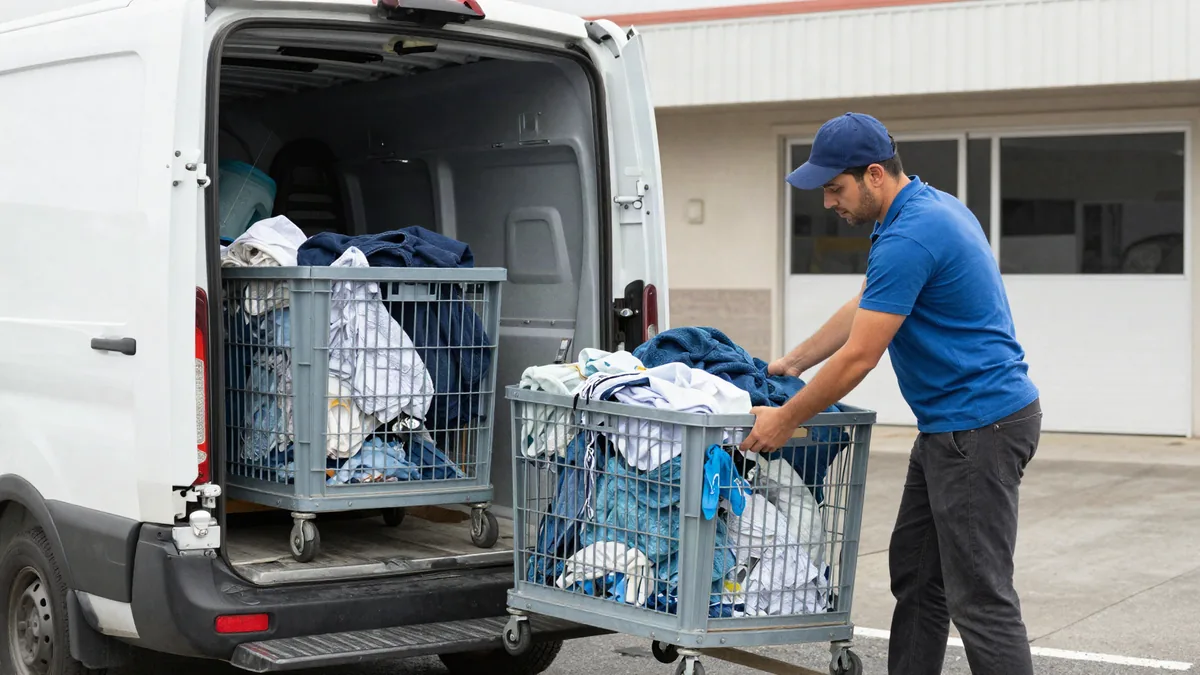
Speaking of digging, first time I saw a Phoenix summer, I thought my truck's thermometer was broken. It read 122. That's not a weather report, it's a reminder that if your laundry is sitting in an unventilated delivery van, it's already baked before it reaches the customer.
Ask a potential provider how they adjust for extreme heat. If they look at you sideways, keep looking.
Hard Water: The Silent Killer
Hard water is the thing that eats machinery and ruins linen. Calcium and magnesium ions bond with the chemicals you're using to clean, leaving scale on heating elements and stiff, grayed linens. In Phoenix, you can't ignore it. A good plant runs water softeners, uses the right detergent builders, and monitors water quality daily.
I remember auditing a plant that had hard-water scale an inch thick on its steam coils. They'd replaced three washers in five years. A softener would've paid for itself in six months.
Also, hard water can make it look like your laundry is coming back dirty when it's actually mineral residue. That's the number one complaint in Arizona commercial laundry — 'my towels smell sour' or 'my uniforms are stiff.' Both can be hard water.
When you talk to a provider, ask about their water treatment system. What's the grain hardness at their inlet? Do they soften? How often do they test? If they can't answer, that's a red flag.
Choosing the Right Provider: Watch, Don't Listen
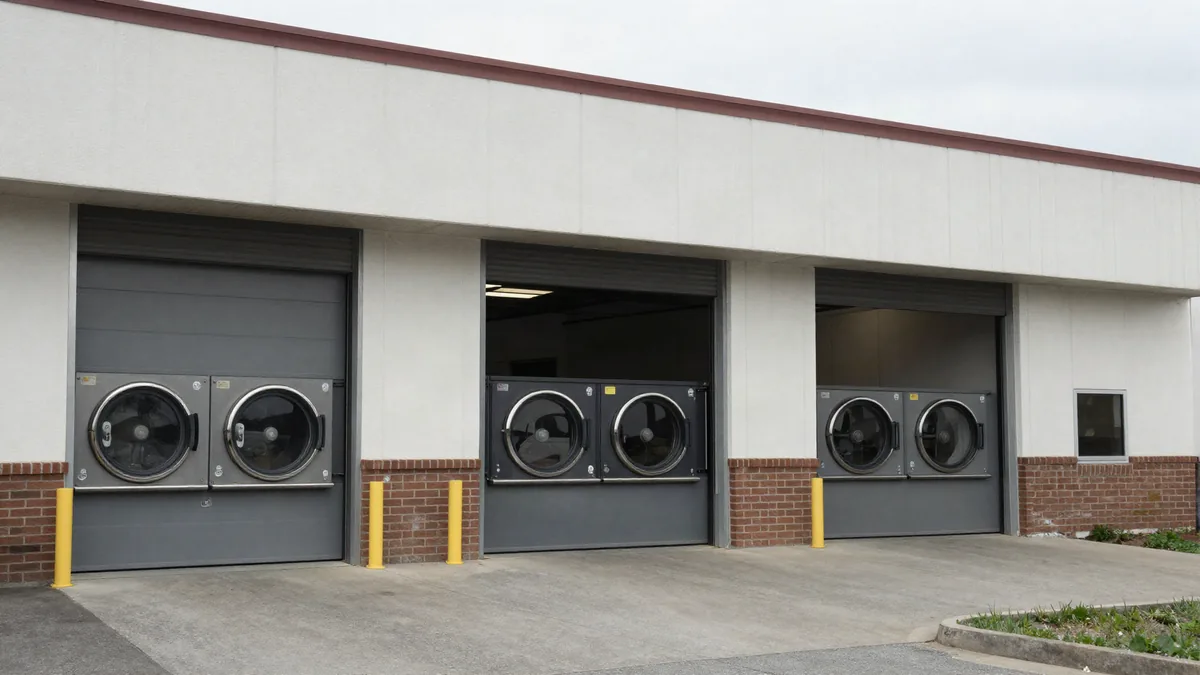
I've been in this industry long enough to know salesmen will say anything. Don't listen. Go visit the plant. Look at the equipment. Are the washers modern, or held together with duct tape and prayer? Is there a designated area for clean and dirty linen? How do they prevent cross-contamination?
Certifications matter, but only if they're backed up by process. TRSA Hygienically Clean is a strong signal for hospitality and commercial laundry, and healthcare should have HLAC accreditation and a documented OSHA 1910.1030 program. For industrial uniforms, NFPA 2112 covers FR garments, and NFPA 1851 applies to firefighters' turnout gear. These aren't just badges – they're process standards.
But don't just look at the paper. Ask to see their testing logs. A reputable plant will show you their rinse water pH, their softener regeneration schedule, their dryer temperature charts. If they get cagey, walk away.
Pricing: What You're Really Paying For
Pricing for commercial laundry in Phoenix comes in a few flavors. Rental uniforms are typically $4-15 per employee per week. Hotel and restaurant linen is often priced per pound. Healthcare is sometimes per piece. The trick is understanding what's included.
I've seen contracts quote a low per-pound rate, then hit you with a fuel surcharge, a water surcharge, a 'we had to truck in water' surcharge — yes, that's real in some parts of the West. Ask for an all-in quote and a sample invoice.
Also, watch the contract length. Some providers want a five-year term with an auto-renewal and a penalty if you leave. That's a sign they know you might want to leave. I'm not saying every long-term contract is bad, but you should know what you're signing.
Comparing Commercial Laundry Providers in Phoenix
| Provider Type | Hard Water Handling | Pricing | Turnaround | Best For |
|---|---|---|---|---|
| Local independent plant | On-site ion-exchange softeners, tested daily | $0.55-$0.75 per lb | 24-48 hours | Hotels, restaurants wanting personal service |
| National linen service | Central plants with RO and chelation | $0.60-$0.90 per lb or monthly rental | 48-72 hours scheduled | Multi-property hospitality groups |
| On-premise laundry | You provide and maintain softener | Equipment plus $0.30-$0.50 per lb in chemicals and labor | Immediate access, but slower processing | Facilities with steady high volume |
Frequently Asked Questions
How often will commercial laundry pick up and deliver in Phoenix?
Usually 1-3 times per week depending on volume. Ask about route coverage and whether they have an on-time guarantee.
Does hard water mean my laundry will smell?
Yes, if the provider doesn't soften water properly, the mineral residue can trap bacteria and produce a sour odor. Good softener maintenance prevents that.
What certifications should a healthcare laundry have?
Look for HLAC accreditation and a documented OSHA 1910.1030 bloodborne pathogen program. TRSA Hygienically Clean is also a positive mark.
Is it safe to wash FR workwear at home?
No. Home laundering can compromise the flame-resistant properties of NFPA 2112 certified garments. Industrial laundry follows strict procedures to maintain integrity.