Manufacturing Uniform and Shop Rag Programs: FR, High-Vis and Wipers
Bottom line: For a plant with 50 or more employees, the cheapest reliable move is to sign a single industrial uniform service contract for FR, high-vis, and shop rags; budget $18-$30 per worker per week, but only if you enforce a 95% return rate on soiled goods.
That shirt had been washed at home nine times. Nine. Each cycle strips a little more of the flame-resistant finish, and no one tracks that in the laundry room. I've seen managers buy cheap FR coveralls from a catalog, hand them out, and call it a day. Six months later they fail arc flash testing. The trick is to get an industrial uniform service that logs every wash and pulls garments at the end of their rated lifespan, not when they look worn. We switched to a rental program three years ago. Our service picks up shop rags and uniforms on the same truck, and they test every batch for conductivity. It costs more per week, but we stopped worrying about surprise audits. That peace of mind is worth the premium. Industrial Laundry Service
Last Wednesday, one of my welders walked past my office with a FR shirt that had a hole in the sleeve big enough to put a finger through. He told me his wife washed it at home because he was short on clean clothes. That shirt was done from a safety perspective, and he didn't know it.
I'm Hank, the EHS manager at a metal fabrication plant outside Dayton. I own the uniform program, the shop rag program, and every other piece of PPE that keeps people from getting singed or run over. If you're in the same chair, you know that the textile side of the job is never a 'set it and forget it' thing.
This post is the one I wish someone handed me when I started. It's about FR, high-vis, and the rags that wipe the grease. We'll talk about why industrial laundering isn't optional, how rental pricing works, and what to watch out for in a contract. Let's get into it.
FR Garments: Certification Is a Process, Not a Wash Cycle
NFPA 2112 is the standard for flash fire, and NFPA 70E covers arc flash. Both assume a garment that is clean, in service, and properly maintained. The only way to guarantee that is to put it through an industrial laundry that follows the manufacturer's validated method. That's not marketing, it's physics. The flame-resistant treatment has to stay chemically intact, and the fabric has to hold its weight.
Home washing is a guessing game. You don't know the detergent, the water temp, or whether the dryer actually reached the right heat. The care label gives you a starting point, but it's not a certification. And most of us are washing FR with a load of shop towels which is a fast track to contaminating everything.
I've seen rentals that come back with a fresh, crisp feel, and I've seen purchase programs where the shirts looked like they'd been sanded down. The difference is the process. A good launderer test-inspects for tears, metal filings, and chemical exposure. They don't just wash; they assess. That's the only way I can sign off on the program.
Rental vs. Purchase: The Economics and the Headaches
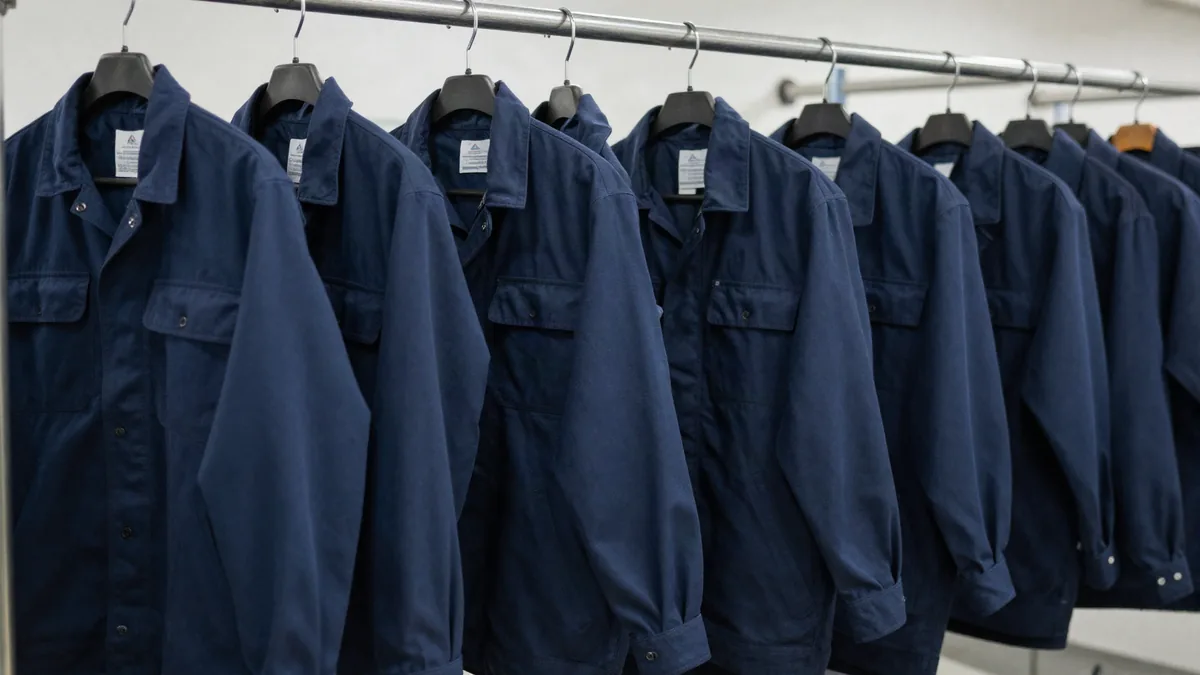
The classic question is whether to rent uniforms or buy and outsource the washing. For our size, rental wins the cost argument. You're looking at $4-15 per employee per week, depending on the garments and the level of service. That covers the shirt, the pants, the patches, the washing, and the repair. You don't have a locked closet with a hundred used uniforms.
Purchase programs work if you have a small crew and a decent on-site laundry, and even then you'll still send the FR out to a certified cleaner. The issue is inventory control. Once you own the shirts, you own the fading, the shrinkage, and the 'I lost my uniform' excuses.
Here's the thing about the big players—Cintas, UniFirst, Aramark—they're all capable, and they all have fine salespeople. The difference shows up in the contract. Watch for per-piece pricing that changes when you add a new hire, or a minimum weekly charge that bites in a slow month. A good contract is structured around your actual volume. A bad one is structured around their billing system.
High-Visibility Gear: More Than a Reflective Strip
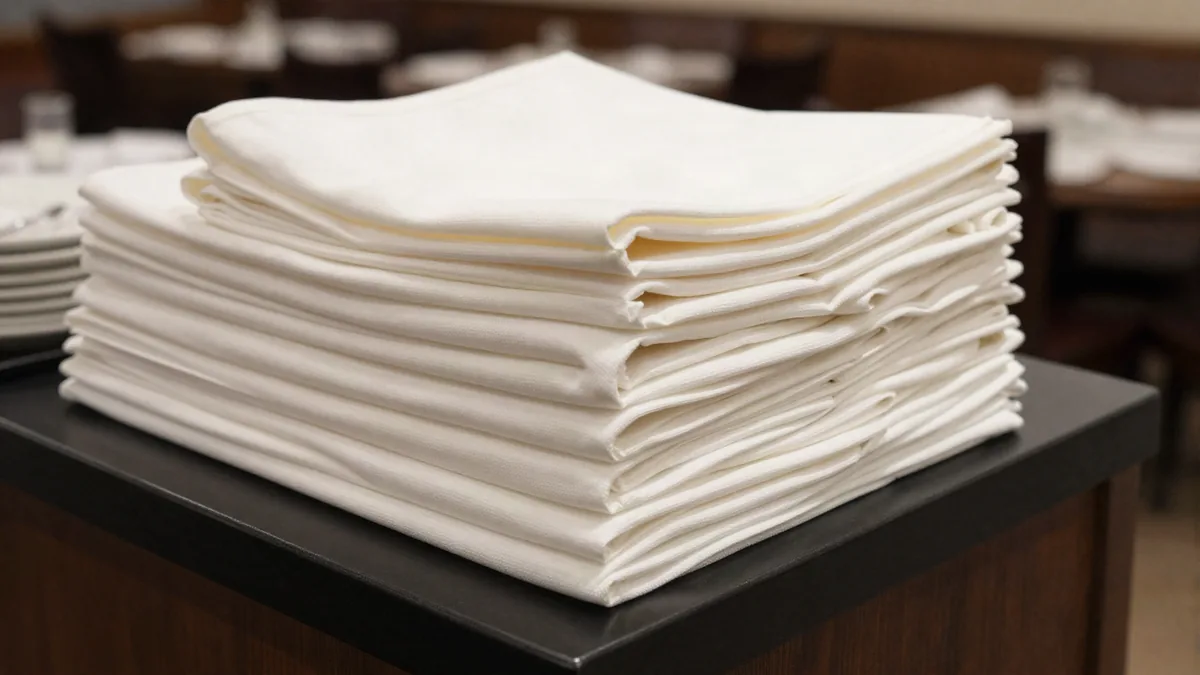
High-vis is secondary in a fab plant, but it's non-negotiable. Forklifts are hauling plate, cranes are swinging loads, trucks back up to the dock. ANSI/ISEA 107 is the standard, and it requires the background fabric and reflective tape to maintain certain photometric values. If that tape is peeling or the fabric has turned gray, you've lost the protection.
Industrial laundering keeps that stuff intact because the chemistry is set to be gentle on reflective materials. A home washer with bleach will turn a Class 3 vest into a faded artifact in a month. And a graying vest is just as dangerous as no vest, because everyone thinks they see the guy, but they don't.
One thing I've learned: have a clean swap system. When a guy takes a high-vis vest out for a shift, he should get a pristine one each time. That's easier with rental, because the service does the sorting. With a purchase program, you end up with a pile of 'new' vests that are actually 50 washes old.
Shop Rags and Wipers: The Unsung PPE
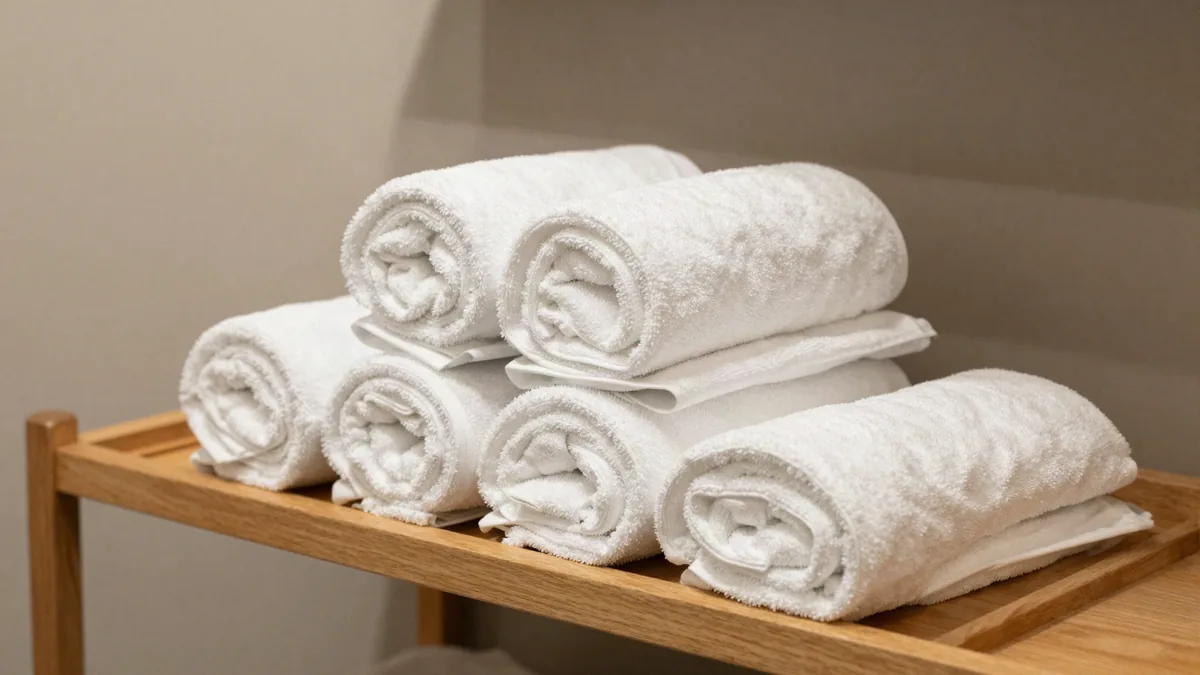
Now let's talk about the stuff nobody thinks twice about until it's a problem. Shop rags. Wipers. The absorbent cloths that soak up oil, solvent, and the occasional drop of hydraulic fluid. They're a safety item, and a labor item. Dirty rags with embedded metal shavings cut hands. Rags saturated with flammable solvents catch fire when they're thrown in the bin.
A good industrial uniform service treats shop rags as a specialty product. They sort, wash, and inspect for metal or hard plastic. They also handle the logistics of dirty rag pickup, so you're not holding a pile of solvent-soaked cloths in a barrel all week. That's a fire code issue and a common inspection finding.
We've got two grades: general shop rags and lint-free wipers for parts finishing. The service keeps them separate, and they're delivered in sealed bags. If you don't have that kind of program, call it a hazard. I've seen too many guys wipe their hands on a rag that had a burr in it. That's a preventable ER visit.
Digression: I once had a supervisor who accumulated rags in his office for 'emergencies' until a maintenance guy threw a lit cigarette in the pile. Thank God it didn't catch. That's the kind of thing that makes you an advocate for scheduled clean swaps.

Industrial Uniform Service Models Compared
| Model | Upfront Cost | Weekly Cost | Compliance Tracking | Main Tradeoff |
|---|---|---|---|---|
| Full-service rental | None | $18-$30 | Vendor logs every wash and pull | Premium price but no capital |
| Company-owned, outside cleaning | $200-$400 per worker | $10-$15 | You track garment age and repairs | Lower weekly cost but you own lifecycle |
| Company-owned, in-house laundry | $100-$200 per worker for machines | $5-$8 | High risk of missed washes and home washing | Hidden labor and utility costs |
| Full-service plus shop rags | None | $25-$40 | Vendor tracks FR, high-vis, and rags | Best for plants over 100 workers |
Frequently Asked Questions
Can I wash my FR coveralls at home to save money?
No. Home laundering doesn't maintain the certification required by NFPA 2112 or NFPA 70E. Industrial laundry follows the manufacturer's validated process to preserve the protective properties. If you wash it at home, you're rolling the dice.
How much does an industrial uniform rental program cost?
Basic uniform rental typically runs $4-15 per employee per week. That includes the garments, washing, repairs, and pickup/delivery. FR and high-vis garments will be at the higher end, depending on the service level.
What do TRSA Hygienically Clean and HLAC accreditation mean?
They're certifications for commercial laundries that prove they meet rigorous cleanliness and process standards. TRSA Hygienically Clean is common in the hospitality and healthcare industries, and HLAC is specifically for healthcare. For industrial uniforms, you want a launderer that can document their process for FR and high-vis.
How often should high-vis uniforms be replaced?
Inspect every time. If the reflective tape is peeling or the background fabric has faded beyond ANSI/ISEA 107 performance, replace it immediately. A good industrial laundry will flag that during processing. The useful life depends on the material and the wash chemistry, but it's not unlimited. When it's worn out, it's worn out.