
Running a Linen Inventory Count: A Repeatable Quarterly SOP
Bottom line: A quarterly count with a two-person team and barcode scanners takes about 8 hours for a 400-room property and normally reveals 3-5% shrink.
I once watched a housekeeper stack clean linens onto a cart while I counted. She meant well, but she was pulling from the same pile I had just counted. My numbers were garbage. That is why I never let anyone move a stack once I start. At the Grand Harbor, we do a full count every quarter. 430 rooms, par 3.5, that is roughly 12,000 fitted sheets, 15,000 flat sheets, and 20,000 bath towels. We assign two people per floor: one reads, one types into a tablet app. We count soiled hold, clean closets, carts, and main laundry. We block out four hours per day, over two days, and we do it when no laundry is running. You cannot count a moving target. Hotel Laundry Service
Back in 2002, I was a brand-new housekeeping supervisor at a mid-size property. We were doing our first quarterly count and I came up 200 bath mats short. My boss just looked at the numbers, shook her head and said, 'There they go.' She wasn't joking. It was my first lesson in linen inventory: you can't manage what you don't count.
Here at the Grand Harbor Convention Resort, we've got 430 rooms and a par level of 3.5 for most linens. That's roughly 12,000 fitted sheets, 15,000 flat sheets, and 9,000 duvet covers, not to mention 20,000 bath towels. Call it a lot of cotton. We do a full inventory count every quarter, without fail. It takes four hours and a team of six.
The count is our check against the laundry's monthly statement. If the plant tells me they processed 100,000 pounds last month, I need to know what that means in sheets and towels. The only way is to actually get my hands on the stock and tally it up.
Why bother with a linen count?
Linen in a hotel is like water in the desert. It evaporates. Guests take towels for the pool, employees throw out stained sheets without logging them, and the laundry plant loses pieces in the wash or accidentally sends them to the wrong account. The only way to know what you actually have is to count it.
A quarterly count also tells you if your par level is right. If you're always running out of washcloths on Saturday night, you might be under-par. If the closets are stuffed to the ceiling, you're over-par. Both cost money. And if your monthly laundry bill has been creeping up, the count gives you data to negotiate, or at least to ask hard questions.
We count by category, and we count both clean and dirty. That means the floor linen closets, the housekeeping carts, the soiled linen bags in the chute room, and the main linen storage. It's a full census, not a sample.
What you need before you start
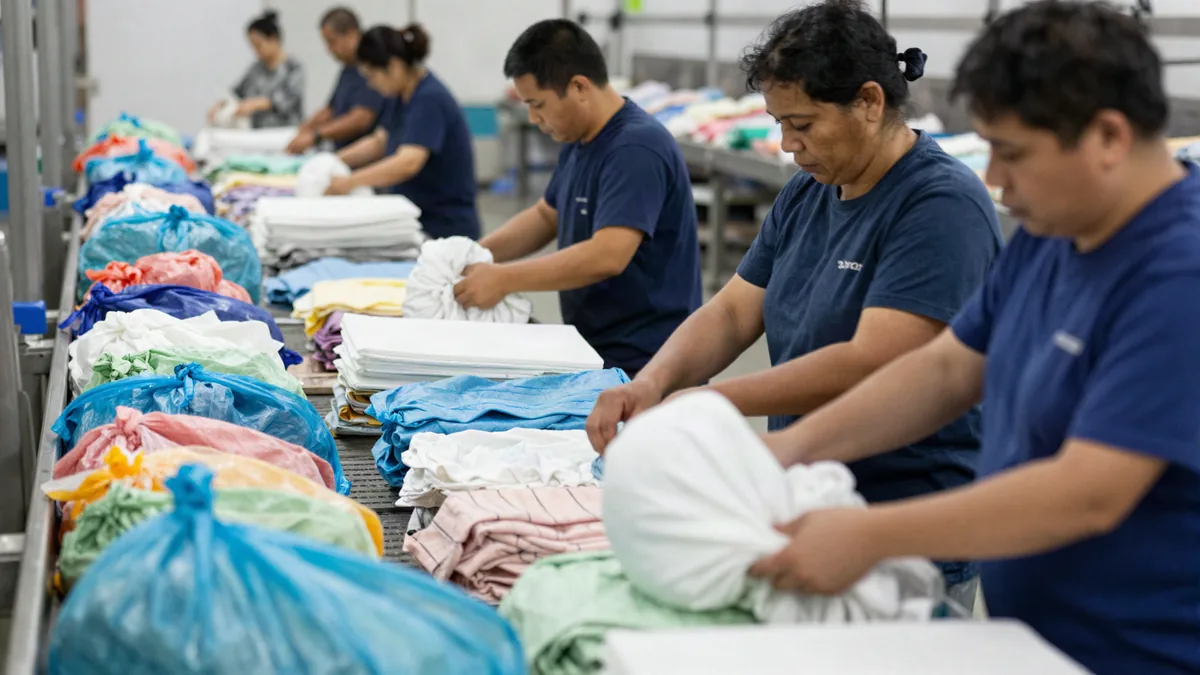
You need a spreadsheet or a count sheet, a pair of hands, and someone who knows the difference between a king and a queen sheet. Sounds obvious, but you'd be amazed.
At the resort, we use a three-person team per floor: one calls, one writes, one stacks. We've tried handheld scanners and inventory apps, but honestly, a clipboard and a folded sheet of paper still works best for us. Each count sheet is color-coded: blue for towels, white for sheets, yellow for duvet covers. We print three copies, and after the count, each team tells us their totals. We enter them into a master Excel file that's been in use since 2008.
Don't do a count during a delivery from the laundry plant. That's a sure way to double-count. Coordinate with the plant schedule. We do ours on a Tuesday morning, after the room attendants have stocked their carts, but before the clean delivery truck arrives. That way we know where everything is.
The count itself, step by step
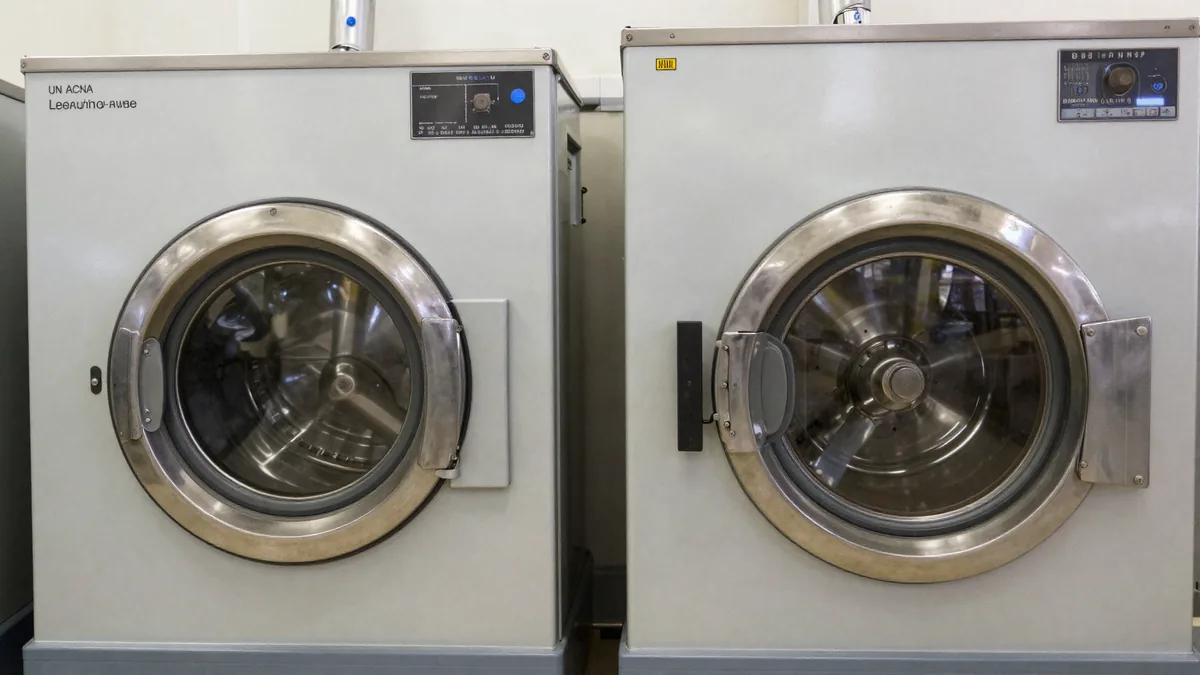
Start with the soiled laundry. We weigh each bag of soiled linens on a scale and estimate the piece count by dividing the weight by an average piece weight. It's not exact, but it gives us a sanity check. If the scale says we have 3,000 bath towels worth of soil, but the closets are empty, we know something's off.
Then move to the clean linen closets, one floor at a time. This is where the team does the real counting. Open every shelf, count every stack, and don't skip the overflow on the top shelf. Also count the rolled sets that the room attendants use for quick turnovers. They count, because they're in inventory.
After that, count the housekeeping carts. Each cart has a standard par, but the attendants often have extras. Count what's actually on the cart. Then finally, count the par stock in the main linen room. That's the reserve that feeds the closets.
By the time you're done, you've got four buckets: soiled, clean closets, carts, and par stock. Add them together. That's your total on-hand for that SKU.
When the numbers don't add up
After you add up the totals, compare them to what you should have if your par level is correct. The difference is your variance. Some variance is normal, call it wear, tear, and guest sticky fingers. But if you're losing 3% of your bath towels every quarter, that's a problem.
First, re-count. We re-count any category with a variance over 1.5%. That's our threshold. If it's a two-bin difference, we double-check the closets. Maybe a housekeeper stashed a stack in a dead storage room. We once found 300 bath mats behind a podium in the convention center. The staff meant well, they were hiding them from the count, but it messed up everything. So now we do a quick sweep of stairwells, storage rooms, and the valet station before the count.
Also, don't forget to log any linens that have been retired to rags or thrown away. In our main linen room, we keep a rag bin. Every torn sheet gets logged and moved out of inventory. If you don't do that, you'll never know whether you lost a sheet or just made it a rag.
Finally, reconcile with your laundry plant. Our plant charges per pound, and they track soft counts from the processing line. We share our numbers with them every quarter. If they're off by more than 2%, we re-count together. It's a partnership, but you still have to trust but verify.

Making the quarterly count a habit
We schedule our four counts for the last Tuesday of March, June, September, and December. We freeze all linen movement from 8 a.m. To noon. That means no deliveries, no exchanges, no stealing from another floor. The housekeeping team knows the drill. They build it into their morning routine.
The whole process takes about four hours with six people. A smaller property could do it in two. But the key is to do it the same way every time. Same counting order, same sheets, same spreadsheet. Consistency is what gives you usable data.
Over time, you'll see patterns. If your shrinkage rate drops below 1%, you're doing well. If it spikes after a big convention, you can plan for it. The goal isn't a perfect count, it's a repeatable process that tells you what you need to know. That's the difference between running a linen program and being run by it.
Linen Inventory Count Methods Compared
| Method | Accuracy | Time per 1,000 items | Equipment cost |
|---|---|---|---|
| Manual clipboard | 90-95% | 45-60 minutes | $0 |
| Barcode scanner | 98-99% | 15-20 minutes | $500-$1,000 per scanner |
| RFID tag system | 99.5% | 5-10 minutes | $5,000+ for tags and reader |
| Hybrid scanner and visual | 98% | 25-30 minutes | $500 plus labor |
Frequently Asked Questions
How often should a hotel do a linen inventory count?
A quarterly count is the industry standard for properties like ours. If you're seeing high shrinkage or if you're a smaller property without a big staff, you might want to do it monthly. But quarterly gives you enough data to see trends without taking too much time.
What is a par level and how do I set it?
Par is the amount of linen you need on hand to run the property without running out. For most hotels, it's 3 to 4 times the number of rooms, depending on laundry turnaround time and peak occupancy. We use 3.5 par for towels and sheets. You set it by tracking usage over a few weeks and adjusting for weekends and events.
What if my count is short? How do I find the missing linen?
First, don't panic. Re-count the biggest categories. Then check all the places linen can hide: carts, closets, storage rooms, valet stations, laundry bags. Log all retired linens. Finally, reconcile with your laundry plant. If you're still short, look at the pattern over time. Maybe you have a problem with outside guests or a housekeeper hiding stock.
Do I need special software to track linen inventory?
No. A spreadsheet and a printed count sheet work fine for most properties. If you have a large operation, a barcode scanner and inventory management software can save time and reduce errors. But start with a disciplined manual process. Once you trust the data, then invest in tools.