Gym Towel Service: Par Levels, Turnaround and Odour Control
Bottom line: Set gym towel par levels at 3 times daily usage, schedule 24-hour turnaround with a commercial laundry, and control odour with enzyme presoak and a 160-degree wash.
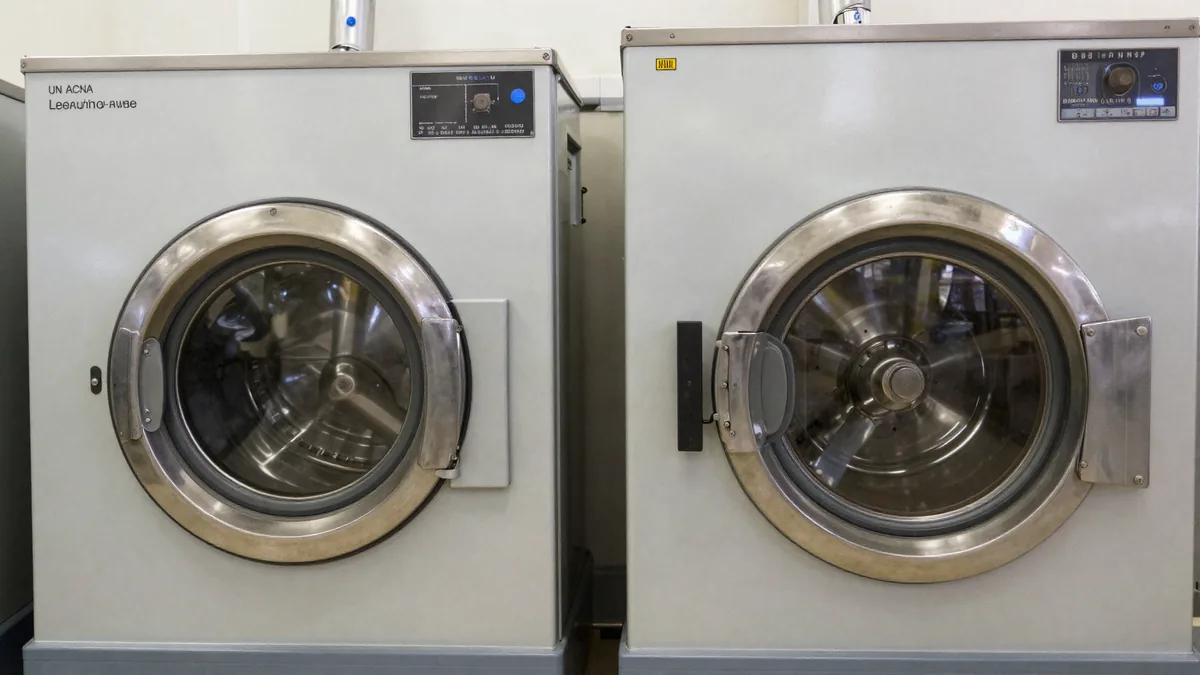
When I say we wash a thousand towels a night, I mean we've got four 80-pound washers running back-to-back. The first mistake I made was thinking a regular hot wash would handle the stink. It doesn't. That smell comes from trapped bacteria in the cotton fibers, and if you don't use an enzyme presoak at 60 degrees or higher, you're just moving it around. I've also watched gym managers cut par levels to two times usage to save money, and every towel comes back damp because they don't get time to dry. My advice: keep par at three, and make sure your laundry has a dedicated odour cycle. It's worth the extra cost. Commercial laundry in Texas
The phone rang at 7:15 AM as I was popping quarters out of a dryer. 'Hey, you're the laundromat on Main, right? We need someone to handle our gym towels.' I didn't even know that was a business. I said yes anyway. That was three years ago. Now we wash a thousand towels a night and my washroom smells better than most gyms.
It's been a learning curve. Gym towels are a different animal than regular laundry—they come in heavy with oil, sweat, and that smell that makes you want to leave the building. You can't just toss them in a top-loader and hope. You need par levels, a real turnaround plan, and an odour-control process that actually works.
In this post, I'll walk you through the systems we've built for our route, so you can skip the bruises we got the hard way.
Par Levels: The Math That Stops Late-Night Panic
Par level is the number of towels a gym has to have on hand at any moment so members never see the bottom of the bin. If you get that number wrong, you'll either run out mid-afternoon or you'll have baskets of mildew sitting in a hallway. Neither is good. We calculate it simple: figure out the average number of daily visits, then multiply by 1.5. That's the number of towels used per day. Then multiply by 3—that's your par. So a gym with 200 visits a day needs 600 towels in circulation. We also add a 10% buffer because things get lost, stuffed into lockers, or used to wipe down a bench.
We deliver three times a week, and we swap clean for dirty. The gym keeps a bagged bin, we leave a stack of folded towels, and the dirty bag comes with us. It's a back-and-forth that keeps the par stable. Call it a rolling inventory. It works.
I learned this the hard way when one gym's manager decided to 'help' by ordering a bunch of extra towels off Amazon. Suddenly we had 800 towels to wash and no bin space. We had to renegotiate the par. Now we put par levels on a sticker. No surprises.
Turnaround: What 'Next Day' Actually Means
Gyms don't think about turnaround until they're out of towels. They just want clean ones when they open. For us, turnaround is the beating heart of the route. Our standard promise is 24 hours. We pick up at 6 p.m., wash overnight, fold by 9 a.m., and deliver by noon. That's 18 hours, give or take.
But that only works if we have room to run a full cycle without kicking the machines back into manual. Our solution is to have two dedicated washers for gym towels. They run constantly between pickups. If you don't use dedicated machines, you'll cross-contaminate with family laundry and the odour never goes away.
The tricky part is when a gym wants same-day. We can't always do that. It depends on the plant—how many machines are free, how long the wash cycle is, and how many other routes are on the board. We'll do a same-day rush for an extra per-pound fee. Most gyms settle for our 24-hour standard once they see the pricing.
Odour Control: It's a Process, Not a Scent
This is the thing people ask about the most. Why do gym towels smell even after they're washed? Because synthetic fibers like polyester trap oil and dead skin, and bacteria multiply in there. A normal wash cycle won't touch it. We use a five-step process: a cold pre-rinse to break the oil, a hot main wash at 140°F with a high-chelate detergent, a bleach step (we use chlorine on whites, oxygen bleach on colors), two extra rinses, and finally a sour bath to neutralize alkalinity. That's the science.
We never use fabric softener. It ruins absorbency and leaves a waxy film that feeds bacteria. Instead, we dry on high heat—160°F for 40 minutes—which helps kill bacteria. Also, we pull the towels immediately when the cycle ends. Habit: never let a wet towel sit overnight.
We had a gym owner ask if we could add a scent booster. I said no. That just masks bacteria, and the stink comes back in the locker. The real fix is mechanical. I once spent a whole afternoon washing a batch of cotton towels that smelled like a roadkill, and the difference is that synthetic towels need a heavier program. We run separate cycles for poly blends. It's not complicated—you just have to respect the fabric.
The Dirty Details of Running the Route (and Making It Pay)
Now, the money side. Gym towel pricing is usually per pound, not per piece. That works best for us because towel weights vary. We charge per pound, and the rate we land on depends on volume, pickup frequency, and how far we're driving. It's not a get-rich scheme, but it fills the washroom at 11 p.m. When our retail customers are gone.
The route itself is a daily moving puzzle. We use a simple barcode system—each towel is tagged, and when a gym gets a delivery, we scan them in and out. That gives us exact counts, and we don't argue with the gym manager about whether 300 went out instead of 280. It's worth the five minutes.
We also learned to set minimums. If a gym only needs 100 towels a week, it's not worth our gas, unless they're on the same block as another account. We run a one-hour pickup window in the early morning and one in the late afternoon. We group trips. Otherwise, you're just giving away money.
One more thing: you have to be honest about what you can handle. We turned down a 2,000-towel-per-week account because we didn't have the dryer capacity. That hurt, but it's better than overpromising and losing a regular.
Gym Towel Service Models Compared
| Service Model | Upfront Cost | Par Level Needed | Turnaround | Odour Control Responsibility |
|---|---|---|---|---|
| In-house laundry | Washer investment from $15,000 | 3 times daily usage | 24 hours with a dedicated drying room | You manage enzyme presoak and a 160-degree wash cycle |
| Commercial laundry (your towels) | You buy towels at $3 each | 2.5 times daily usage | 2 to 3 days with pickup and delivery | Laundry uses industrial detergents and ozone, but you strip every 90 days |
| Full rental service | No towel purchase | 1.5 times daily usage | 1 to 2 days with frequent routes | Service handles all odour control and replacements |
Frequently Asked Questions
How often should gym towels be washed?
Wash after every use. In a commercial service, that means a dedicated wash cycle with high heat and proper chemistry. Every single use.
Can you add a scent to gym towels?
We don't add fragrance. Scents mask odour, not kill it. A clean towel has no smell. Some places offer scent boosters, but they can reduce absorbency. Focus on the wash process.
How much does a gym towel service cost?
Gym towel service is usually priced per pound. Rates depend on your volume, the number of pickups per week, and your market. Ask vendors for a per-pound quote, and don't sign a contract that locks you in without understanding the overage charges.
What's the minimum order for a gym towel route?
We usually require at least 300 towels per week from a single account, unless they're near another route. That covers our pickup costs and keeps the route efficient. It depends on the plant.