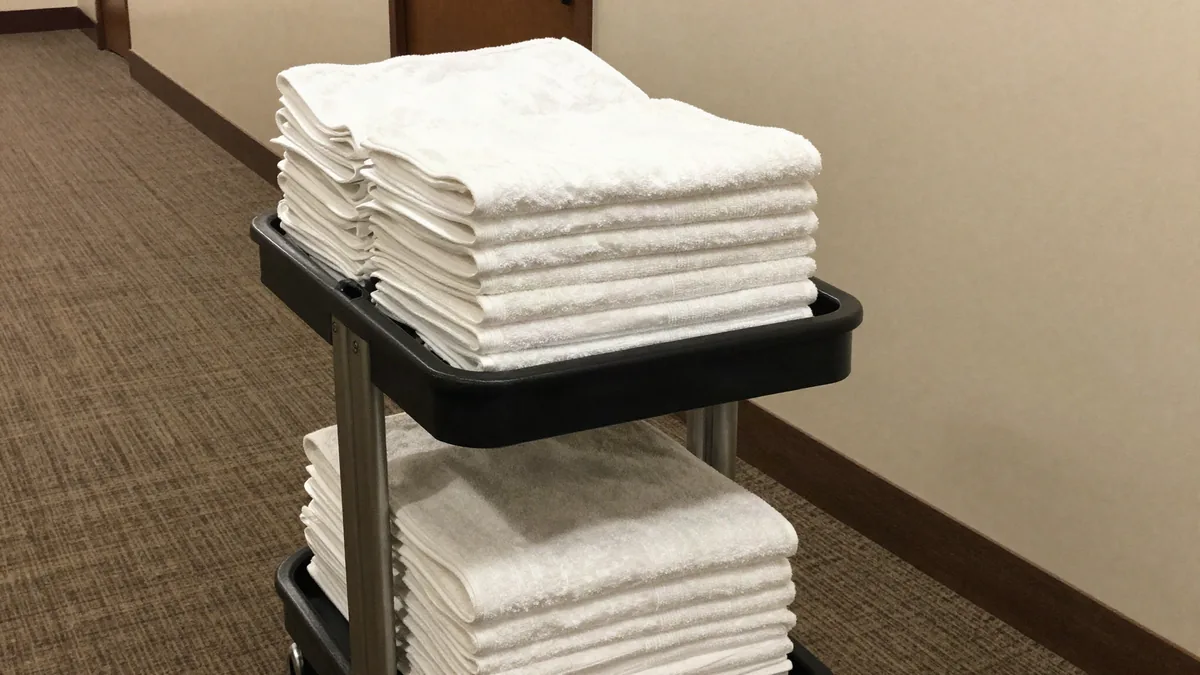
Healthcare Linen Service: How Hospitals and Clinics Source Textiles
Bottom line: Hospitals source linen through rental agreements with commercial laundries, paying around $1.50 to $2.50 per patient day, depending on volume, service level, and textile type.
I've watched a hospital administrator choose a linen vendor because their price per pound was four cents cheaper, without accounting for the freight and the fact that they required a 12-week inventory buffer. That buffer alone ate the savings. Here's the truth: sourcing hospital linen isn't a purchase, it's a logistics contract. We negotiated our current deal to include a daily delivery window of 30 minutes and a replacement rate for worn items that holds us to a 92 percent service level. The driver carries a tablet that scans every cart that leaves our dock, so I know exactly what we sent versus what we received. That's the only way to keep the gap between clean pounds and soiled pounds from exploding. Healthcare Linen Service
At 6:15 AM I'm standing in the loading dock at St. Mary's, watching the driver hand me a manifest. It says 4,210 pounds of clean linen. We sent 4,390 pounds back yesterday. That 180-pound gap is shrink, stains, and the occasional lost pair of scissors. I've been in materials management for eleven years, and I've never stopped chasing that gap.
For four hospitals and a dozen clinics, we don't own our linen. We rent it. That decision shapes everything from budget to patient experience. But 'rent' undersells it. What we're really buying is a healthcare linen service—a system that delivers the right textile, at the right place, on the right shift, with all the regulatory seams sewn shut.
There's no universal playbook. Some systems run in-house laundries. Some outsource completely. We're somewhere in between. But the fundamentals are the same everywhere. Here's how it works, and what I'd tell anyone responsible for sourcing hospital textiles.
The Two Sourcing Models: Owning vs. Renting
You'll find two basic models in this business. The first is ownership: you buy your own sheets, towels, and gowns, and send them to an outside laundry. The second is rental: a company like Angelica or Aramark owns the textiles and the plant, and you pay a per-pound or per-piece fee. There's no universal right answer. Call it a trade-off between control and capital.
Ownership means you're on the hook for purchasing, inventory, and replacing items. You bank on knowing your usage patterns. Rental means you don't have to front that cash, but you live with the provider's idea of a 'standard' sheet. We rent, and I've learned to inspect the deliveries like a hawk. The per-piece pricing model means we're charged every time a piece goes through the washer. So if it's missing, we still pay.
In practice, most mid-sized institutions end up somewhere in between. We own our surgical gowns but rent the bed linens. That split lets us control what touches patients directly while leaning on the laundry for commodity items.
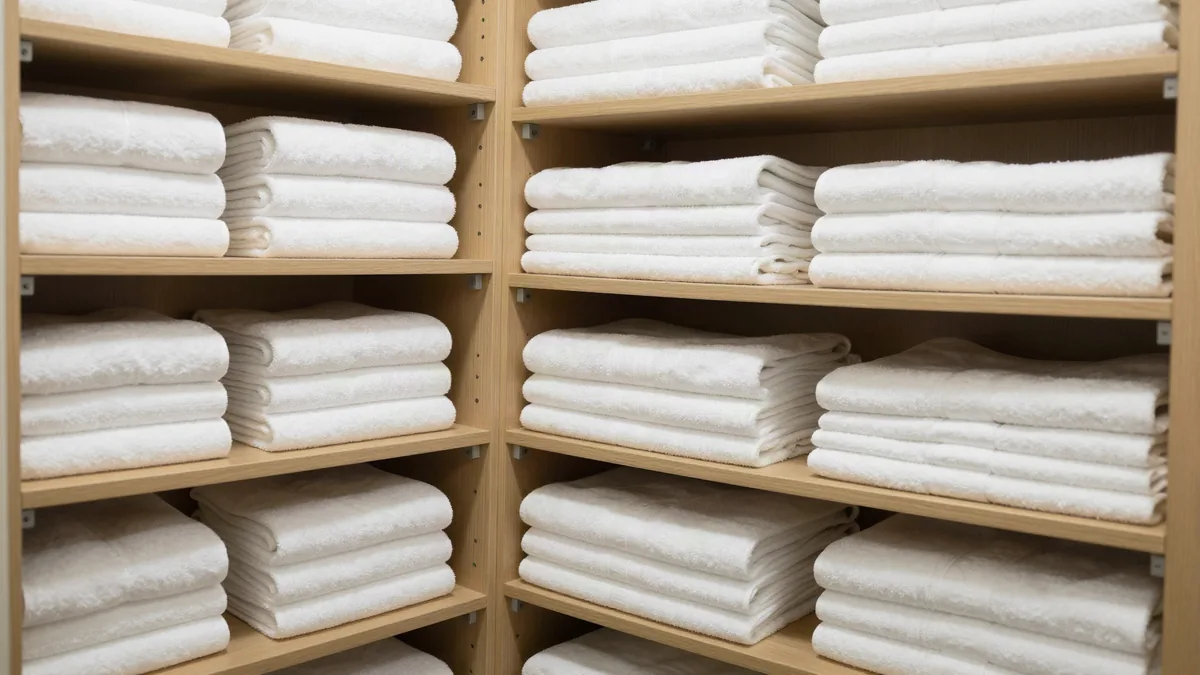
How Laundries Charge for Healthcare Textiles
Pricing models matter because they change the incentives. Per-pound is most common for hospital linen. The rate—call it $0.40 to $1.00 a pound, depending on your volume and the plant's efficiency—covers washing, finishing, and delivery. Per-piece pricing flips it around: you pay for each finished item, so your bill reflects actual usage. Uniform rental is usually per employee per week, commonly $4 to $15, depending on the industry and what you're excluding.
Then there are the fees that creep into contracts. Watch for a linen replacement factor, or LRF, that some providers tack on. It's a percentage of your monthly fee meant to cover lost and damaged items. If the plant loses three percent of their inventory and bills you a ten percent LRF, that's a red flag. You want a contract that holds inventory at cost, not a mystery add-on.
Also negotiate delivery frequency. We get a daily drop on weekdays and a smaller one on Saturday. Missing a Sunday pickup isn't a big deal, but missing a Monday morning pull will change the mood of an entire floor fast.
Standards and Certifications That Actually Matter
I'm not a clinician, and I won't pretend to quote infection rates. What I do know is that every hospital's laundry—whether in-house or outsourced—should hold itself to the same process standards. Look for TRSA Hygienically Clean certification or HLAC accreditation. These are voluntary, rigorous, and they audit the entire flow: wash chemistry, water temperatures, handling, and transport.
OSHA's bloodborne pathogens standard, 1910.1030, is the legal floor for handling soiled linen. It deals with labeling, exposure control, and how you separate contaminated laundry. It's not about sterility. It's about protecting the workers who touch that dirty material. If a provider can't show you their compliance documentation, that's a deal-breaker.
For surgical packs and sterile textiles, you're in a different universe. ISO 14644 cleanroom standards come into play during pack assembly. That's a specialized service, and you'll often see it handled by a dedicated facility, not the same plant that washes bed sheets.
Scrubs, Flame-Resistant Clothing, and Specialty Textiles
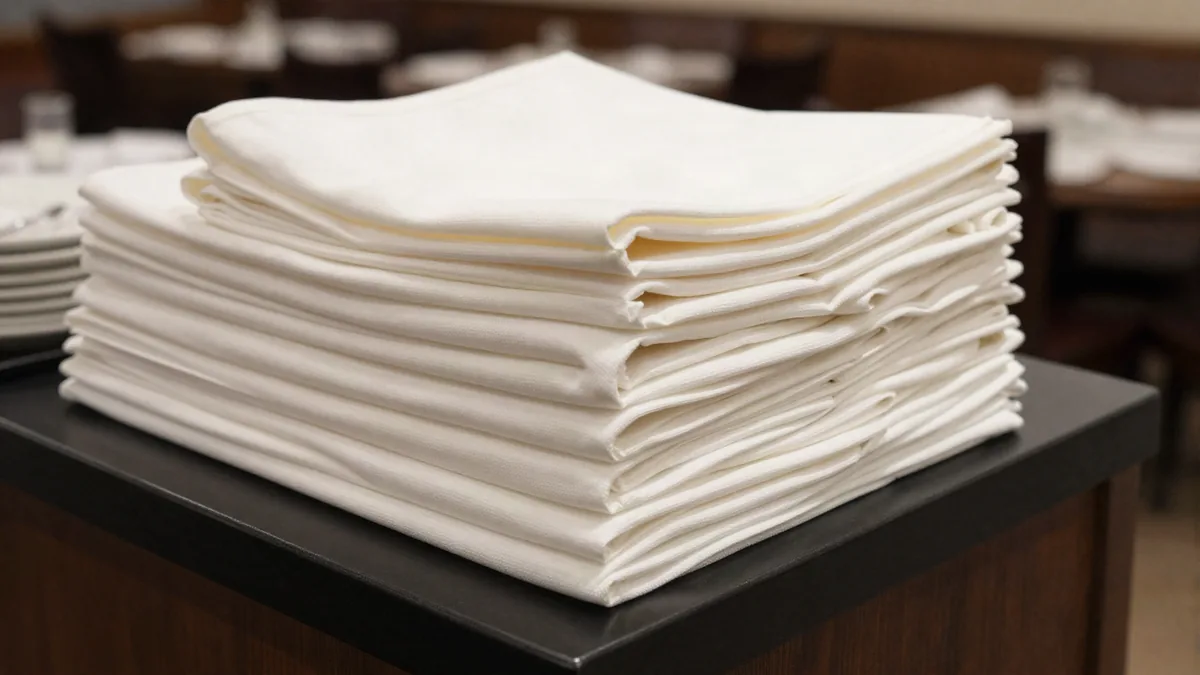
Scrubs are their own headache. If you rent them, you maintain pars across every OR and unit. Some systems let staff launder their own clinician scrubs, and that's acceptable for everyday use. But flame-resistant (FR) garments are different. FR shirts and pants don't go home. The thermal protection comes from the fabric chemistry, and industrial laundering preserves that. Home washing voids the certification.
If your maintenance crew wears NFPA 2112-rated coveralls, they must be cleaned in a program that follows the manufacturer's instructions and keeps the FR properties intact. NFPA 70E lays out the arc-flash clothing requirements. And for actual firefighter gear, NFPA 1851 dictates everything. We don't touch that in-house. But we make sure our designated FR provider is on the same page.
Also know that reusable surgical gowns and packs need a plant with validated processes and, in some cases, ISO 14644 cleanroom conditions for assembly. Disposables are easier logistically but you pay for it in waste and storage. That decision belongs to your OR committee, not me.
How to Evaluate a Healthcare Linen Service Provider
When we put our last contract out to bid, I visited four plants. Look at the floors, the water temperature charts, the lockout/tagout procedures. Ask how they handle a linen recall. Ask how they measure weight versus piece counts—because missing pieces will cost you.
And don't forget the internal side. Your own staff has to close the bags properly, tag infectious linen, and not toss a patient's phone into the laundry. We do quarterly training for housekeeping and nursing aides. A good service is a partnership, not a vendor. If they're only in the business of moving pounds, you'll be chasing shorts forever.
If they can tell you which of your units has the highest loss rate, you're in good shape. No system is perfect. But the goal is a steady, reliable pipeline of clean textiles. That's what counts.
Hospital Linen Sourcing Options Compared
| Option | Upfront Cost | Cost per Pound | Control | Risk |
|---|---|---|---|---|
| In-house laundry | $500k-$2M for facility and equipment | $0.60-$0.90 including labor and utilities | Complete, but requires expertise | High: compliance and staffing |
| Full-service rental | None | $1.00-$1.50 with service | Low: contract dictates delivery schedule | Low: service management |
| Hybrid | $200k-$500k for limited equipment | $0.80-$1.20 depending on mix | Medium: choose which items to own | Medium: split responsibilities |
Frequently Asked Questions
How does healthcare linen service pricing work?
You'll usually see per-pound, per-piece, or per-employee-per-week rates. Hospital linens are commonly $0.40–$1.00 per pound; uniform rental runs $4–$15 per employee per week. The right model depends on your volume and whether you own or rent the textiles.
What's the difference between TRSA Hygienically Clean and HLAC?
Both are third-party audits for healthcare laundries. TRSA Hygienically Clean and HLAC accreditation both assess wash processes, temperature, handling, and transport. They don't guarantee clinical outcomes—they verify the plant follows strict process standards.
Can hospital scrubs be laundered at home?
For everyday scrubs, some hospitals allow it, but you lose the traceability that an industrial laundry provides. FR garments should never be home-laundered—industrial washing is required to maintain certification.
Should our hospital own or rent linen?
It depends on your capital, usage stability, and how much control you want. Ownership gives you control but ties up money and inventory management. Rental frees cash but ties you to the provider's product and contract terms. Most systems use a blend of both.