NFPA 2112 FR Garment Programs: Certification, Care and Retirement
Bottom line: To meet NFPA 2112, garments must be certified, labeled, washed to spec, and retired at the first sign of damage or fading; anything less is a program in name only.
Tuesday I stopped a guy on the line because his shirt sleeve had a burn hole the size of a quarter. He argued it had weeks left. It didn't. That hole turns a flash into a direct burn, and the label on the collar was too faded to read, so I couldn't verify the NFPA 2112 lot. We do thermal cutting and welding next to a gas furnace here, so the standard is not optional. But across the industry I keep seeing the same mistakes: managers buy unlabeled FR shirts from Amazon, the laundry uses bleach to get greases out, and nobody has a retirement rule. I run a 220-garment program. I check every shirt that comes back from the wash, and I pull at least one a week. That is what compliance looks like. Industrial Laundry Service
Tuesday morning, 7:30am, pre-shift walk. I catch a guy heading into the fab floor with a Bulwark shirt that's got a burn hole the size of a quarter on the sleeve and a care label so faded it might as well be blank. I stopped him. That shirt's done. He looked at me like I was costing him an hour of labor. This is the daily grind of running an FR garment program in a metal fabrication plant.
We're not an oil refinery, so flash fire isn't our first thought. But we do thermal cutting, welding, and we've got a natural gas furnace. And the electrical panels? They're right next to the fabrication area. So we live under NFPA 2112, and honestly, most EHS managers never look past the tag. But the tag isn't the whole story. It's the start.
What NFPA 2112 Actually Certifies
NFPA 2112 sets the bar for flame-resistant garments in flash fire hazards. It tests the fabric, thread, rivets, zippers. The whole assembly. There's a mannequin test that simulates a flash fire, and the garment can't burn more than a certain amount. It also tests heat transfer and flame spread. That's the core.
But here's the catch. The certification applies to the garment as it ships from the factory. It does not apply to how you wash it afterward. You could have the best Bulwark coverall on the planet, and after a few cycles in your home Maytag with fabric softener, you've lost the engineered protection. The label still says NFPA 2112, but the real-world performance? A guess. A dangerous guess. We buy from Carhartt and Bulwark, both reputable names. But the brand doesn't matter if the care program doesn't follow the standard. That's the part a lot of EHS managers skip.
The Care Program: Why Home Washing Doesn't Work
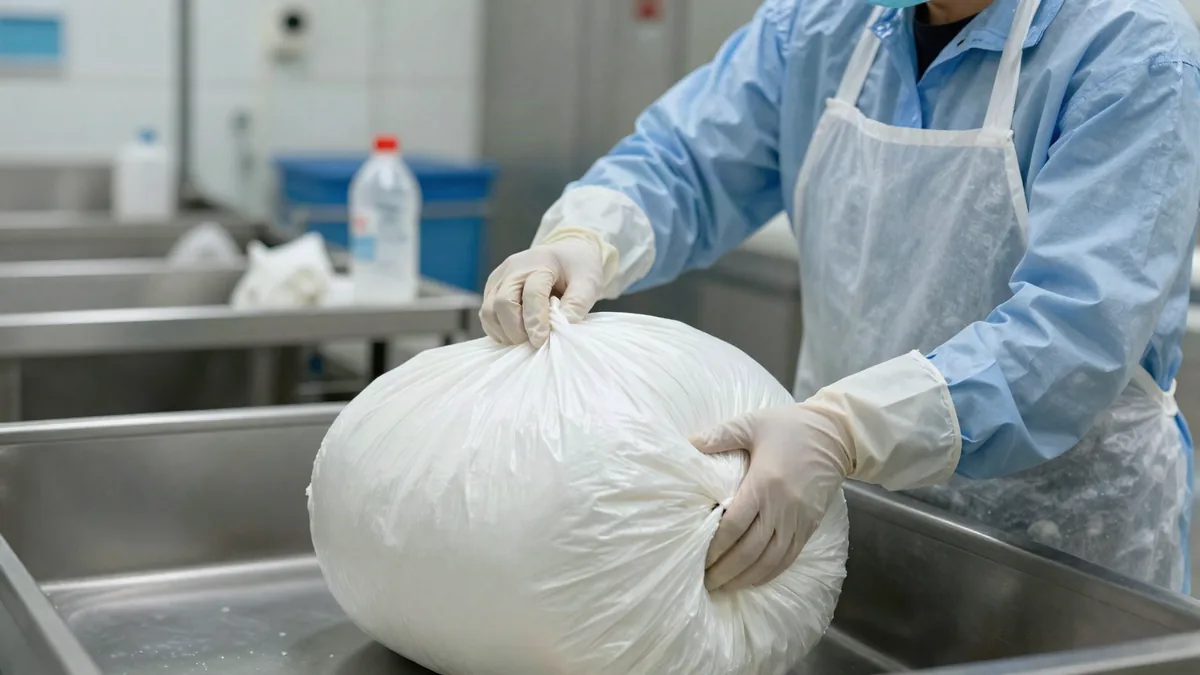
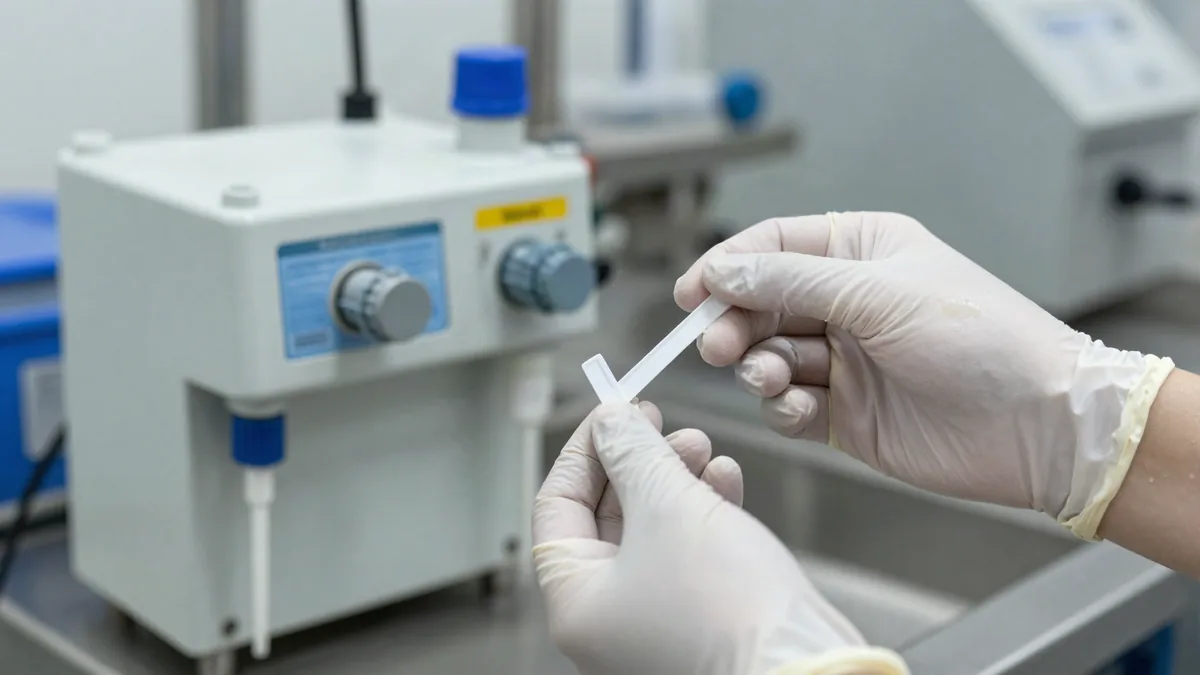
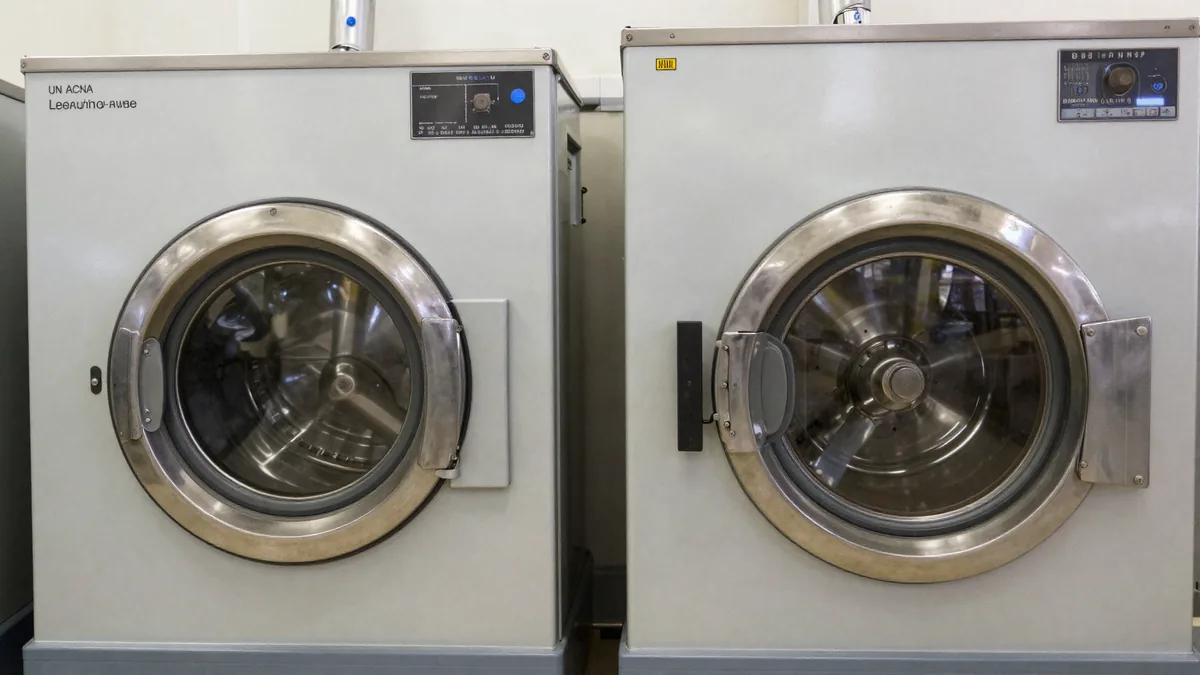
Home washing does not maintain FR certification. I'll say it flat out because I've seen plants try to save money by letting employees take coveralls home. A residential washer can't control water temperature the way an industrial batch washer can. It doesn't have the right detergent injection, and it can't do the neutralization test that ensures no flammable residue is left behind. Some industrial washers also check the water pH and conductivity after each load. That's a level of QC you don't get from a front loader.
We use a rental service that's TRSA Hygienically Clean certified. That certification means a third party audits the laundry's process. They check water temperature, detergent, rinse cycles, and they test for residual alkalinity. HLAC is more common in healthcare, but the principle is the same. And some industrial laundries chase ISO 14644 cleanroom standards. We don't need that for FR, but it tells you how obsessive you have to be about contamination.
Our rental service picks up every Friday. They inspect each garment, patch small tears, sew on snaps, and anything beyond repair goes to the recycling bin. They also track how many times each garment has been washed. That's data we never had when we tried in-house washing. We were flying blind. And let's be honest: the cost of $4 to $15 per employee per week for rental is a lot less than the medical bill for one burn.
Building a Program That Survives an Audit
An NFPA 2112 garment program isn't just a rack of coveralls. It's documentation. You need to show an OSHA inspector that you did a hazard assessment, that you selected appropriate PPE, and that you're maintaining it. We keep a spreadsheet with every garment's serial number, date of first issue, number of wash cycles, and inspection date. That sounds overkill, but when an inspector asks 'How do you know this coverall is still compliant?' you need an answer.
The standard ties into OSHA 1910.132, which requires employers to pay for PPE and ensure its proper maintenance. I've been through it. They'll look at the laundry contract, they'll look at the training records, and they'll spot-check garments on the floor. If they find a faded label or a hole, you have a problem. So we train supervisors to do a quick visual check every Monday. We also send garments back to the laundry if they come back with a stain or grease. The laundry repairs and re-certifies them with a patch. You might be surprised how many times a garment can be repaired and still meet NFPA 2112. As long as the repairs don't compromise the fabric, you're good.
When to Retire an FR Garment
The simplest retirement rule is: if it's damaged, retire it. A hole bigger than a pinhead? Retire. A broken zipper that leaves a gap? Retire. A care label so worn you can't read the washing instructions? Retire, because you no longer know how to care for it. And if it's been in an actual flash fire, even if it looks fine, retire it. That's a hard rule. The heat can embrittle the fabric invisibly.
We also retire garments on a schedule based on wash cycles. Our laundry service tracks that. Typically a garment gets 50 to 100 industrial washes before it starts to lose integrity, but it depends on the fabric and the abuse it saw. We use the laundry's data, not a guess. And we don't allow employees to take home 'their' FR gear. That's a non-negotiable. That's the line we won't cross.
A Word on Cheap Imitations
One time we bought a batch of T-shirts that claimed to be FR but weren't UL certified. We thought we were saving money. We ended up sending them to a lab, and they failed the vertical flame test. That was a wake-up call. Now we only buy from authorized distributors and we verify the NFPA 2112 label and the manufacturer's lot number. It's easy to fake a label. Don't get burned.
Key Checks for NFPA 2112 FR Clothing
| Component | NFPA 2112 Requirement | Common Mistake | Correct Practice |
|---|---|---|---|
| Certification | Each garment must be certified by a recognized lab to NFPA 2112 | Buying unbranded FR look-alikes online | Look for the UL or SGS mark, ask for the certificate |
| Labeling | Permanent label with style number, care instructions, and NFPA 2112 | Label faded or cut off after repeated washes | Inspect labels each cycle, retire apparel with unreadable tags |
| Laundering | Use a mild detergent, no chlorine bleach, limit wash temperature to 140F | Plant washes everything with industrial bleach and softeners | Wash FR separately, use an approved detergent, follow care tag |
| Retirement | Remove from service at first sign of damage, contamination, or per manufacturer's life | Keep wearing until holes or tears appear | Visual check after every wash, plus scheduled quarterly review. Retire at first defect |
Frequently Asked Questions
Can I wash my NFPA 2112 FR coveralls at home?
No. Home washing does not maintain the garment's certification. Industrial laundering with controlled water temperature and detergent is required to keep the FR properties intact. We use a TRSA Hygienically Clean certified laundry service.
What is the difference between NFPA 2112 and NFPA 70E?
NFPA 2112 covers flash fire protection. NFPA 70E covers arc flash protection on electrical equipment. A garment can be rated for both, but they're separate standards. We have some people who work both sides, so we buy dual-rated gear.
How often should FR garments be replaced?
It depends on the wash cycles and the damage. We track wash counts and do visual inspections. If a label is unreadable or the fabric has a hole, replace it immediately. After an actual flash fire, replace it even if it looks fine.
Do I have to use a rental service?
No. You can own the garments, but you still need an industrial laundry that follows strict care procedures. The NFPA 2112 certification doesn't require a rental service; it requires proper care. We choose rental because it includes inspection and repair.