Food-Safety Linen: Health Department Rules for Towels and Aprons
Bottom line: Health codes require food-contact towels to rest in a 200 ppm quat solution between uses and be laundered daily; aprons change per shift or when soiled.
a sanitizer bucket at the right concentration, not just a damp towel thrown on the counter. I've watched inspectors pull out a test strip and check quat levels right there in the kitchen. I once got cited for 100 ppm when the label required 200, because someone topped off the bucket with water instead of fresh solution. Another mistake: using the same towel for the restroom and the prep table. I had a health department rep threaten a closure over that. So my rule is color coded towels, separate buckets, and a simple log for changing the solution every two hours or when it gets dirty. Aprons are simpler: change them per shift or anytime they touch raw meat. That's it. The code is not mysterious. Restaurant Linen Service
I remember a Tuesday inspection in 2017. The inspector pointed at a wet restaurant towel draped over a prep table edge and wrote us up. That single citation cost me two hours of paperwork and one very angry district manager.
So you can guess I've got a few opinions about restaurant towel health code requirements. I've opened eleven kitchens and signed—and killed—a lot of linen contracts. This is what I wish someone had told me before my first inspection.
What the health code actually says about towels
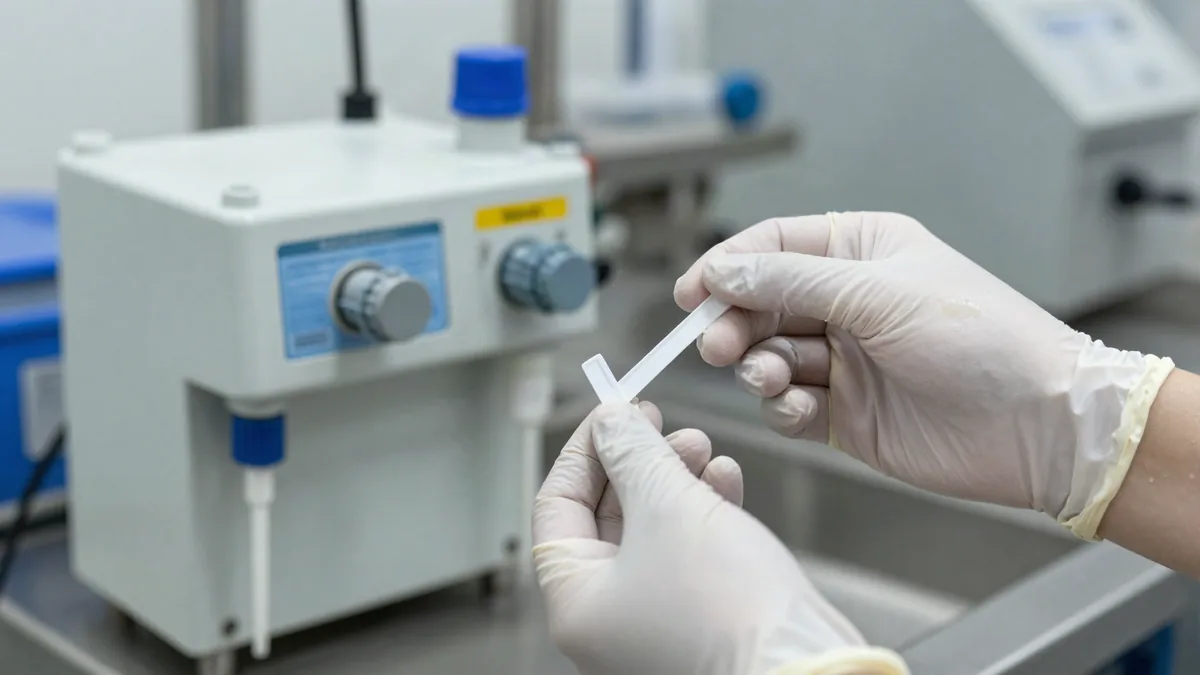
Every state and county has its own code, but the basics are almost universal. When a towel is not actively in use, it has to sit in a sanitizer solution. Not on your counter. Not draped over a rack. Not balled up next to the sink. In a bucket. The sanitizer concentration usually needs to be 50 to 100 parts per million chlorine, or whatever the label on your quaternary ammonia says. You've got to test it with a test strip, not guess. The health inspector will absolutely dip one.
Here's a list of common violations I've seen us and other restaurants get hit with: towels left on a prep table, towels used for raw meat then used for ready-to-eat food, towels stuffed in an apron pocket for hours, and sanitizer buckets that haven't been changed since yesterday. The rule is dead simple: wet towel + sanitizer bucket when you're not touching it. But people get busy, and that's how you get a red sticker on your door.
Aprons are not a costume
Aprons are a bigger deal than most people think. A lot of restaurants treat them like a uniform with a pocket. But health inspectors see an apron as a potential vehicle for cross-contamination. If you're behind the line and flipping raw chicken, your apron is going to get splattered. Then you step over to the pass and grab a bun? That's a violation waiting to happen.
The rule I operate on: change your apron any time you switch from raw to cooked or ready-to-eat tasks. If your kitchen's fast and you've got one apron for a whole shift, you're gambling. And never—I mean never—wipe your hands on your apron. That's what your towel is for. So we use color-coded aprons in some kitchens: red for raw, white for clean, blue for prepping vegetables. It's not a health code requirement, but it helps the staff remember which one they're wearing. Honestly, it saved us once during a surprise inspection because the inspector could see we had a system. Laundering, aprons need to be washed at a commercial grade. Hot water, proper detergent, and a dryer that hits high heat. A home washer and dryer just don't cut it. And here's a digression, but it matters: same goes for flame-resistant clothing. If you ever have FR garments in the kitchen— and some places have them for specific equipment — home laundering voids the certification. That's not me being fussy; NFPA 2112 and NFPA 70E are specific that only industrial laundries can maintain FR properties.
In-house laundry vs. A linen service
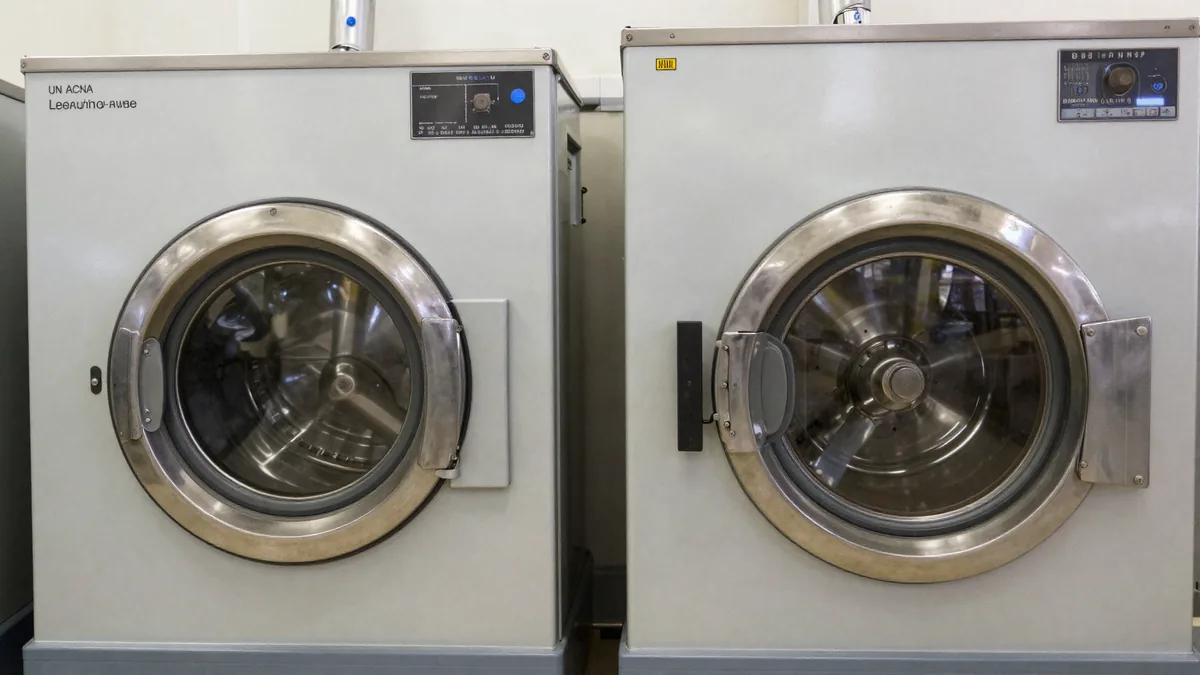
You've got two paths: wash your own towels and aprons in the kitchen, or sign up with a linen service. In-house laundry seems cheaper—until you count the labor, the hot water, the detergent, the commercial washer you'll need, and the drying time. Plus a corner of your kitchen becomes a laundry room. I've done it in a pinch, and it works, but you're going to burn a lot of staff time on load counts and folding.
A linen service, on the other hand, handles everything. The pricing model is where people get confused. Some charge per pound, some per piece, some per employee per week. Uniform rental typically runs $4 to $15 per employee per week, but for towels and aprons you'll usually see a per-piece or per-pound rate. You want to know which one you're agreeing to. Per pound sounds great until you realize they're weighting the laundry bags with water. I'm joking, but not entirely.
If you go with a service, ask for proof of their sanitation standards. TRSA Hygienically Clean is a big one. HLAC accreditation is another. And if you're handling any blood or bodily fluids—which happens in a restaurant more than you'd think—they should be following OSHA 1910.1030. Don't be shy about asking. I once had a sales guy look at me like I had three heads when I asked for his TRSA certificate. I found another company.
How to read a linen contract without crying
The contract is where the real learning happens. I've signed contracts that looked great on paper and then got hammered on overage charges. The big traps are minimums and delivery frequencies. If you sign up for three deliveries a week and only need one, you're paying for the other two. If you request a heavy week and your linen service can't handle it, you're stuck with no clean towels. The opposite problem: you get overcharged for a 'bulge' you didn't ask for.
Here's my advice from eleven kitchens: get the whole pricing model in writing, including the cost per item or per pound, the delivery fee, and any charges for loss and theft. Ask what happens if your staff forgets to return a few aprons each week. The best contracts I've had were the ones where I negotiated a flat monthly rate based on my average usage, with a tolerance band of ten percent. That way I'm not watching every single towel like a hawk.
And one more thing: don't let the salesperson rush you. A linen contract is a long relationship. You're not marrying them, but you're dating for at least a year. I've broken contracts, and it's never pleasant. Zero out the worst clauses before you sign, not after.
Build a system that survives inspection
You don't want to be scrambling the morning of an inspection. Build a system that works on its own. First, set up sanitizer buckets at every station that uses towels. Use the same chemical across all buckets so your staff only has to learn one concentration. Post a small card by the sink that says the number of squirts per gallon. We used to use a pump bottle with a measured amount, so there was no guessing. Test strips are in the same spot, always. I can't tell you how many times I've seen a bucket with no test strip in sight.
Second, make towel rules part of your daily opener and closer checklist. In the morning, you check the buckets are filled and the chemical's in there. In the evening, you drain them and wash the towels. If you outsource, you still own the process of getting dirty towels to the pickup point. A hamper or a bin that's clearly marked 'soiled linen' helps your staff know where to toss them.
Third, train your staff like you mean it. I've had line cooks who thought a towel was a personal accessory. You need to say it out loud, repeatedly: towels go back in the bucket, aprons get changed between tasks, and no one touches any towel with raw meat hands. Once it becomes muscle memory, you're not just passing inspections—you're running a kitchen that won't give your customers food poisoning. That's the whole point, anyway.
Towel Options for Health Code Compliance
| Option | Compliance Routine | Laundry Frequency | Cross-Contamination Risk |
|---|---|---|---|
| Cotton bar mop, in-house | Sanitizer bucket at 200 ppm quat, changed every 2 hours | Daily | Medium if towels are mixed by use |
| Cotton bar mop, rental service | Same bucket rules, but service picks up soiled and delivers clean | Daily | Low if color coding enforced |
| Disposable paper towels | None, single-use then discard | N/A | Very low |
| Microfiber, professional laundry | Sanitizer bucket, but microfiber needs special detergent | Daily after each shift | Low if kept separate from floor towels |
Frequently Asked Questions
What is the required sanitizer concentration for restaurant towels?
Most health departments require 50 to 100 ppm chlorine for a standard sanitizer bucket, or whatever the label says for your quaternary ammonia product. Always check your local code and use test strips to verify.
Can I wash restaurant towels and aprons at home?
Not if you want to be code-compliant. Home washers don't reach the hot water and detergent cycles required for commercial food safety, and some codes forbid laundering in residential spaces. Also, if you have FR garments, home washing voids their NFPA 2112 certification.
How often should aprons be changed in a restaurant?
At least daily, but more often if you're handling raw food or the apron becomes visibly soiled. Swap it any time you move from raw to ready-to-eat tasks. It's cheap insurance against cross-contamination.
What does TRSA Hygienically Clean mean for a linen service?
TRSA Hygienically Clean is a third-party certification that a commercial laundry meets stringent hygiene and sanitization standards. If you use a linen service, ask for their certificate. If they can't produce one, find someone who can.