Casino, Resort and Country Club Linen Programs
Bottom line: Successful resort linen service for casino, resort, and country club properties depends on outlet-level par tracking and a laundry vendor that can process 12,000 pounds weekly.
Saturday morning's text was just the warm-up. On a busy holiday weekend, the pool desk can burn through 400 pool towels by noon, and if my par is set for a normal Tuesday, we're already in the hole. I've seen housekeeping directors panic and double their par, which only means more laundry sitting in carts and more lost items. The real fix is tracking usage by outlet, not by floor. My staff does a daily count at the pool, the casino cage, the golf shop, and the banquet storeroom. That data sets the par, and I adjust it monthly. It's not glamorous, but it beats the alternative. Hotel Laundry Service
It's 6:48 on a Saturday morning, and my phone's already lit up with two texts. The casino pool desk says they've got three pool towels left, and the housekeeping director on the 14th floor needs more washcloths than our par list allows. I know that can't be real, but it is—because half the casino's bar backs are using terry towels to polish pint glasses. That's when the day starts, and I'm the one managing it.
I've been in rooms for 22 years, 15 of them at this 430-room convention resort. We're a full resort with a casino, a golf course, a country club, and 40,000 square feet of banquet space. Every week we go through roughly 12,000 pounds of linen—give or take a thousand. Sheets, tablecloths, napkins, spa towels, pool towels, kitchen uniforms, and the casino's own cloth. Most people think resort linen service is about dropping off clean stuff and picking up dirty stuff. It's not.
It's a logistics operation with a chemistry lab and a contract lawyer inside. And if you're reading this because you've got a casino, resort, or country club, you need to know what you're actually buying. Otherwise, you'll get washed out.
What a Resort Linen Service Actually Covers
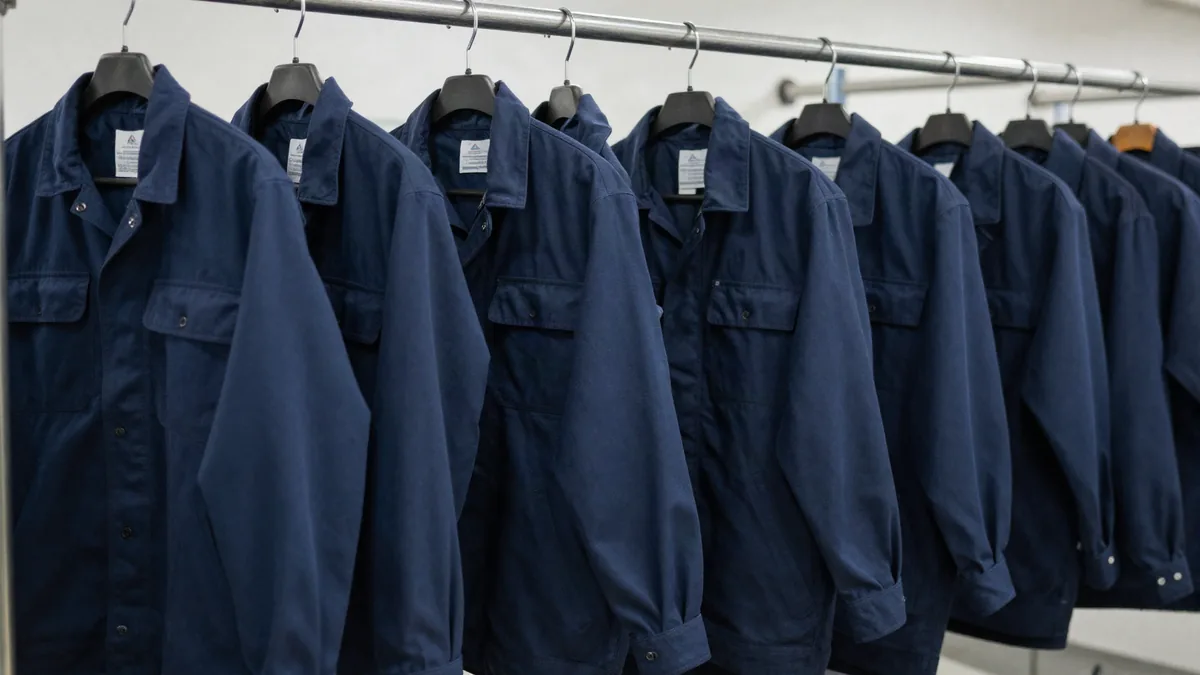
First, understand that your linen inventory is not one thing. It's got guest room sheets and pillowcases, duvet covers, and the top sheets that always get kicked to the floor. It's got F&B tablecloths in four different sizes, napkins, kitchen towels, and bar wipes. The spa uses heavy-weight terry robes and slippers; the pool has its own lighter-weight towels that disappear like crazy. And the casino? Waitstaff aprons, chip runner jackets, and those small card room towels that people steal as souvenirs. Each of these categories has its own soil pattern, its own wash chemistry, and its own par level. You can't treat them all the same.
Pricing depends on the plant, but you'll see three models: per piece, per pound, and per stop. Per pound is common for terry and sheets, but it can be a trap if your staff is tossing wet towels on the floor—wet cotton is heavy. Per piece is more predictable, but you've got to have accurate counts, which means a decent inventory system. Some companies add a per-stop fee for delivery and pickup, so a daily stop can cost more than you think. In a resort, you'll likely end up with a hybrid: per-pound for towels, per-piece for table linen. That's what we've used for years.
Don't be shy about asking the laundry manager what they do with a stain load. If they can't give you a straight answer about pre-sort and wash chemistry, find another plant. We've gone through three in my time here, and the good ones are transparent about their processes.
Uniforms, Flame-Resistant Gear, and Why Home Laundry Is a Liability
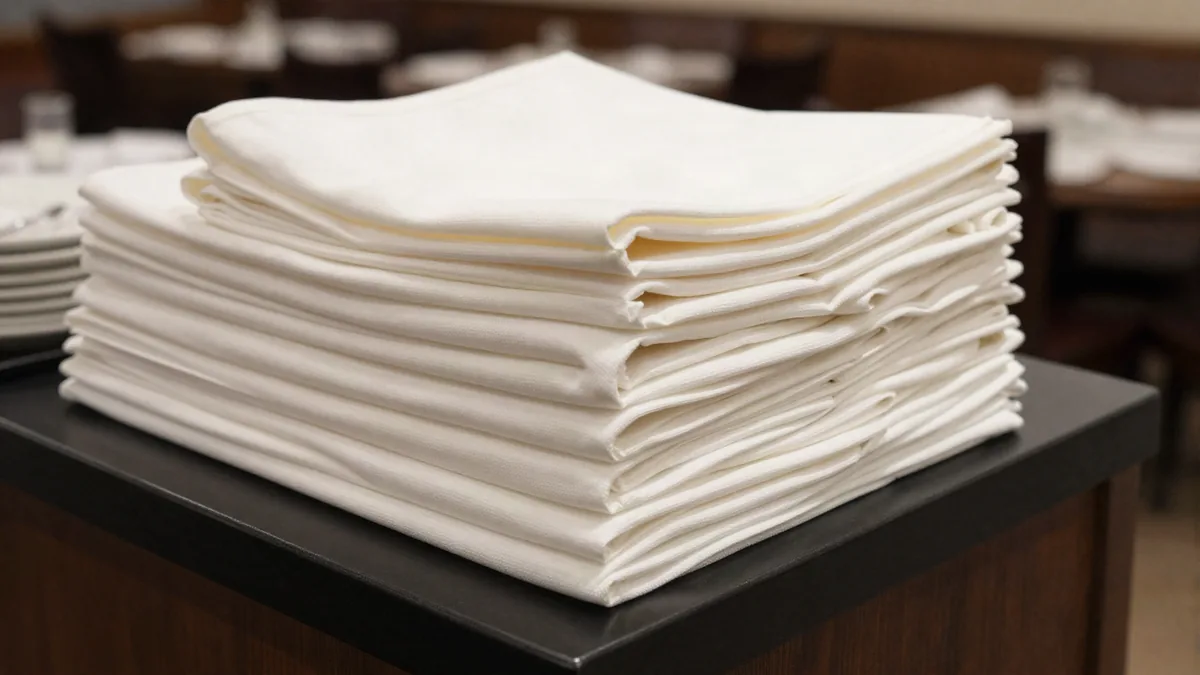
Here's where I get on my soapbox. If your property has employees wearing flame-resistant uniforms—think kitchen cooks, maintenance engineers, even casino security who might deal with electrical panels—do not let them take those garments home. Home washing with regular detergent and fabric softener can break down the FR finish and leave residue that makes the garment fail NFPA 2112 or NFPA 70E testing. The certification assumes the garment is industrially laundered according to the manufacturer's specs. I've seen a cook's uniform come back looking fine but covered in wax from a dryer sheet, and he had no idea he was losing his protection.
So how do you handle it? Most resorts rent uniforms from a linen service. That's a per-employee-per-week rate, call it $4 to $15 depending on the garment, and the plant owns everything. They track the FR lifespan, do the visual inspection, and handle repair or replacement. If you'd rather own your uniforms, you still have to send them to a commercial laundry that's certified to process FR gear. Ask for that certificate in writing; don't settle for 'of course we do that.'
And for the rest of your uniforms—valets, servers, housekeepers—rental is usually still easier. You pay for the monthly pickup and delivery, and you don't have to buy a year's worth of uniforms upfront. That's real cash you can spend on pool floats.
Certifications That Matter (and the Ones That Don't)
Not every certification is relevant to a casino or resort. If you've got an on-site medical center or a spa doing treatments, you want a linen plant that understands bloodborne pathogen handling under OSHA 1910.1030. TRSA's Hygienically Clean certification is the one I look for—it's a third-party audit of the whole process, from wash to finished product. HLAC accreditation is more for healthcare laundry, but it's a good sign if a plant has it because it means they're serious about sanitary processing.
For technical textiles, NFPA 1851 is firefighter turnout gear, which you won't need unless you have a full fire brigade. But if the casino has an in-house EMT or the engineering shop deals with arc flash hazards, you need a plant that can handle the gear and can prove it. And ISO 14644 is used for cleanrooms, which is probably overkill; that's for pharmaceutical or aerospace stuff. Don't let a sales rep wow you with fancy acronyms. Ask them directly: 'Are you TRSA Hygienically Clean? Do you have a process for handling OSHA 1910.1030 exposure?' The answer should be a short yes, not a 10-minute pitch.
How to Choose a Linen Company Without Getting Burned
Your linen contract is twenty pages of fine print, and I've read more than a few. The main trap is the shrinkage clause. The laundry will quote a low price per pound, but then they'll expect your loss percentage to be near zero. In a working resort, linen gets stuffed into suitcases, buried under flower arrangements, and thrown out with the trash by mistake. You need a contract that gives you a reasonable shortage allowance, say 5% or so, and then charges a fair fee for anything above that. If the only way they make money is by charging you for 'lost' napkins, that's a problem.
When you're comparing bids, don't just look at the per-pound rate. Ask about the stop fee, delivery frequency, and what happens when your occupancy spikes. A big convention weekend with 400 extra guests and a Saturday wedding at the country club can double your linen volume overnight. Your plant has to have the capacity to flex, and they need to have consistent quality control when they're running at 80% capacity. Some of the big national uniform companies like Cintas and Aramark offer complete programs, but I've also had great luck with a local independent plant that services two other hotels in the area.
And don't forget the 'green' laundry claims. It's fine if they use low-temperature wash or ozone, but ask them what they're actually doing. A lot of places talk sustainability but still bleach everything. A good operator will walk you through the chemistry and the filtration.
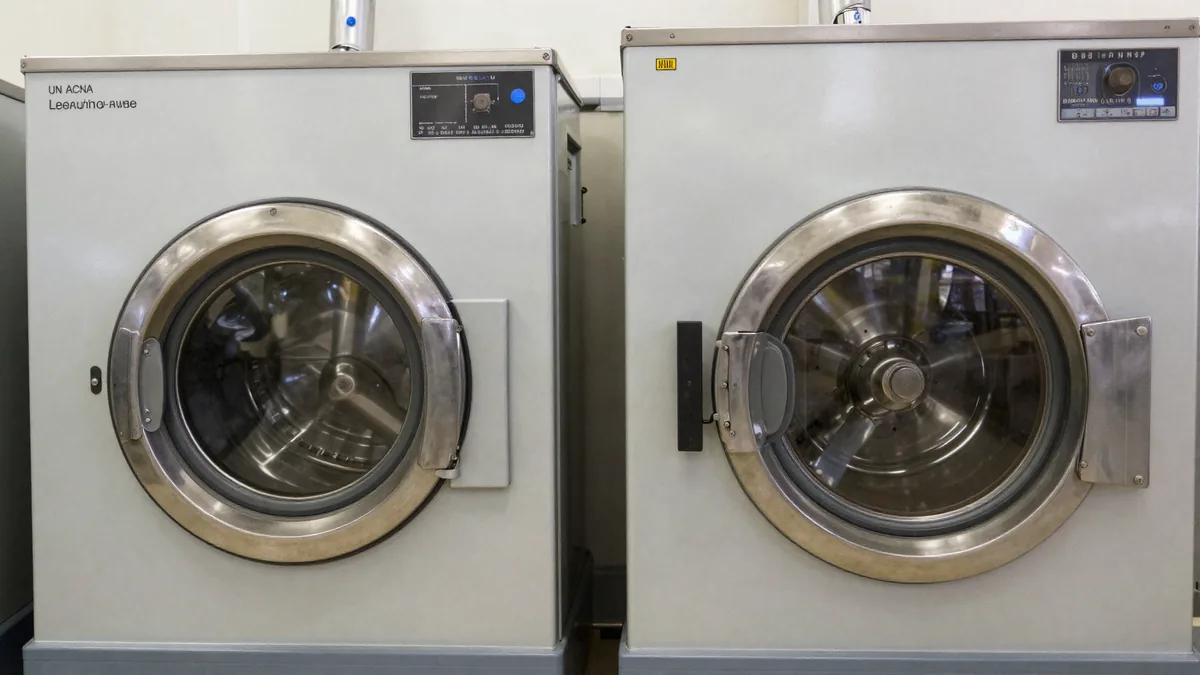
Linen Program Models at a Glance
| Model | Upfront Cost | Cost per Pound | Turnaround | Best Use |
|---|---|---|---|---|
| In-House | $150,000-$300,000 | $1.00-$1.50 | Same day | High volume, steady demand |
| Full-Service Rental | $0 | $1.80-$2.50 | 24-48 hours | Seasonal peaks, minimal capital |
| Hybrid | $40,000-$80,000 | $1.20-$1.80 | Same day for core, 24 hours for specialty | Busy properties with specialty items |
Frequently Asked Questions
How often should resort linens be delivered and picked up?
Depends on your volume and storage, but for a property our size we get daily deliveries, six days a week. Some smaller country clubs can do two or three times a week. The key is having enough par to cover the gap.
What's the difference between per-pound and per-piece pricing for resort linen service?
Per pound is simple but can cost you when linens are wet or heavy. Per piece is more predictable but requires accurate counts. Most full-service resorts use a hybrid—per-pound for terry, per-piece for table linen.
Why can't staff wash their own FR uniforms at home?
Home washing with regular detergents, fabric softeners, and dryer sheets can degrade the flame-resistant finish and leave contaminant residues that affect its performance. NFPA 2112 and 70E require industrial laundering per the manufacturer's instructions. In short, it won't meet any safety standard if it's laundered at home.
What certifications should a resort linen service have?
Look for TRSA Hygienically Clean, and if you have any medical or spa services, HLAC is a plus. For FR garments, ask if their plant is certified to handle NFPA 2112 gear. Don't let someone talk you in to 'basic' hygiene when you're serving hundreds of guests.