Peak Season Surge Capacity: Getting Your Vendor to Scale in Time
Bottom line: Get your vendor to sign a peak-season capacity rider: guaranteed minimum par, 90-day advance ramp-up, and penalty for shortages.
The most expensive call you'll make all summer is the one to your linen vendor asking for 500 extra sheets on a Tuesday afternoon. I've been on that call. Our property was at 98% occupancy, the plant was running three shifts, and the answer was no. The mistake wasn't asking late; it was building a contract that assumed shoulder-season par levels would cover peak. You don't need a bigger vendor. You need one contractually required to scale with you, with specific numbers for extra inventory, delivery frequency, and turnaround times written into the agreement. If that's not in place, you're not managing capacity, you're gambling. I've seen that gamble leave housekeeping counting sterile towels to cover surgery packs. The penalty is overtime wages, emergency purchases, and a reputation with group sales that won't recover. Hotel Laundry Service | Airbnb & Vacation Rental Laundry
Last July, our property hit 100% occupancy for four nights straight. I was in the linen room at 5:45 a.m., counting bath towels like a casino dealer counts chips. We were four hundred short, and my vendor's dispatcher didn't pick up until the third ring.
That morning taught me something. We'd been running on a linen contract built for our shoulder season, not for convention peak. If you're a housekeeper or a GM, you already know the feeling. The rush is coming. The question is whether your linen service can scale with you — or whether you'll be doing the same scramble.
Peak season isn't just more rooms sold. It's more restaurant covers, more pool towels, more banquet cloth for event spaces. The math changes. And if you don't plan for it, your vendor's plant will plan for their own schedule, not yours.
Why the surge breaks your linen cycle
In a 430-room resort, a 'normal' day means I've got about 320 rooms to service, give or take. Each double queen uses roughly a dozen pieces — sheets, pillowcases, bath towels, hand towels, washcloths. That's close to 4,000 pieces a day, just for bedrooms. Add restaurant napkins and pool towels, and you're pushing 5,500 pieces daily.
Now fill every room and add a convention that runs Thursday to Sunday. Rooms turn over faster because checkout and check-in overlap. That same 430-room property can hit 1.2 turns per day, which means my linen room is processing nearly 7,000 pieces. And let me digress for a second: banquet linen is its own beast. The sales team books a 1,000-person gala with two weeks' notice, and suddenly I need 800 tablecloths and 4,000 napkins, clean and pressed. That's not a 'next Tuesday' problem. That's a 'by 4 p.m. Today' problem.

Capacity lives on your vendor's wash floor
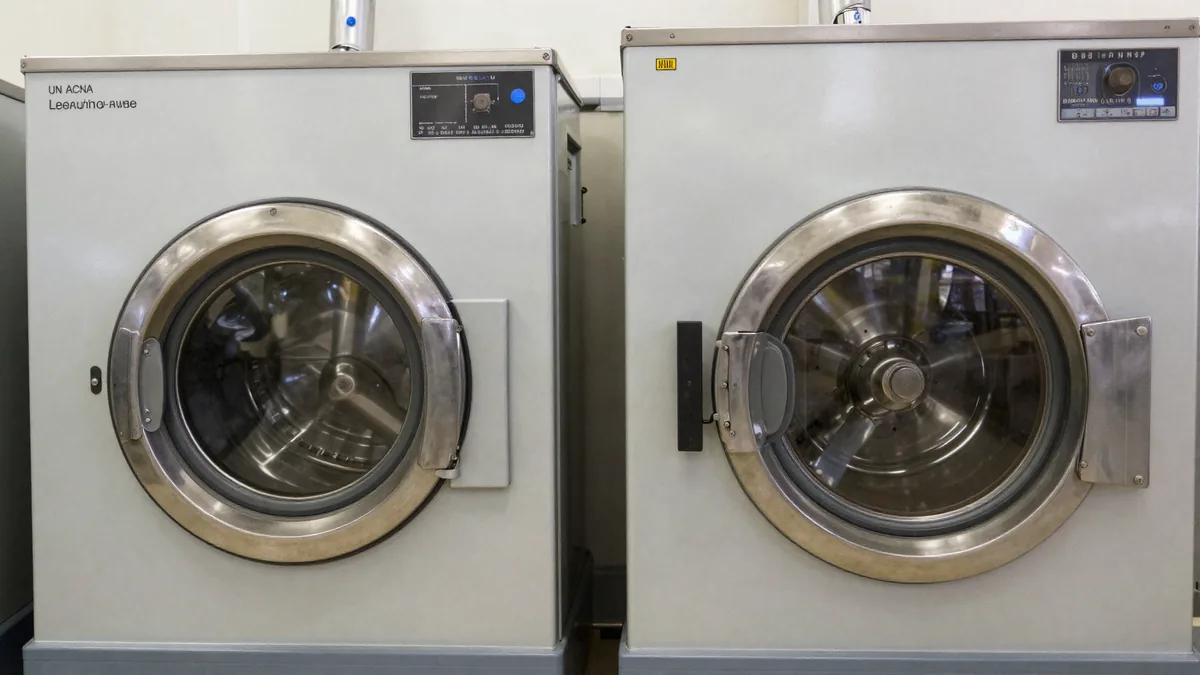
Linen service is a volume game. Your vendor's plant has a rated capacity — call it pounds per hour, number of wash tunnels, or pieces per shift. Ask your rep what their plant's current utilization is. If they're running at 85% on a normal Tuesday, they don't have spare capacity for your surge.
Most vendors run a couple of shifts during peak season, but that comes with overtime labor and machine wear. They'll find you extra linen if you've agreed on a forecasting cadence. Send your occupancy forecast 90 days out, then update it weekly. A good vendor will order extra inventory from their textile supplier based on your numbers. But they can't do that if you treat your contract like a year-long afterthought.
This is also where you separate the serious operators from the middlemen. A vendor with TRSA Hygienically Clean accreditation has to document their entire process, from soiled linen handling to final finishing. That means they're tracking their own capacity and quality. If they can't tell you their plant's load, that's a red flag.
Flexing your contract before the rush
The contract is where you win or lose. I've been on both sides — I've signed contracts that didn't have a surge clause, and I've paid emergency delivery fees because I didn't plan. Now I make sure every agreement includes peak-season language.
First, look for a minimum weekly volume plus an estimate of peak volume. Some vendors offer a 'surge option' where you pay a standby fee — call it 5% of your monthly spend — to guarantee extra capacity during specific dates. Second, agree on safety stock. We keep an extra 10% of par on-site during peak, which cushions us for the unexpected. Third, set a delivery schedule that ramps up: instead of five deliveries a week, you might go to six, with a Saturday drop.
And don't forget the contact tree. I have my vendor's plant manager's cell number, not just the customer service line. When things break, you need someone who can walk to the wash tunnel and check on your order.
The price of peak capacity
Peak capacity is not free. Uniform rental for housekeeping runs $4 to $15 per employee per week, depending on the quality and service level. But for surge linen, you're usually looking at a different pricing model: per pound, per piece, or per delivery. Your vendor will tell you their 'overage rate' — often 20% higher than your contracted rate.
Here's the thing: paying that isn't a failure. The alternative is running out, refolding paper napkins in the ballroom, or watching a front desk agent hand a guest a hand towel because we're out of bath towels. Budget for emergency capacity the way you budget for weather. You don't necessarily want to use it, but you'd rather have it.
We also split our overflow between two vendors now. Our primary line covers our daily needs; the secondary line handles banquet spikes. That's not a disloyalty thing — it's a hedge. And it lets my primary vendor know they're not my only option, which tends to make them more flexible.

Peak Season Capacity Options Compared
| Option | Upfront Cost | Lead Time | Reliability | Best For |
|---|---|---|---|---|
| On-site extra par | 15-20% above normal inventory | 1-2 months to order | High if space and staff are available | Properties with storage and a stable headcount |
| Vendor surge addendum | 5-10% surcharge on peak rates | Negotiate at least 90 days out | Medium to high, enforce with penalties | Operators who want accountability |
| Spot rental linen | 20-30% above contracted rates | 5-7 days notice | Low, depends on what's in stock | Last-minute one-off events |
Frequently Asked Questions
How far ahead should I tell my linen vendor about peak season?
Give them your occupancy forecast 90 days out, then confirm 30 days before. They need lead time to order extra textiles from their mill.
What's a reasonable safety stock level?
We run an extra 10% of par during peak, but the right number depends on your turn times and how far the plant is. If they're a two-hour drive, you need more.
Will I be charged extra for peak capacity?
Usually yes. Expect an overage rate or a surge fee. Some vendors offer a standby capacity option for a percentage of your monthly spend.
How do I know if my vendor can handle the volume?
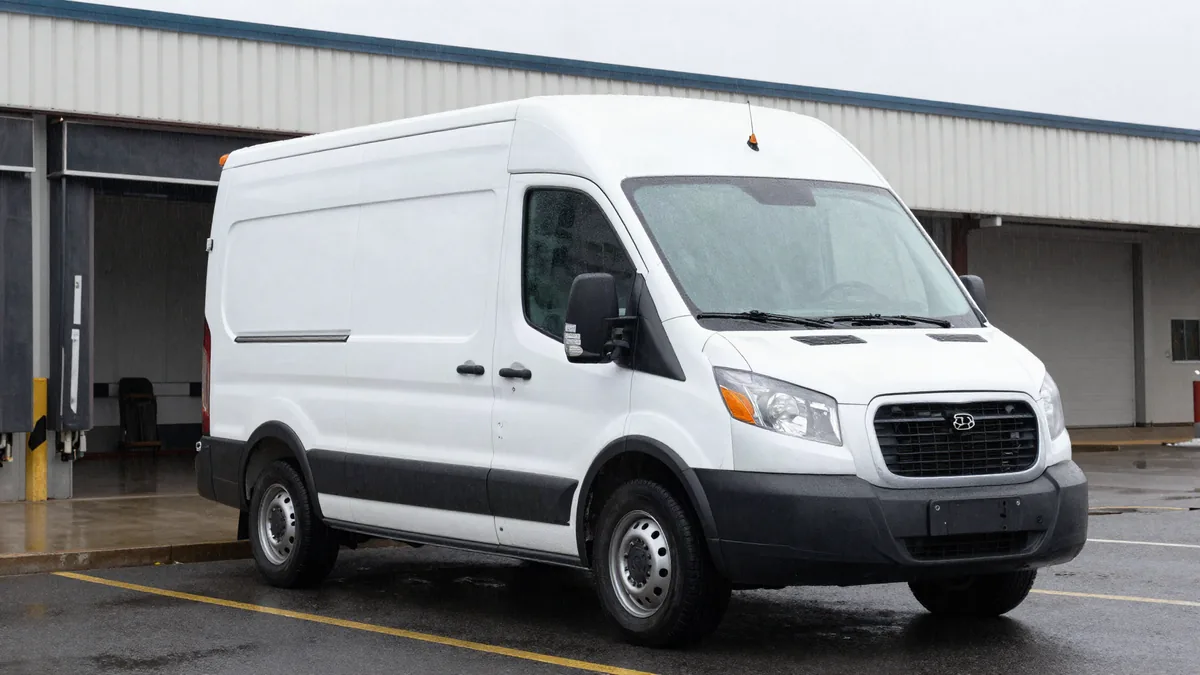
Ask for their plant's capacity and current utilization. Look for TRSA Hygienically Clean or HLAC accreditation. And check their delivery fleet—can they physically get you more trucks?