Linen Service vs Commercial Laundry vs Uniform Rental: Which Do You Need?
Bottom line: Own your linens? Use commercial laundry. Want to rent them? Use a linen service. Uniform rental is separate. Cost depends on volume and quality.
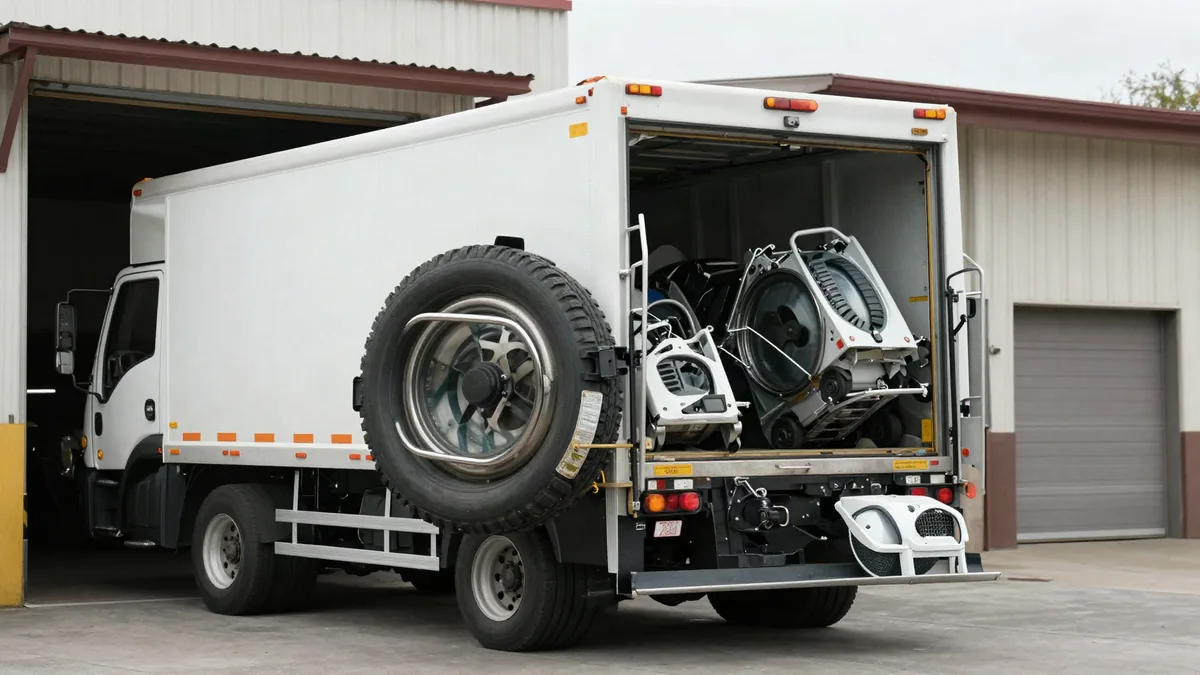
When I bought this place six years ago, the previous owner had a route of 14 restaurants that all thought they were getting linen service. The difference hit them when one pub's bar towels went missing and the owner came to me for replacements. I had to break it to him: I wash what you give me, I don't supply it. That's the mistake I see most. You walk into a hotel and the sheets are white, you assume the company that washes them owns them. In most cases, the hotel owns the sheets and pays a laundry like mine to process them. A linen service instead owns its inventory and rents it to you. The pricing looks similar on the invoice, but the liability and the quality control are completely different. I'll tell you exactly which one you need. Restaurant Linen Service | Hotel Laundry Service
Last Tuesday, 4:17 a.m., I'm standing in front of my 60-pound UniMac, stacking a load of bar towels from a local pub. A sales rep from a linen company had just asked if I wanted to handle their overflow. That call got me thinking—most business owners don't know the difference between linen service, commercial laundry, and uniform rental. I've been running wash-and-fold routes out of my 4,000-square-foot store for six years, and the confusion is constant.
Here's the thing: these three services overlap, but they're not interchangeable. A restaurant that needs clean tablecloths every week is not the same as a factory that needs fire-resistant coveralls washed after every shift. And neither is the same as a hospital that needs surgical drapes processed under strict hygiene standards. Choosing the wrong one costs you money, time, and sometimes safety.
This isn't marketing fluff. It's the difference between a clean towel and a compliant garment. Let me break it down the way I explain it to my customers over the counter.
The Short Definitions
Linen service rents you the linen and handles it. You pay a weekly rental fee, they deliver a set number of tablecloths, napkins, sheets, or towels, and they take back the dirty ones. You never own the linens. Commercial laundry processes your own goods. You drop off or they pick up your towels, uniforms, or mats, they wash them, and you get back the same items, not a rental replacement. Uniform rental is a specialized offshoot of linen service—they provide the garments, clean them, replace them when worn, and often repair them. Call it a full-service lease for work clothes.
The lines blur. A lot of companies offer both linen service and commercial laundry from the same plant. Some uniform rental companies also clean shop towels and floor mats. But the core question is ownership. Who owns the stuff in the wash? If you don't own it, you're renting a service. If you do, you're paying for processing.
That sounds simple, but it gets complicated fast. A hotel might rent sheets (linen service) but send guest laundry off-site. A garage might rent shop towels but own its uniforms. I've seen contracts where a customer was paying rental fees on items they'd bought outright because nobody read the fine print.
Who's Actually Buying Each Service
Restaurants are the classic linen service customer. They need white tablecloths, napkins, and bar rags that look perfect every time. The linen company owns the inventory, so stains and tears are their problem—the restaurant just pays a weekly rate. For a busy place doing 200 covers a night, that's simpler than maintaining a laundry room.
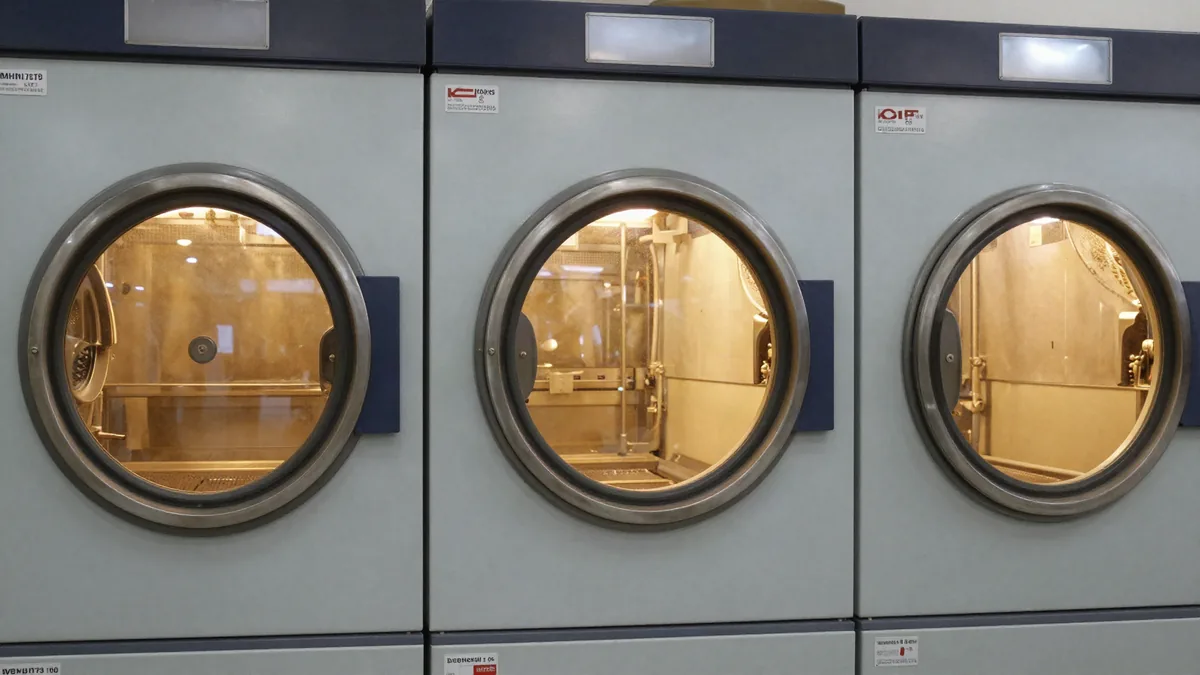
Commercial laundry serves businesses that own their textiles. Gyms with their own towel stock, spas with branded robes, small hotels that bought their own linens to save money. They need consistent washing, but they want their specific items back. My wash-and-fold routes handle this for a few dozen local businesses. Pricing runs per pound, give or take, and we're doing 8,000 pounds a week across all routes.
Uniform rental is a different beast. Think factories, construction crews, and maintenance teams. You don't want your employees hauling dirty coveralls home. A service like Cintas or UniFirst provides the garments, picks up the soiled ones, and delivers clean, repaired uniforms. The big sell is compliance—especially for flame-resistant clothing. NFPA 2112 and NFPA 70E cover FR garment performance, and industrial laundering is the only way to maintain that certification. Home washing voids it.
Now here's the digression I make to every customer who asks: don't confuse 'industrial laundering' with 'commercial washing.' A 60-pound washer in a strip mall is commercial laundry. Industrial laundering means a facility set up specifically to process heavily soiled workwear—with wash formulas, inspection stations, and traceability. That distinction matters more than the label on the truck.
Pricing Models, Not Price Tags
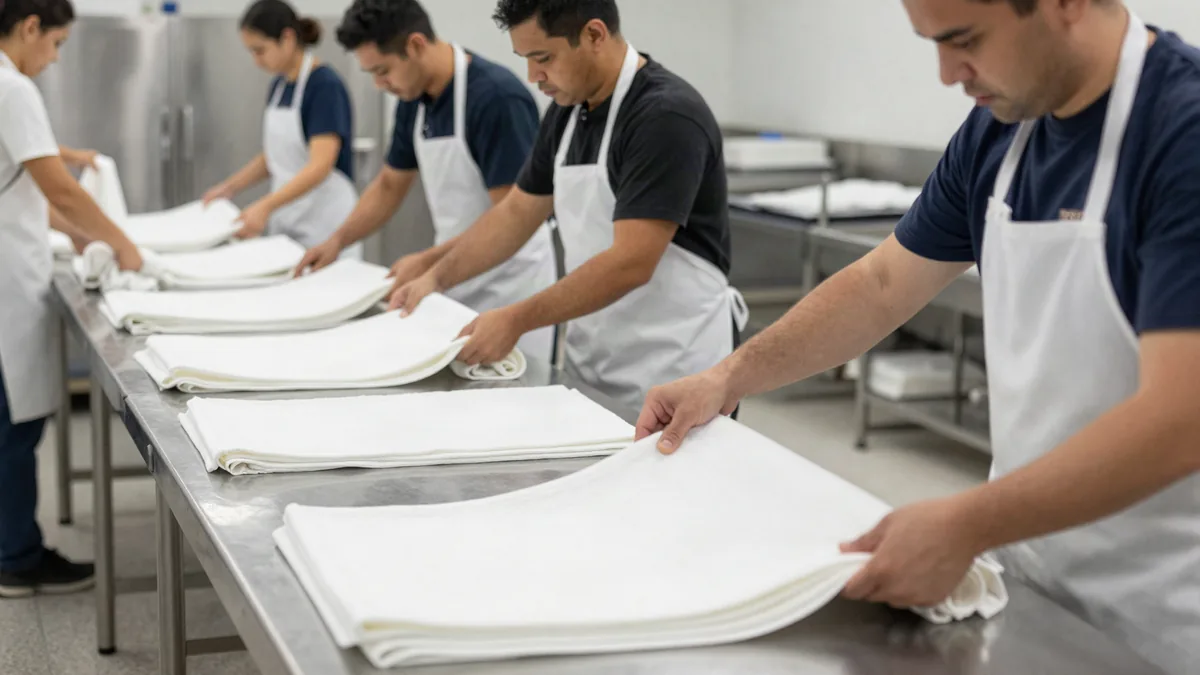
Nobody can quote a single price without knowing your volume, soil level, and turnaround. But the pricing models are consistent. Linen service charges per piece or per item per week. You pay for the rental, laundering, and delivery bundled together. Commercial laundry charges per pound, sometimes with a minimum per bag or per stop. That's how I quote my routes—$1.25 a pound for mixed linen, but heavier stuff like fire blankets goes higher. Uniform rental charges per employee per week. That typically runs $4 to $15 per head, depending on the number of garments and the industry. A five-day uniform with FR coveralls lands at the high end.
The catch is always the same: minimums and commitment. Linen companies often require a weekly minimum and a contract term. Commercial laundry might charge for stops under a certain weight. Uniform rental contracts can lock you in for years, and early termination fees are brutal. I've seen a customer pay off a three-year contract after the first month because they thought they could cancel. Read the service agreement like it's a mortgage, because it feels like one.
And watch the overage charges. With linen service, you're renting a set number of pieces. If you run out mid-week, that's your problem. If you order extra, that's a premium. With commercial laundry, the per-pound price can slip up if your loads are wetter than expected—they bill by processed weight, not dry weight. A good vendor tells you that up front.

Certifications, Safety, and Why It Matters
If you're just cleaning mop heads and aprons, certification is a nice-to-have. If you're handling healthcare linens or FR clothing, it's non-negotiable. For healthcare, look for HLAC accreditation (Healthcare Laundry Accreditation Council) or TRSA Hygienically Clean certification. These aren't decorative badges. They mean the plant follows specific protocols for water temperature, chemical dosing, handling of clean versus soiled, and staff training. They also mean the plant lets inspectors in and publishes the results. Don't ask if a laundry is 'clean.' Ask for their certification and check the date.
For FR clothing, the standard is NFPA 2112 for flash fire protection and NFPA 70E for electric arc flash. A uniform rental company that claims to maintain FR garments must follow the manufacturer's laundering instructions and verify the garment's integrity after every wash. That includes inspecting for damage, measuring garment shrinkage, and tracking washer temps. Home laundering or a regular commercial wash invalidates the certification. If an employer tells you they'll just wash FR uniforms at the local laundromat, that's a lawsuit waiting to happen.
One more piece: NFPA 1851 is for firefighter turnout gear, and that's a completely different animal. Those guys need special extraction washers and verification. If someone brings you bunker gear and asks for a quick wash, don't do it. That gear needs a certified specialty plant. We refer those to a regional outfit. And if you're dealing with sensitive environments like cleanrooms, look for ISO 14644 compliance on the facility, not just a promise.
The Fine Print That Bites
Here's where I've seen businesses get wrecked. Routes and delivery schedules. Linen service and uniform rental usually come with fixed delivery days. If your busy Saturday hits a holiday that falls on your delivery day, you're out of luck. Some contracts have a force majeure clause that lets them skip without penalty, but yours won't. Commercial laundry is more flexible if you have a local processor, but you're on their schedule too.
Shrinkage and loss. With linen service, the vendor owns the inventory, so they care about tracking it—you get billed for what you use, and missing items are their problem. With commercial laundry, you own the inventory. If our washer eats a sock or a sheet goes missing, that's a budget line you didn't plan for. I've replaced hundreds of dollars in lost bar towels for customers, and I'm not even the one who lost them.
Then there's the 'medical' premium. If a vendor knows you're in healthcare, the price jumps. That's not greed—it's insurance, testing, and training. But make sure you're getting the documented standards, not just a sticker on the door. A plant that claims HLAC but can't show you the certificate is just a plant with a sticker.
Service Models at a Glance
| Feature | Linen Service | Commercial Laundry | Uniform Rental |
|---|---|---|---|
| Ownership | Linens owned by service | You own your linens | Uniforms owned by rental company |
| Pricing | $1 to $4 per piece | $0.80 to $2.50 per pound | $6 to $15 per employee per week |
| Included | Delivery, cleaning, replacement of worn items | Wash, dry, fold, press only | Cleaning, repairs, replacement |
| Best for | Hotels and restaurants without inventory cost | Facilities with their own linens and high volume | Companies that want uniform management outsourced |
Frequently Asked Questions
Can I wash FR coveralls at home?
No. Home laundering voids the certification. Industrial laundering per the manufacturer's instructions—and verified by the uniform rental company—is required to maintain NFPA 2112 or NFPA 70E compliance.
What's the difference between HLAC and TRSA Hygienically Clean?
Both certify healthcare laundry processes, but HLAC is an accreditation specifically for healthcare linen plants. TRSA Hygienically Clean applies to healthcare as well as hospitality and other sectors. Both require audits and ongoing testing, so ask to see the certificate.
How much does uniform rental cost?
Typically $4 to $15 per employee per week, depending on the number and type of garments. FR gear and multi-day uniforms sit at the high end. The price includes cleaning, repairs, and regular delivery.
Should a restaurant choose linen service or commercial laundry?
If you own your linens, use commercial laundry. If you want a guaranteed supply without buying inventory, linen service. For a high-volume restaurant, linen service is usually simpler, but compare the per-piece rates and contract terms.