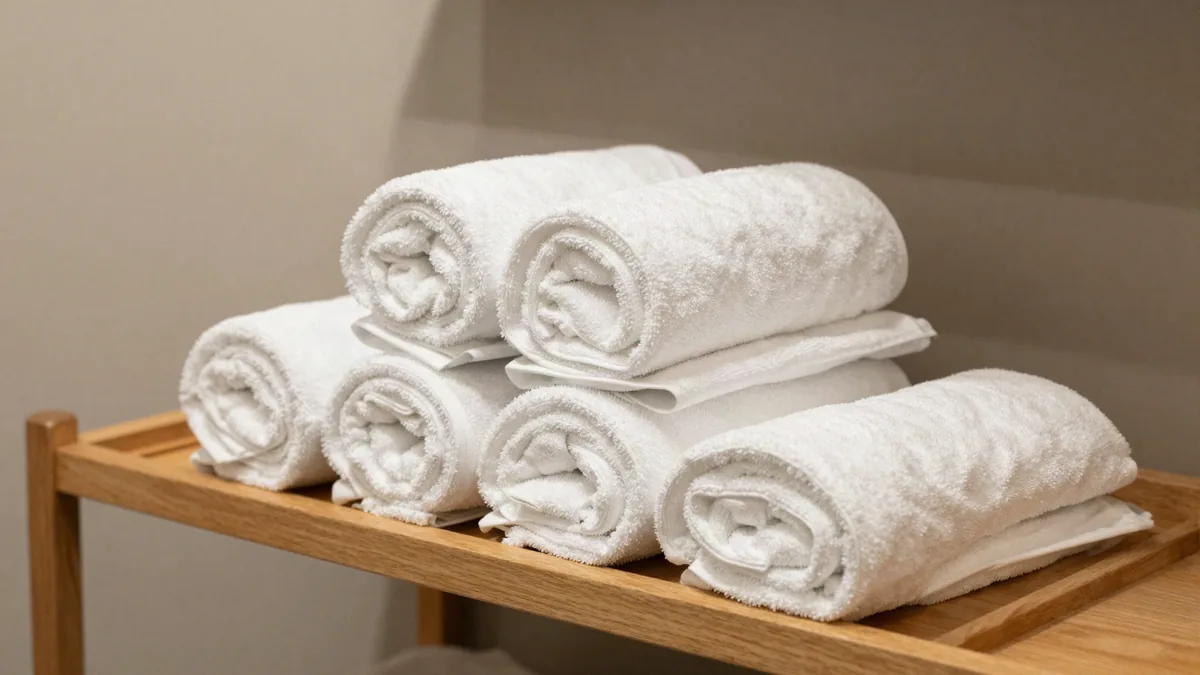
Automotive Shop Towel and Mechanic Uniform Service
Bottom line: Professional shop towel service removes embedded metal and chips that in-house washing misses, typically costing 25 to 40 cents per towel but cutting hand injury claims and wash labor.
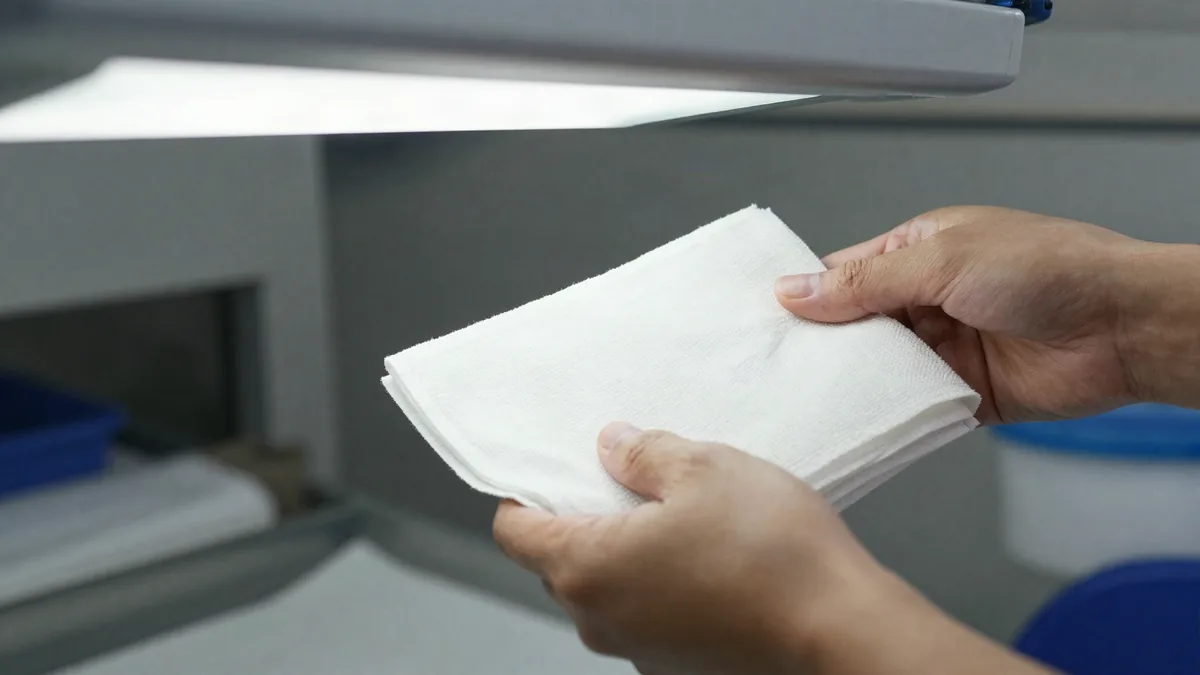
e difference right away. The first week I checked every returned towel under a bright light. Found zero burrs, zero slivers. Our old wash cycle ran at 140 degrees and used a cheap detergent that couldn't break down the grease trap in the weave. The service heats to 180 and uses a solvent-based emulsion that pulls metal particles out, then they magnetically scan each batch. That sounds like a sales pitch, but I watched them do it on a tour. The cost is higher per towel, but you don't buy machines, detergents, or pay the guy who used to run the washer. In our shop, that was me. Now I'm signing invoices instead of bandaids. That trade works for any shop that cares about hands. Industrial Laundry Service
Last Tuesday I pulled a shop towel out of a bin and found a stainless burr the size of a rice grain deep in the weave. It had made it through our own washer and dryer. That little bastard was a cut waiting to happen. We'd been doing towels in-house for years, and I was the guy signing off on the process.
It's not just about getting the grease out. For a metal fabrication shop, towels are everyday PPE in a weird way. They wipe metal chips off your hands, soak up coolant, polish parts. If they're not cleaned right, they become a hazard. That's why we switched to a professional shop towel service. And once we did, we started to see the same logic apply to our FR uniforms.
Why In-House Towel Laundry Falls Apart
Look, I get the temptation to buy a stack of red rags from the local supplier and toss them in a washing machine in the back. Done it myself. But it doesn't work out. Your average shop washer can't get the temperature high enough to kill bacteria or break down heavy petrochemicals. The water quality varies. The detergent is a guess. And the accountability? Zero. You don't know what's been embedded in that towel after a day of grinding or sanding.
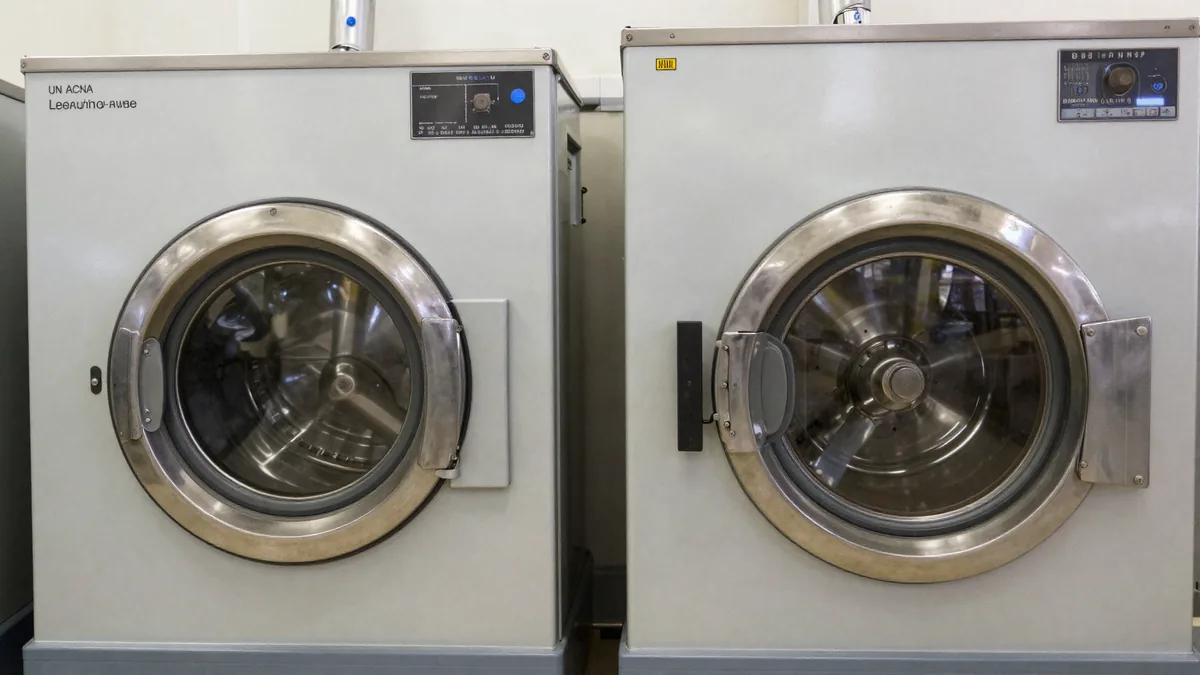
When you use a professional shop towel service, you're paying for a process, not just a clean rag. They pick up soiled towels, sort them by soil level, and wash them at temperatures that would warp a domestic machine. They inspect every piece and pull out anything with rips, metal shavings, or chemical residue. That's not a sales pitch—it's what the TRSA Hygienically Clean certification actually checks. We've seen our own towels come back with blue paint spots that survived our home setup. That stopped after we switched.

The FR Uniform Problem (and How Service Fixes It)
Here's where most metal fabrication managers screw up. They hink they can launder FR coveralls and uniforms at home or in a commercial washer on-premises. That's dangerous and flat-out wrong. Home laundering with chlorine bleach degrades flame-resistant fibers. It can void the garment's certification under NFPA 2112. And if you're putting workers in FR clothing for arc flash protection, NFPA 70E expects the equipment to be maintained as designed. An industrial laundry service uses the right detergents, water temperatures, and inspection routines to keep the FR barrier intact.
We used to have two different vendors—one for towels, one for uniforms. Now it's one service that handles both. The same truck picks up my greasy shop towels and my workers' FR jeans. The same facility processes them. That means one audit trail, one contract, one point of accountability. If there's a problem, I don't play telephone between two companies. And the driver gets to know our plant, so he catches things like a torn sleeve before it becomes a compliance issue.
What to Look for in a Shop Towel Service
Don't just pick the lowest bid. Look for a company that invests in the process. That means written procedures for removing metal shavings, a solid inspection step, and a tracking system for your inventory. Ask about their quality program. Do they follow TRSA Hygienically Clean guidelines? If they do, they can show you a certificate and tell you what's tested. For uniform rental, ask if they're accredited by HLAC if they handle any healthcare linens, though for industrial use TRSA is the one that matters. Also ask about their ability to handle NFPA 2112-rated garments specifically—some laundries don't want to touch them.
You also want a vendor that understands your plant's rhythm. We run three shifts, so pickup has to work with our schedules. We went with a regional provider that uses barcodes to track every towel. Each guy on the floor gets an assigned quantity, and the system flags if anything's short. That's the kind of thing that protects you from ghost shortages later. On the uniform side, they handle repairs on-site. If a seam blows out, the driver takes it back for repair—not replacement. That's what good service looks like.
Pricing, Contracts, and Common Gotchas
Pricing models vary, and you need to know how you're being billed. Shop towels are often priced per pound or per piece. Uniforms are typically per employee per week—call it $4 to $15, depending on the garments and the vendor. Some companies bundle it all into a flat rate. We pay per employee for uniforms and per pound for towels, and that works for us because our dirty towel volume fluctuates. But watch out: per-pound pricing can fool you if the vendor doesn't adjust for weight loss when towels are thrown away.
Contract structures are where the headaches live. A standard term might be three to five years with automatic price escalators. That's fine, but read the fine print about loss allowances. If they set a 5% monthly shrink rate and you're actually losing 2%, you're still paying for 5%. We had a contract once where the vendor charged a fuel surcharge on top of the delivery fee—nobody caught it. This isn't about bashing any one supplier; it's about asking questions before you sign. Get everything in writing, question any variable fee, and make sure you have an exit clause if they don't meet your quality benchmarks. For us, the savings in managed risk far outweighs the invoice.
Shop Towel Service vs. In-House Washing
| Option | Cost per clean towel | Metal fragment removal | Daily staff time |
|---|---|---|---|
| In-house washing | $0.15 - $0.25 | Not reliable | 45 - 60 min |
| Rental shop towel service | $0.28 - $0.40 | Yes, with magnetic detection | 5 min for pickup/drop |
| Owned towels, outsourced launderer | $0.20 - $0.30 | Yes, with visual inspection | 10 - 15 min for sorting |
Frequently Asked Questions
What is a shop towel service?
A shop towel service provides clean industrial towels on a recurring schedule. The company picks up soiled towels, launders them at high temperatures, inspects for damage or contaminants, and delivers fresh ones. This outsources the hygiene and safety burden of handling oily, metal-laden rags.
Can I launder FR uniforms at home?
No. Home laundering voids the flame-resistant properties in garments certified to standards like NFPA 2112. Industrial laundering services use specific water temperatures, detergents, and processes that maintain the FR barrier. This is a core occupational safety issue, not a convenience one.
What certifications should a commercial towel service have?
Look for TRSA Hygienically Clean certification for industrial laundry. This verifies that the plant's process meets strict bacterial and hygiene standards. If the service also handles healthcare linens, HLAC accreditation is relevant. For FR garments, ensure they follow NFPA 2112 maintenance requirements.
How much does shop towel service cost?
Pricing depends on your volume and region. Shop towels are often billed per pound or per piece. Uniform rental commonly runs $4-15 per employee per week. The total cost is tied to the contract structure, loss allowances, and any extra fees, so ask for a detailed breakdown.