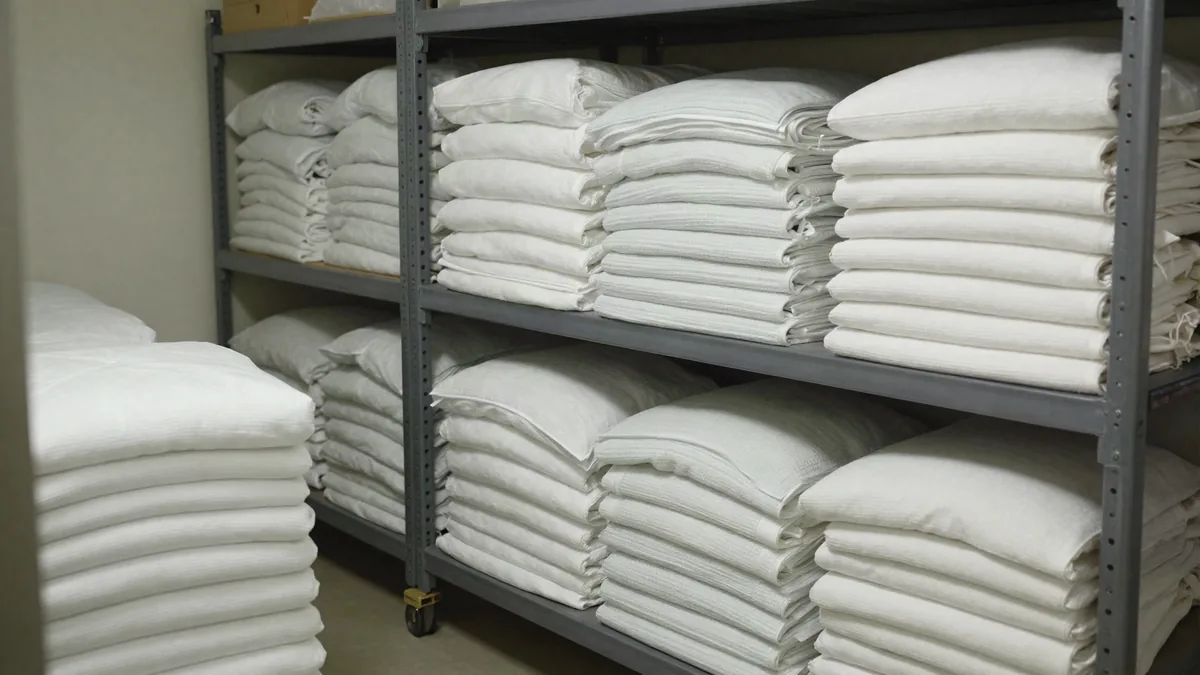
Angelica vs Crothall vs HCSG: Three Ways Hospitals Outsource Linen
Bottom line: Angelica bundles linen ownership into your per-pound rate; Crothall and HCSG manage staff and processes but leave you on the hook for linen loss, so check the replacement schedule before signing.
I've stood in enough soiled linen rooms to know that the vendor you pick determines who flinches when a bag goes missing. Last spring I watched a facilities director at Memorial pick HCSG because the base rate looked cheap. Three months later the hospital paid for 1,100 missing sheets at $12 apiece, on top of the service fee. I've managed linen for two hospitals, and I've seen Angelica absorb losses that Crothall would have passed back. These three names all do laundry, but they split the risk differently. Angelica treats linen as an owned asset; Crothall manages your people and your process but not the textile inventory; HCSG is somewhere in between, with labor contracts that shift staffing costs. None is a hands-off answer. You have to read the contract for the liability clauses, not the per-pound price. Healthcare Linen Service
Yesterday I stood in the loading bay at St. Luke's with a clipboard, counting 142 soiled linen bags that missed the 5 a.m. Pickup. We've been with Crothall for three years, but I've been through the other two big names in hospital linen outsourcing—Angelica and HCSG—across my time managing linen for a four-hospital system. They all pick up and deliver linen, but they operate on different assumptions about who owns the sheets, who owns the workers, and who owns the risk.
I'm not going to tell you one is universally right. That would be like saying every OR runs the same. But I can give you the practical differences, because when a hospital signs a linen contract, the fine print determines whether you're doing your job or constantly explaining why there's no warm blankets on 3 North.
Angelica: The Rental House Approach
Angelica is the classic rental house. They own the linen, they own the plants, and they own the trucks. You order a par level—say 1,200 fitted sheets per floor—and they deliver them on a schedule. You pay per piece or per pound, and there's a minimum monthly volume that covers their inventory carrying cost. That works well if you want to offload the capital expense of buying 400,000 pounds of linen. They're a big player, with plants in most states.
But the trade-off is you're renting, so you need to treat their linen like it's on loan. You'll lose a percentage of your linen inventory every year, and you'll spend a lot of time writing off missing scrub tops. Some hospitals call it the 'par level dance'—you adjust your order, but the plant keeps sending the same count because they're hitting a utilization target.
Where Angelica shines is specialized work. Their rental FR uniforms are certified to NFPA 2112 and NFPA 70E, and their laundering process is what maintains that certification. You can't send those home with employees; home laundering voids the FR rating, period. And their surgical linen packs often come through plants with ISO 14644 cleanroom zones. That level of process control is hard to match in-house.

Crothall: Managed Laundry, Not Ownership
Crothall takes a different tack. They don't necessarily own the linen or the building. They manage the laundry operation. If your hospital has its own laundry plant, Crothall will run it with their people. If you want a central plant, they'll help set it up. The pricing model shifts to per pound or per patient day, and they'll give you a cost-per-pound target that they're accountable for.
I've seen Crothall improve a run-down hospital laundry's cost per pound significantly, but it takes a big capital investment in washers and dryers. Their strength is integration. Because they're part of Compass One Healthcare, they can bundle environmental services, patient transportation, and linen into one contract. That makes life simpler for a materials manager who's juggling five vendors.
The catch is you're still on the hook for the linen itself, usually. If you own it, you pay for replacement. And their contract language tends to have detailed escalation clauses for energy and labor costs. Read those carefully. A per-pound rate that seems solid can jump 6% a year if you don't cap it.
HCSG: Bundled Housekeeping and Linen
HCSG—Healthcare Services Group—is the third name you see in hospital linen RFPs. They're primarily known for housekeeping and dining, but they do laundry as part of the bundle. What that means is your housekeeping staff are often their employees, and laundry gets managed by the same supervisor who's monitoring floor care. The pricing model is usually per occupied bed per day, and it's hard to separate the linen component from the total.
The advantage is simpler management. One vendor for a lot of front-of-house functions. They're flexible, and they have a huge labor pool. The downside is that linen gets a little lost in the mix. The person making sure your isolation gowns are processed correctly is also worried about whether the bathroom floors are disinfected. In my experience, their specialty is labor management, not high-throughput laundry.
HCSG will likely use a third-party plant if you don't have your own laundry. That's fine, but you need to verify that plant's TRSA Hygienically Clean or HLAC accreditation. You can't just take their word for it. Also, because they bundle, the contract can be tough to unwind. After a few years, they know exactly where all the pressure points are.
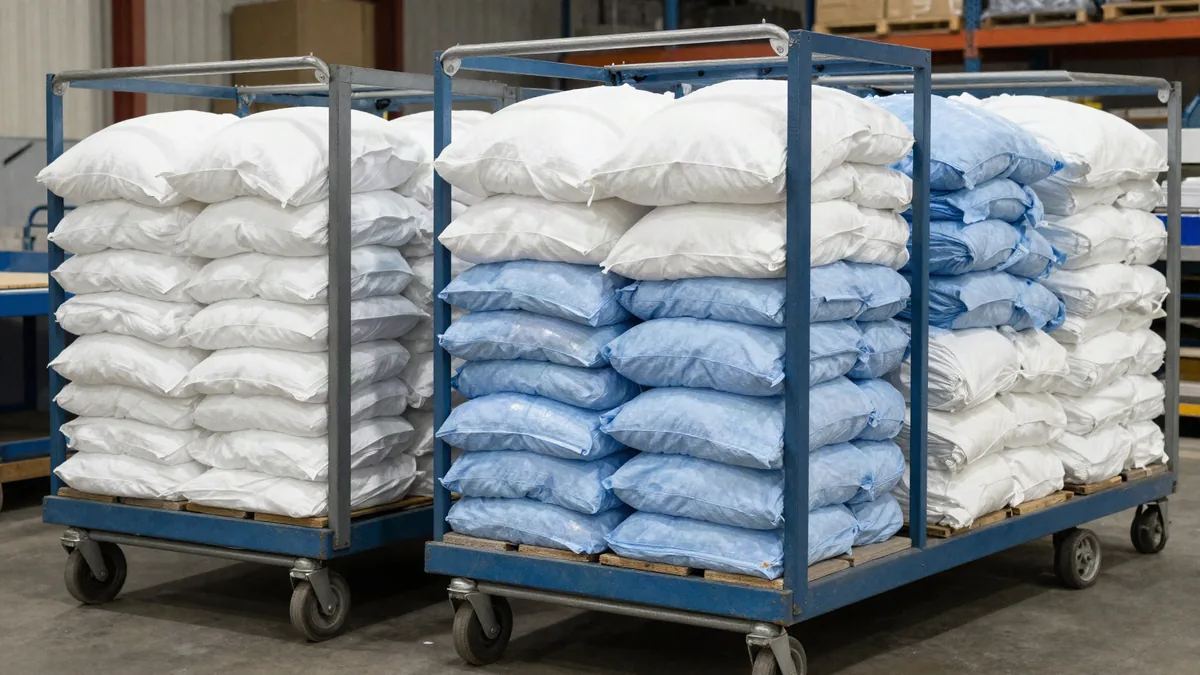
Pricing Models, Certifications, and Contract Traps
Let's talk about what you'll actually pay. For reusable linen, you'll see per-pound pricing, often 15 to 30 cents per pound if you own the linen and send it to a processing plant. If you rent, it's per piece—say 40 cents for a flat sheet, a dollar for an isolation gown. Uniform rental runs $4 to $15 per employee per week, give or take, depending on the industry and whether it's FR. Surgical packs usually come per case, and the price depends on the complexity. All those numbers shift with volume and geography, so don't quote me exactly.
Certification matters, but don't confuse them. TRSA Hygienically Clean means the plant has passed a rigorous inspection and process verification. HLAC specifically evaluates healthcare laundry facilities and is the gold standard for hospital linen. You should ask for both, and you should ask for the certificate to be current. OSHA 1910.1030 is the standard for bloodborne pathogens, and any facility that handles contaminated linen must follow it. But it's a legal requirement, not a differentiator.
The contract traps are the real problem. Minimum volumes can lock you into paying for pounds you don't use. A per-pound price that doesn't include energy surcharges will surprise you in January. And lost linen clauses can turn a 5% allowance into a billing nightmare. I've seen contracts where the vendor charges double for 'extraordinary' contamination because the hospital didn't define what that means. So sit down with your legal team and go through every clause. That's not a dig at any one company—all of them have standard contract language that favors them.
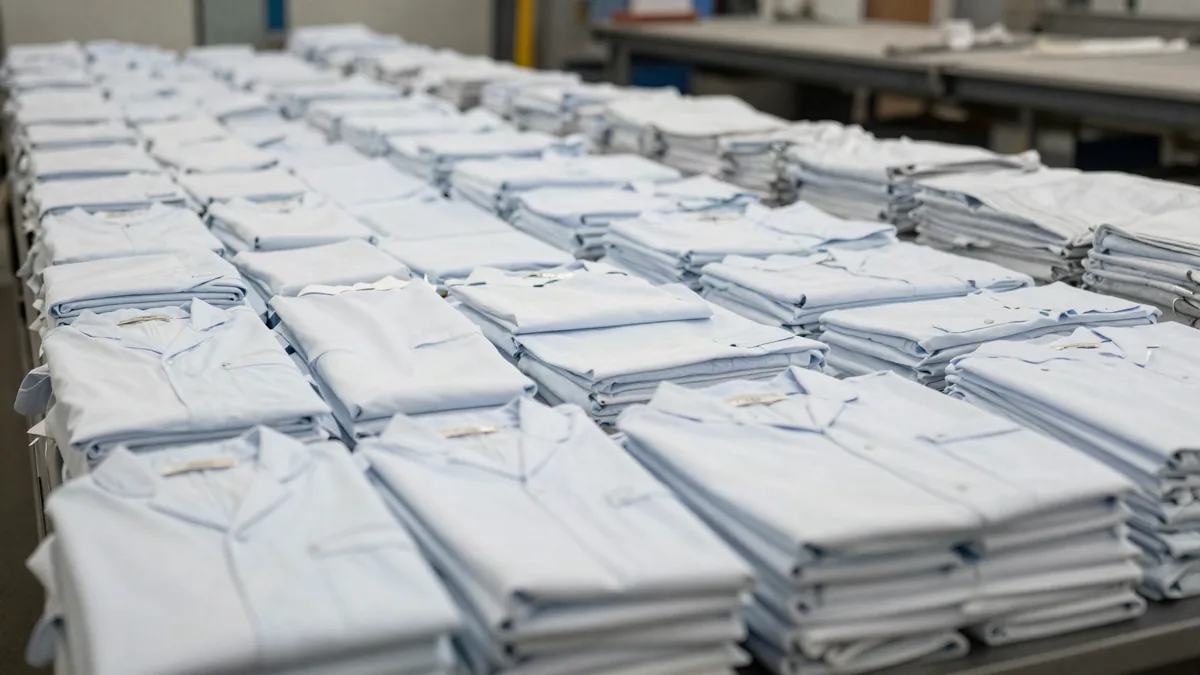
What I'd Tell a Colleague
If I were setting up linen service from scratch at a new hospital, I'd start with the laundry plant's accreditation, not the sales pitch. I'd ask who owns the linen and what happens if you terminate the contract. I'd visit the plant without an appointment. And I'd ask to see their quality dashboard from the last three months.
The size of your hospital matters. A 300-bed hospital can get a good deal per-pound from Crothall or Angelica. A 50-bed critical access hospital might do better with HCSG's bundled model. I've worked with all three, and they each have their place.
The one thing I won't do is pretend that a single vendor is always the answer. Linen is a logistics problem, a chemistry problem, and a labor problem rolled into one. Outsourcing is about finding the company that solves the problem you have, not the one that looks best in a PowerPoint.
Contract Comparison for Hospital Linen Outsourcing
| Contract Element | Angelica | Crothall | HCSG |
|---|---|---|---|
| Linen Ownership | Vendor owns, hospital rents | Hospital owns, vendor manages | Hospital owns, vendor manages |
| Linen Replacement | Included in per-pound rate | Hospital pays replacement cost | Hospital pays replacement cost |
| Staffing Model | Dedicated vendor employees | Vendor employees under management contract | Vendor employees under labor contract |
| Cost Structure | Per-pound rate, no separate linen charge | Management fee plus cost per pound | Management fee plus cost per pound |
| Best Fit | Hospitals without on-site laundry | Hospitals with existing laundry and need oversight | Small facilities needing flexible staffing |
Frequently Asked Questions
Can we switch from Angelica to Crothall without replacing all our linen?
It depends on the contract. Angelica owns the linen if you're renting. Crothall typically manages a laundry, so you'd need to buy your own linen or transition to a rental agreement. Read your termination clause and inventory ownership language carefully.
What's the difference between TRSA Hygienically Clean and HLAC?
Both are voluntary accreditations. TRSA Hygienically Clean focuses on process and quality assurance across the plant. HLAC is specific to healthcare laundry and assesses infection control practices. Neither is a substitute for the other, and a hospital should ask for both.
Does outsourcing linen mean we don't have to worry about OSHA 1910.1030?
No. You are still responsible for ensuring your laundry contractor follows OSHA 1910.1030 when handling contaminated linen. Request their written exposure control plan and make sure it's current.
Is FR workwear rental worth the cost?
Yes, if your staff needs NFPA 2112 protection. Certified laundering maintains the FR properties, while home laundering does not. Renting shifts that responsibility to the laundry service.