
Where Hotel Towels Really Go: Theft, Housekeeping Loss and Rag-Out
Bottom line: Most towels vanish through guest theft and housekeeping loss; rag-out claims the rest, totaling 1-3% of inventory each year.
Last week I fished a towel out of the pool filter, and that got me thinking about the real inventory drain. In my twenty-two years, I've watched housekeepers throw a bleach-stained towel into the garbage because they didn't know the rag bin was behind the door. I've also seen a guest try to check out with a bundle wrapped in a pillowcase. The numbers add up. At 430 rooms, we run 2,800 towels a day. Lose one percent to theft and another one to mishandling, and that's over 20,000 towels a year gone. That's tens of thousands of dollars. Monograms help, but they don't stop a determined person. What actually slows the bleed is having a clear rag-out policy and counting every piece that goes out to the floors. Hotel Laundry Service
Last week, I fished a towel out of the pool filter. Guest said it 'fell in.' It had the hotel's monogram embroidered on the corner. That was the second one that week. Twenty-two years in this job, and I've seen towels stuffed into suitcases, packed into rolling luggage, and once, carefully hidden inside a pillowcase. Call it theft, call it 'souvenir collecting.' It all costs the same.
At a 430-room convention resort, we run about 2,800 towels through the laundry every day. Add the pool towels and we're past 3,500. Each one costs five to nine dollars, depending on the weave and the weight. If we lose 1% of our inventory to theft, that's thirty-five towels a day. Do the math and it's over $100,000 a year. So when the front desk says 'it's just a towel,' I show them the line item.
Here's what I know after two decades in rooms: towels don't just vanish into guest luggage. They walk out in housekeeping carts. They get 'rag-out' prematurely. And they get tossed in the trash. This post is about all three.
The Three Places Towels Go
In my experience, the towels you're missing go to three places. The first is guest theft. That's the one everyone thinks of. The second is housekeeping loss. That's where the real money goes. The third is rag-out, which is a necessary end-of-life process, but only if you manage it. If you don't, you're turning potential revenue into wiping cloths and garbage.
Guest theft is real. Housekeepers know which guests pack them. But housekeeping loss sneaks up on you. A cart goes into a room with six towels. It comes out with three. There's a pool towel over the railing. A guest asks for extra towels and the housekeeper brings two, but she also drops one off the cart and doesn't notice. That's not theft, it's chaos. And chaos is manageable.
Rag-out is the opposite: it's a conscious decision. We set a standard for what makes a towel a rag - frayed edge, permanent stain, a tear bigger than a thumb. We have a bin in the laundry room. When a towel can't serve a guest, it gets pulled. But if you let housekeeping decide on their own, you'll find good towels turned into rags because they're short on rags. So you need a rag-out culture that provides enough actual rags.

Stop Guest Theft Before It Leaves the Building
The best deterrent is making the towel less desirable at home. We're not talking about an ugly color - that's cheap. We switched to a 14-ounce towel with a one-inch embroidered logo in a bright orange thread. It's not for decoration. It's for identification. Nobody wants a towel that says 'Red Rock Resort' in 200-point embroidery. You can order those from any major supplier like Standard Textile or Welspun, and the embroidery costs pennies per piece.
Second, use check-out for pool towels. Pool towels have a different color and a band. Guests get one with their room key, and they return it. No return, no new one. That alone cut our pool towel loss by eighty percent last summer.
Third, put a card in the room that says towels are provided and the replacement cost is $20. That's not a threat, it's a fact. We also put a price on the card: 'If you'd like to buy a towel, it's $15 at the gift shop.' We actually sell them. That converts a loss into a sale.
Fourth, time your restocks. Most theft happens at checkout. If you restock rooms after checkout, not during the stay, you reduce the chance. Housekeeping supervisors can double-check high-loss floors.

Keep Housekeeping From Losing Towels
This is the part that doesn't get talked about. Housekeeping loss is steady and avoidable. We set a par for every cart - say, 30 bath towels, 40 hand towels, 40 washcloths. Each cart has a sheet. At the end of the shift, the housekeeper turns in a count. If the count doesn't match, we know. That sounds simple, but it takes discipline.
We use color-coding by floor. Floor 2 gets towels with a blue stripe, Floor 3 gets green, Floor 4 gets no stripe. If a blue-stripe towel shows up in the laundry, we know it came from the wrong floor. That tells us if a cart ended up in the wrong place, or a housekeeper is mixing loads. It's not about accusing anyone. It's about tracking the flow.
And make sure staff have enough rags. The number one reason a good towel ends up inside a housekeeper's bucket is that there were no rags on the cart. If your housekeepers are using bath towels to wipe down mirrors and polish faucets, that's not theft, but it is premature wear. Supply the rags and you'll keep the good towels in circulation.
We also do a quarterly linen audit. We count every towel physically, not just on paper. It takes a full afternoon. We call it the 'white Christmas.' We're not in the red yet.
Manage the Rag-Out Pipeline
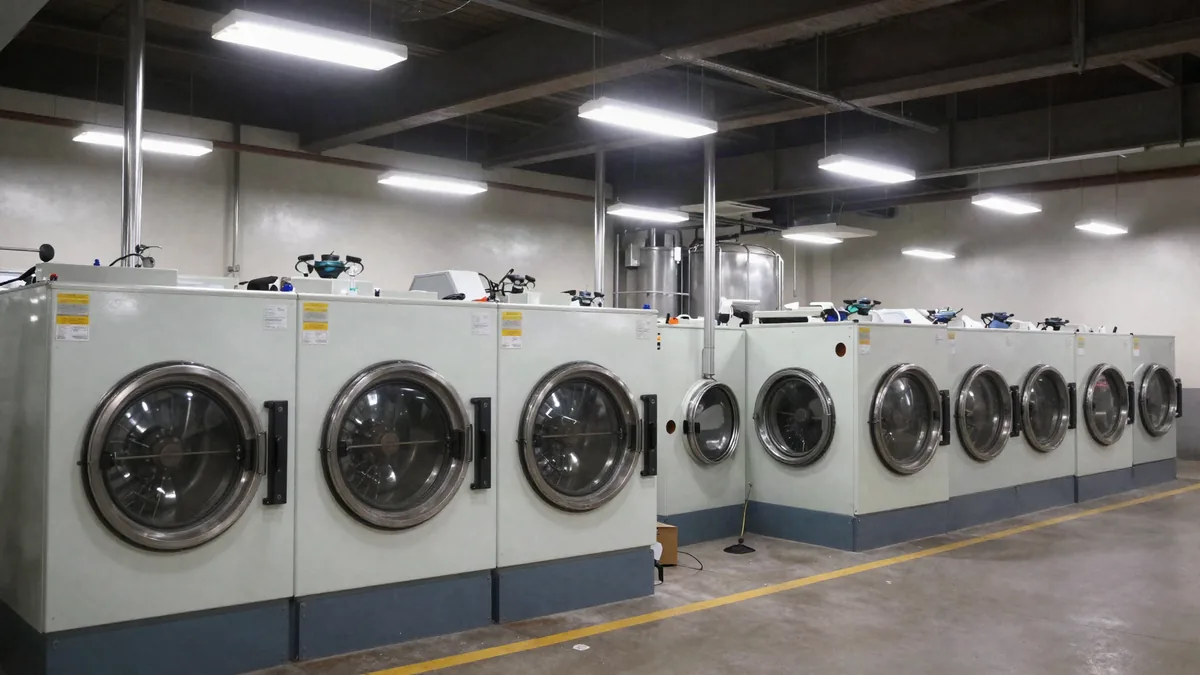
Every towel has a lifespan. A commercial towel can take about 75 wash loads, give or take. How many exactly depends on the plant - water hardness, detergent, drying temps. After that, it's either rag-out or landfill. But the rag-out process needs a gatekeeper. If you let everyone decide, you're at the mercy of whoever's on laundry duty.
Our standard: if it has a tear bigger than a quarter, a set-in stain that won't come out, or if it's fraying at the edges, it goes to the rag bin. The bin is audited once a week. We weigh it. We track how many towels go in. If the weight spikes, we know something's off. If it's low, we're getting too much life out of old towels.
Rag-out is also where some theft hides. A housekeeper who wants a towel for their car will 'rag-out' a perfectly good towel. It happens. So the rag bin has to be in a supervised area, or you have to count what goes in. Don't make it easy to steal by calling it trash.
By the way, one guest once used a bath towel as a coffee filter in his camping rig in the room. He left the press and the towel. That towel wasn't a rag-out candidate; it was a biohazard.
A Simple Loss-Prevention Plan That Works
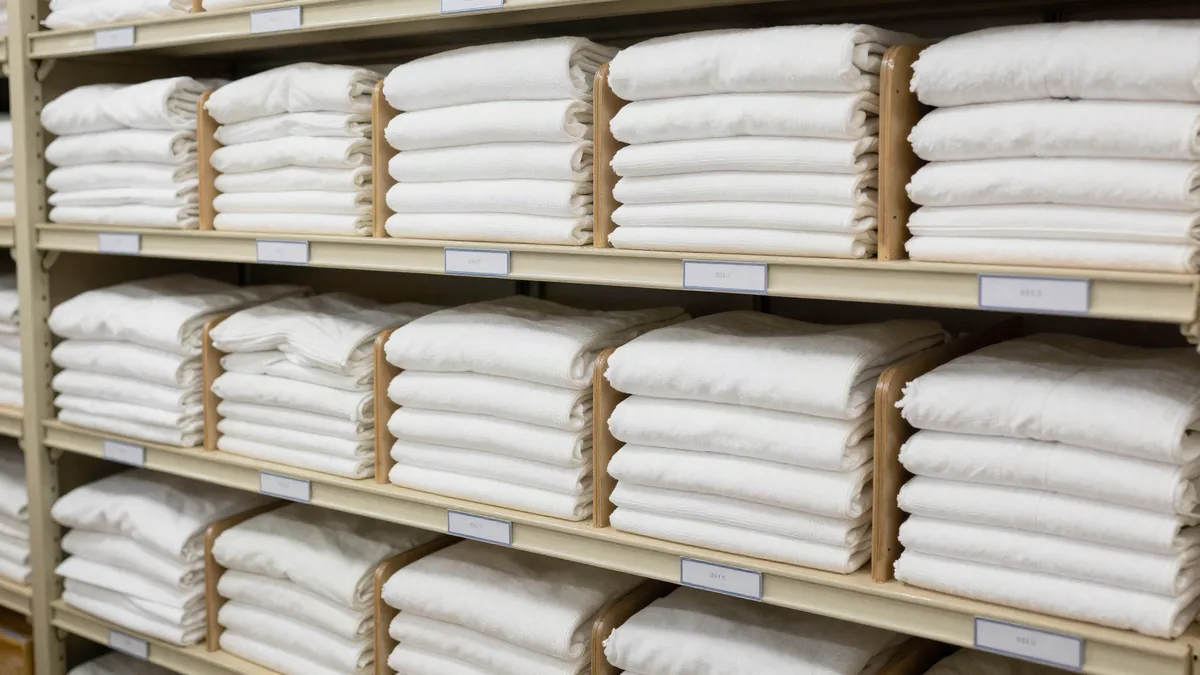
Here's the plan I'd put in place at any hotel, whether you're 50 rooms or 500. Step one: know your par. Measure how many towels you actually need at peak occupancy, and don't overbuy. Theft is a percentage, so a leaner inventory means less loss.
Step two: make towels identifiable. Monogram them. Use a color that screams 'hotel.' It's a deterrent, and it also helps housekeeping routing.
Step three: use the check-out system for pool towels and maybe for the spa. It's a little extra labor, but it pays.
Step four: track your rag-out. Separate the lifecycle from the loss. Weigh the rag bin weekly. Set a threshold. Keep it simple.
Step five: train your staff. They're not going to stop a guest with a towel in their hand. But if they know the cost, they'll report it. Culture matters. We put a poster in the break room: 'A towel is not a souvenir.' It works, sort of.
Comparing Towel Loss Prevention Tactics
| Strategy | Cost per Towel | Theft Reduction | Operational Impact |
|---|---|---|---|
| Woven monogram | $2.00 added | Moderate, deters casual guests | Requires sort at laundry |
| RFID tracking | $4.00 plus readers | High, alerts at exits | Needs daily scans and software |
| Guest awareness card | $0.10 printed | Low to moderate, varies by property | Place in rooms; minimal extra work |
| Increase par stock | $8.00 per extra towel | None, just covers loss | Higher wash load and storage |
| Gift shop sales | $5.00 retail price | Converts theft to revenue | Adds inventory and retail space |
Frequently Asked Questions
How much money does a hotel lose to towel theft each year?
There's no one number. It depends on the hotel's size, location, and policies. For a 430-room resort like ours, a 1% loss rate means roughly $100K a year. That's why we do everything we can to cut it.
Can you legally charge a guest for a towel they take?
You can add a fee to the folio only if you have a clear policy and proof. Most hotels use a 'missing towel' charge on check-out, but you need to have the policy posted. It's easier to sell them a towel at the gift shop.
What are the most effective deterrents for hotel towel theft?
Logo embroidery, unique color bands, pool towel check-out, and clear signage about the replacement cost. Some hotels use RFID tags, but that's usually overkill for a mid-size property.
When should a towel be rag-outed?
When it tears, stains permanently, or wears thin. We use the 'finger test' - if you can see through it against light, it's done. Then it goes to the rag bin, not the trash.