What's Actually Included in a Linen Service?
Bottom line: Standard linen service includes pickup, soiled-to-clean processing, pressing, folding, delivery, and replacement of worn items, but repair, inventory, and storage are often billed separately.
The first thing I do when I take over a kitchen is pull the last 12 months of invoices and reconcile them against the actual deliveries. You know what I find? Almost always overbilling for extras the manager never approved. I had a 120-seat restaurant paying for 800 napkins a week when the busiest Saturday took 300. The contract said unlimited pickups but the fine print charged a handling fee for every extra pickup over four per month. One client lost $2,300 over six months to those fees alone. Understand what is in the base price before you worry about the per-item rate. Restaurant Linen Service | Hotel Laundry Service
I was standing in the back hallway of my third kitchen, counting soggy bar mops from a bin that smelled like wet dog and yesterday's happy hour. The invoice pinned to the corkboard said 'linen service' and a number: $2,114.76. That was it. No breakdown. No line items. Just a total you pay.
Most of us sign linen contracts the way we buy printer paper—we need the stuff, so we sign and forget. But a printer case costs $40; a linen contract can bleed you $40,000 a year if you're not watching. I've opened 11 kitchens and killed, or restructured, more linen contracts than I can count. So let me tell you what's actually included, because it's not what's on the front page.
The Line Items You're Actually Paying For
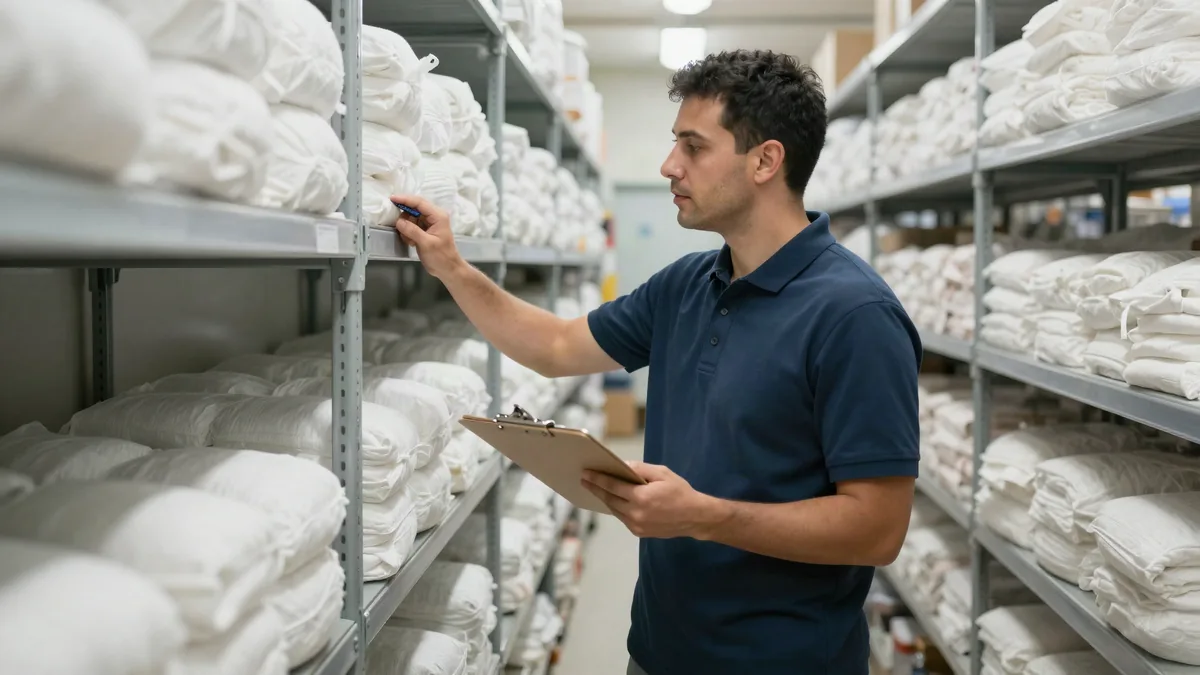
First, the quote you get is built from three costs: rental, processing, and delivery. Rental is the price of owning a par level of linens—how many of each item the plant leaves at your door, typically 1.5 times your peak daily use. My current place runs 200 bar mops a week, 40 kitchen towels, about 120 napkins, and 30 aprons. They leave me 180 mops, 60 towels, 150 napkins, and 40 aprons as the par. You're renting that entire inventory, not just what you use.
Processing, the washing and folding, is usually quoted per pound or per piece. If it's per pound, be careful: they weigh your soiled linens, so all that food debris, grease, and water weight goes on the invoice. That's a real number. If you're on per-piece, you'll see a flat rate for each type of item—a bar mop at $0.12, a napkin at $0.18, stuff like that. Then there's delivery: a set weekly pick-up and drop-off fee, maybe $20 to $50 per stop, depending on the plant's radius.
Uniforms are the exception. Rental is per employee per week, commonly $4 to $15, and that price often includes unlimited processing and replacement. I've run chef coats and pants through Cintas and UniFirst at different places. That range is the honest one.
What 'Processing' Really Means
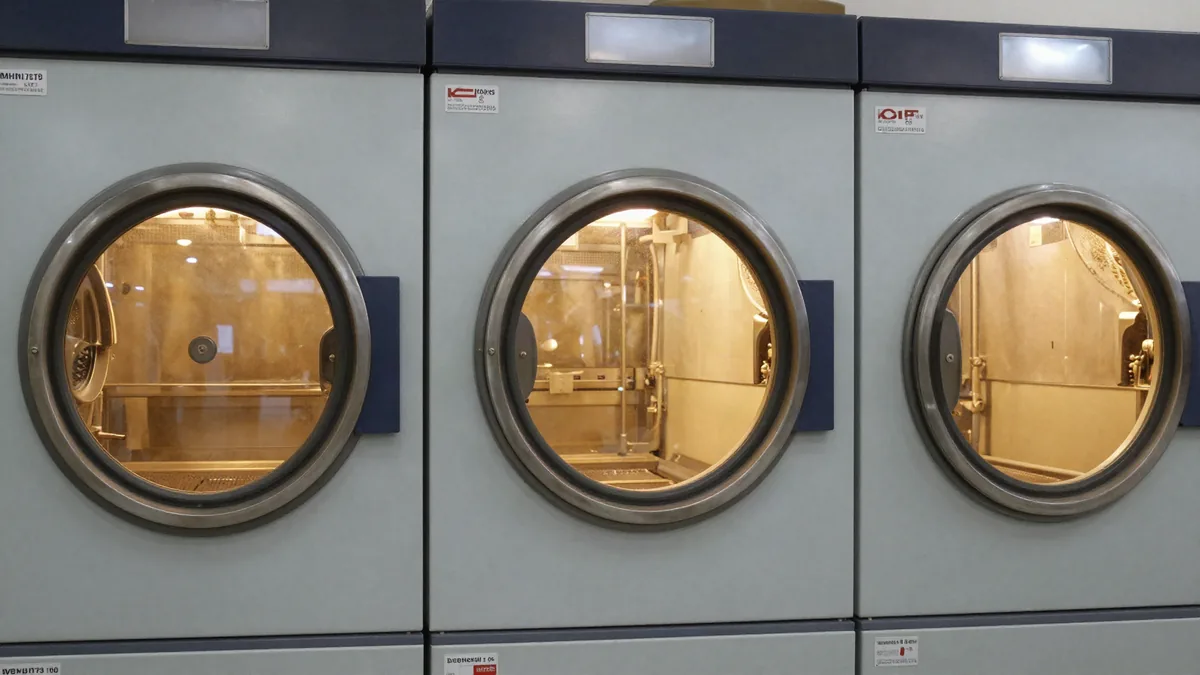
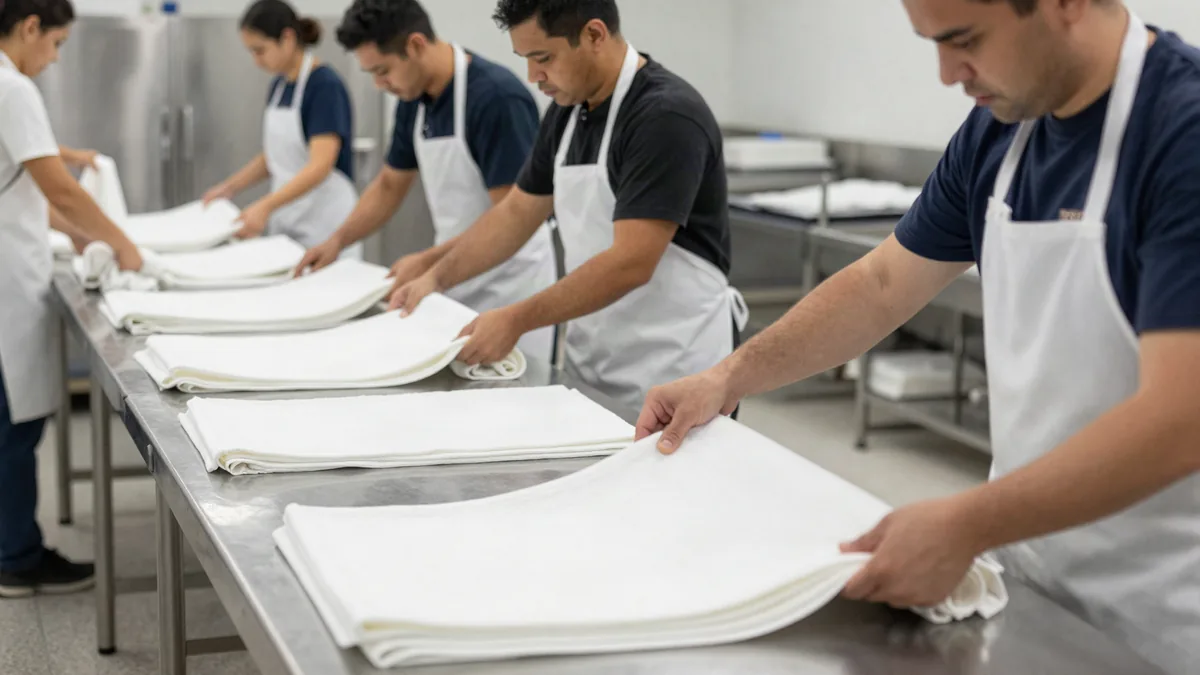
Processing is the part you never see, and it's worth understanding because it explains why the price isn't just 'washing.' The plant sorts your dirty linens into categories, runs them through industrial washers at 180°F with a specific chemical crew—alkali, bleach, sour, rinse—then extracts the water, presses or folds, and packages by type. That's not your home washer. You can't get a kitchen towel that clean with a regular cycle.
Look for a plant that holds TRSA Hygienically Clean certification. That's a voluntary audit that validates they meet hygiene and safety standards. If your rep can't tell you the certification status of the plant that handles your stuff, that's a flag. Also ask if they follow OSHA 1910.1030 for bloodborne pathogens, especially if you handle bar rags that might get bodily fluids on them. No, that's rare in a restaurant, but it matters.
That's my one digression: my grandmother starched my granddad's shirts by hand once a week, and she'd use a mangle press. She could do a dozen shirts in an afternoon. The industrial generation made that kind of work invisible, which is why we ignore the bill. But when you see a $0.12 per piece charge, that's the price of that invisible efficiency.

The Stuff That's Never on the Quote
Then the invoice arrives and suddenly you're paying for things you never saw on the quote. There's usually a 'soil bag' rental fee—the heavy plastic bags for the dirty linens. A replacement surcharge for every missing bar mop, and let me tell you, a bar mop has a half-life in a busy kitchen. My place used to lose 40 a month before we started doing a nightly count. They'll also hit you with non-removable stain charges, oversize charges for a curtain you tossed in, and a fuel surcharge that's tied to diesel prices. I once got a $74 charge for a mop handle wrapped up in a tablecloth.
Here's the trap: the quote says $0.39 per pound, and you think that's your total. But the per-pound rate is for standard kitchen linens. Starched tablecloths cost more, heavy chef coats cost more, and if you have any specialty item, there's a separate classification. So ask for a full sample invoice from a typical month before you sign. Not a quote. A sample invoice.
Reading the Fine Print Without a Lawyer
Contracts are where you sign away your right to be annoyed. Look for the minimums: a monthly minimum poundage or piece count. If you're below it, you still pay. Auto-renewal is standard: if you don't notify them in writing 90 days before the term ends, you're locked for another year. Price escalators are the one people miss. It might be a 5% annual increase 'to cover cost of operations'—you'll see the number grow without doing anything.
I've had contracts with Cintas, UniFirst, and Aramark at different locations, and I've learned not to judge by the per-pound quote, because each structures their fees differently. Cintas may bundle the uniform and linen rental into one package; UniFirst might have a lower base rate but a higher transportation fee; Aramark gave me a flexible month-to-month option but with a steeper price per pound. The point is, the only way to compare is to ask each to provide the full example invoice for a fictional month that matches your usage, then put them side by side.
What You Can Actually Negotiate
You're not hostage to the first quote. You can move the needle. Switch from per-pound to per-piece pricing to avoid paying for water weight in food debris. I did that at two of my places and it saved me about 12% a month. Ask for a lower par level if you're not going through your full allotment—being over-par means you're renting linens that just sit in the back room. And negotiate the replacement surcharge, because some loss is inevitable; most companies will cap it if you commit to a two-year term.
Finally, get them to let you audit the weight at pickup. Put the soiled bin on a scale themselves, or you do it. That keeps everyone honest. And if your plant is certified by TRSA Hygienically Clean, or for healthcare, HLAC, that's a sign they're professional enough to have external scrutiny.
How Linen Service Models Compare
| Service Model | Pickup Frequency | Repair/Replacement | Cost per Item per Week |
|---|---|---|---|
| Full Service | Scheduled daily or 5x/week | Included in rate | $0.80 - $1.20 |
| Semi-Bulk | Your staff sorts and counts | Fee per repair | $0.50 - $0.70 |
| Bulk Laundry | Soiled loaded loose into carts | Not included | $0.25 - $0.40 |
| Owned / In-House | You pick up from your own washer | You buy or do everything | $0.15 - $0.30 plus utilities |
Frequently Asked Questions
What's typically included in a linen service?
A standard linen service includes pickup and delivery of soiled linens, industrial washing, dryer, folding/pressing, and the rental of the linens themselves—napkins, towels, aprons, tablecloths, etc. Uniform rental is often a separate plan, billed per employee per week.
What is a par level?
A par level is the number of each linen item your service leaves at your business, usually set at 1.5 times your peak daily usage to ensure you never run out. You're renting that full inventory, not just what you use each week.
Do I have to sort dirty linens before pickup?
It depends on the plant. Some require you to separate into categories (e.g., kitchen towels vs. Bar mops vs. Aprons), while others take everything in the same bin. Ask your rep—this can affect your processing fee, because sorting labor is built into the cost.
What happens to lost or damaged linens?
Lost or damaged linens typically show up as replacement charges on your invoice, per item. Some companies offer a cap on monthly loss charges if you sign a longer contract, but otherwise you'll pay retailish prices for each missing towel or napkin.