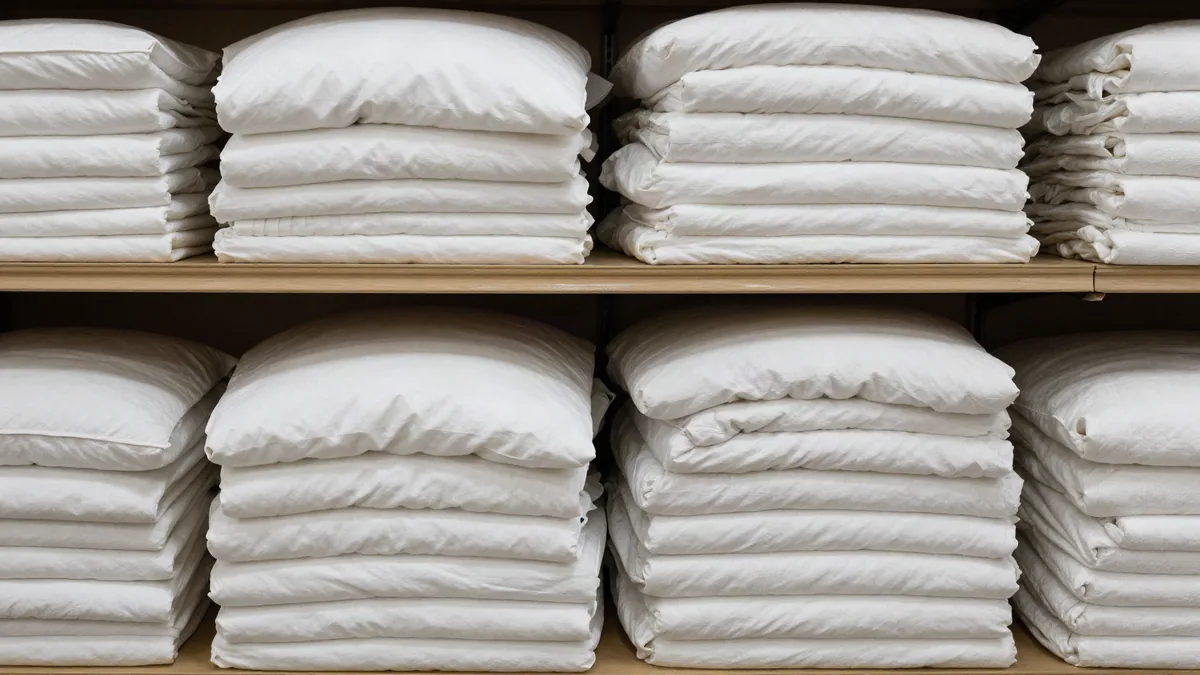
Route Driver Shortages and Wage Pressure: Why Your Bill Keeps Rising
Bottom line: Your linen service prices increase because route driver shortages and rising wages, especially during peak seasons, push up delivery costs that are passed directly to you.
Last fall, a hospital materials manager called to chew me out over a rate increase. He didn't know his driver's name, let alone that the driver had quit three weeks earlier. That's the problem. When a route loses a driver, the replacement costs money: the new guy takes longer, the route gets split, deliveries run late. I've seen a single turnover add 15% to a route's operating cost. And that's not even counting the overtime when a driver calls out sick on a Monday. You can't cut your way out of it. The only thing that moves your bill is driver stability, and that costs money. Restaurant Linen Service
It was a Tuesday in late October, 2019. I was on a route in northern New Jersey when my driver called out sick. I'd been out of the seat for years, but I hopped in the delivery truck and spent eleven hours running hospital linens and shop towels. The overtime alone ate half the margin on that route.
That's the day I understood why your bill goes up. It isn't a conspiracy. It's just hard economics: the people who get clean goods to your door are getting harder to find, and keeping them costs real money. Fall is the worst—UPS and FedEx poach drivers for holiday packages. And I'm not saying every increase is justified, but the wage pressure is real.
You might notice your linen invoice climb in late November or early January. That's not random. The same drivers who haul your uniforms are the ones the big parcel carriers try to poach. When they can get $25 an hour sorting packages for a few weeks, a regular route at $22 starts to look less attractive. So your linen service has to sweeten the pot, and that lands on your bill.
The driver behind the driver shortage
Route driving is a brutal job. You start at 4 a.m., climb onto docks, and catch grief when a pack of gowns is wrong. Historically the pay was okay, not great. My old company's starting wage in 2018 was $16.50 an hour. Then Amazon opened a warehouse ten miles away with $20 forklift jobs. We had to bump to $22 just to keep trucks full.
That extra $5.50 an hour adds up. A route truck costs $80,000, give or take. Diesel isn't cheap. When the driver is the most expensive part of the operation, you can't eat the increase. So it lands on your invoice as a labor adjustment.
Digression? Once, a customer complained about my $8.50 per employee uniform quote. His old provider charged $7. But he had 47 items on his list, including FR coveralls, and changed schedules weekly. No one can run that route for $7. Pricing always reflects the driver's time.
But there's another layer. It's not just wages—it's overtime. When a route goes uncovered, the company either offers overtime or hires a temp. Overtime is time-and-a-half, and temp agencies take a cut. Either way, the cost per delivery goes up.
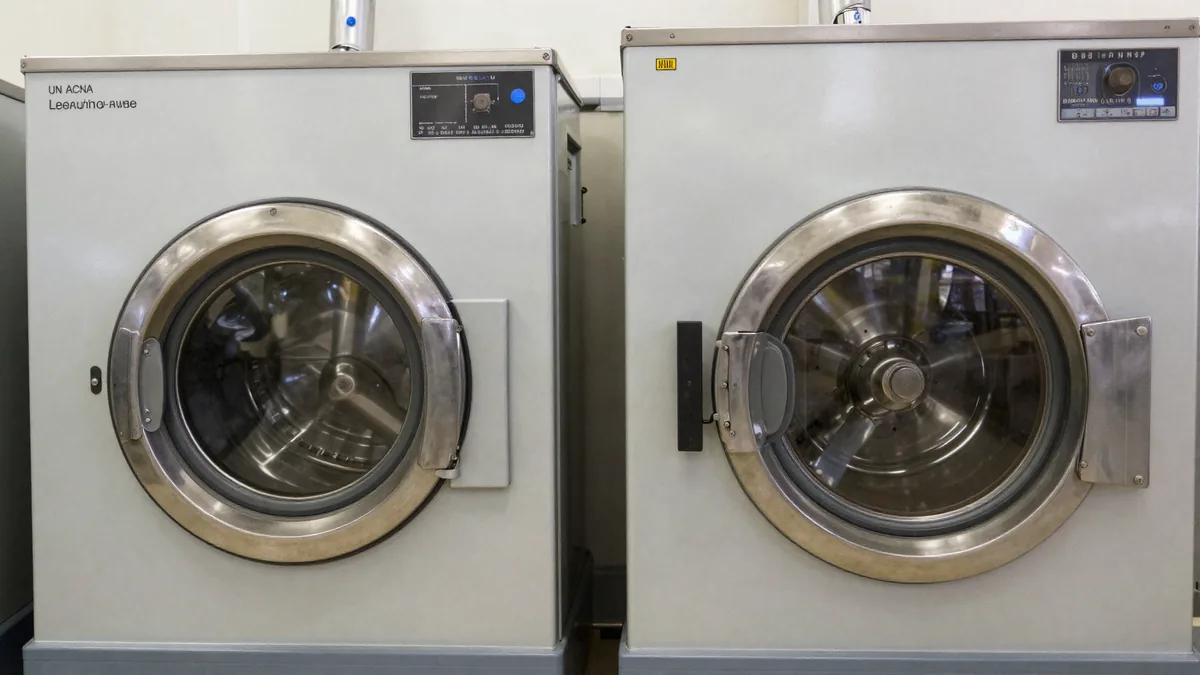
How a route actually makes money
Every route has 25 to 40 stops, each with its own dock and waiting. If a driver makes $22 an hour, benefits bring the true cost to about $28.60. A 30-minute stop costs over $14.
You're billed either per pound, per piece, or per employee. Uniforms run $4 to $15 per employee per week, depending on garments. Hotel linens go by weight. Restaurant towels go by piece. Those numbers are built on driver time.
Density matters. A route running 18 stops within a ten-mile radius is far cheaper than one that hits five stops over 80 miles. That's why rural accounts often pay a premium. When a driver shortage forces a supplier to combine two routes, the remaining driver has to cover more miles, which shows up in fuel and labor costs.
That's the math your invoice is reflecting. It's not a single line item called driver shortage. It's baked into the per-pound rate. It's baked into the per-piece price.
Why wages have to go up
To keep a driver you need benefits, predictable hours, and a truck that starts. Plants raise pay, and veterans know their worth. I saw a ten-year driver leave for $3 more an hour in warehousing. The employer then hired two part-timers to cover the route—more money than a raise.
Drivers need physical endurance. A fifty-pound cart of towels doesn't move itself. That filters candidates and shrinks the pool. Wage pressure also ripples to cleaners and warehouse staff.
Your supplier's costs are going up. They won't eat it. If your invoice rises, it's the cost of keeping the route staffed.
And that's not a one-time thing. Wages have ratcheted up every year since the pandemic. There's no going back. The old $14-an-hour route driver is gone. If you want your linens on time, you're paying for the person who gets them there.
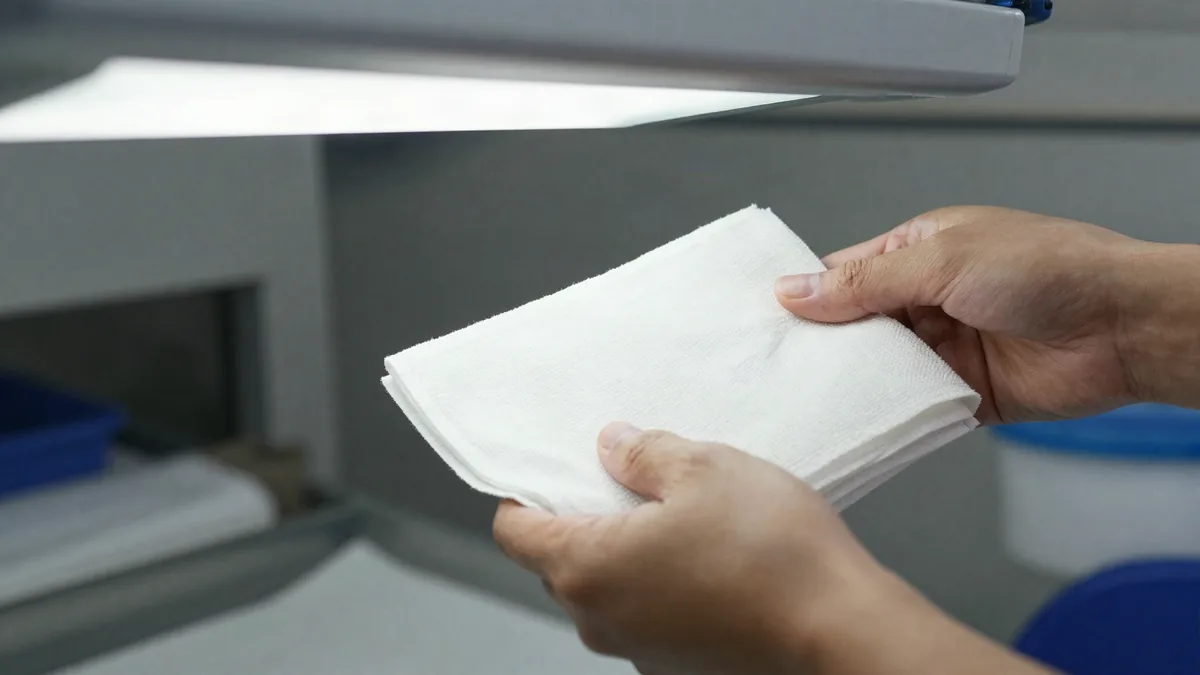
The seasonal spike you can't avoid
Every fall, holiday shipping pulls drivers away. UPS alone hires tens of thousands of temps. Linen companies spike bonuses or work overtime. Ask a plant manager in November: overtime hours skyrocket, and drivers get time-and-a-half.
Peak days, like after Thanksgiving, spike demand for table linen. Drivers get pulled off regular routes. That's why your bill feels higher around the holidays.
But it's not just fall. Summer is almost as bad. Construction and landscaping jobs pay cash and don't require a CDL. Route drivers look at that grass and wonder why they're lifting 50-pound carts. So the shortage is year-round, just worse at the edges.
What you can do before you switch
Don't chase the lowest bid without knowing how you're billed. Per-pound has its risks. Per-piece can be pricier. Avoid long contracts with built-in escalators.
If you use FR clothing, don't home-launder it. Industrial laundering maintains the protection. NFPA 2112 and 70E cover that. In healthcare, look for TRSA Hygienically Clean or HLAC accreditation. That costs money—and it's worth it. NFPA 1851 for firefighter gear, too.
You can negotiate pickup schedules, consolidate, and ask for per-piece rates on what you actually need. Less service means lower route cost.
But your bill won't drop just because you complain. Work with the supplier to make their route more efficient. If you can shift pickup times to off-peak, the driver can make more stops per hour. That's value you can share.
Options When Your Linen Service Rates Increase
| Option | Driver Stability | Price Outlook | Peak Season Risk | Effort Required |
|---|---|---|---|---|
| Accept the increase | Low, high turnover | +6-10% each year | High, spikes in Oct-Dec | None |
| Negotiate a longer contract | Medium | Locked for 2-3 years | Medium, still in contract | Some, need commitment |
| Reduce delivery frequency | Medium | Saves 10-15% on route costs | Medium | Need to manage inventory |
| Switch to a lower-turnover provider | High, lower turnover | +3-5% each year | Lower | High, transition costs |
Frequently Asked Questions
Why did my linen service prices increase this year?
Driver shortages push wages up, and your supplier passes that on. It's also seasonal: around holidays, route coverage costs more. Look for labor or fuel adjustments on your invoice. If the increase is large, ask for a breakdown.
Is it cheaper to use another linen service?
Not automatically. Compare per pound vs per piece vs per employee. Also check certifications—TRSA Hygienically Clean or HLAC for healthcare, NFPA 2112 and 70E for FR. A lower quote without those might cost you more in compliance or safety.
Can I wash my own linens and uniforms?
For some items, maybe. But for FR uniforms and healthcare linens, you lose the certified process. Industrial laundering is built around standards. Plus, there's the cost of water, labor, and replacement. Often the route price is cheaper than your own time.
What's a fair price for uniform rental?
You'll hear $4 to $15 per employee per week, depending on garments, frequency, and service level. If the quote is below or above that, ask the rep to break down the math. Remember, the driver's wage is in there.