
How to Choose a Commercial Laundry Service: A 12-Point Vetting Checklist
Bottom line: Choose a service that proves same-day pickup and 24-hour return, because a backup route is the difference between clean OR gowns and a canceled surgery.
Just last month I watched a hotel housekeeping director pick a linen service because their quote came in at $0.72 a pound, nine cents under the incumbent. She didn't ask about their weekend coverage. Then a wedding party checked in on a Saturday night, and the soiled sheets sat in the basement until Monday because the vendor only ran routes Monday through Friday. That's the kind of gap that a checklist won't catch if you're only looking at price. I've seen the same thing happen in hospitals, where a single missed pickup of surgical packs can push an entire OR schedule sideways. Hotel Laundry Service | Healthcare Linen Service
Back in 2004, I watched a batch of surgical gowns sit in a hallway for three days because the new service we'd signed with didn't have a backup route driver. That contract looked great on paper—per-pound pricing, 24-hour turn. Turned out their idea of 24-hour turn started when the truck arrived, not when the soiled linen hit the hamper. We lost the account.
This industry eats assumptions for breakfast. If you're standing where I stood, trying to pick a commercial laundry service, you need a vetting checklist that goes past the brochures. I ran a 42-million-pound-a-year plant for 19 years, and I learned that the real test isn't the sales pitch—it's what happens on a Tuesday afternoon with a full load and a broken washer. Here are 12 points to vet any service before you sign.
Credentials and Compliance
Start with the paper. You want to see certifications that matter, not just membership plaques. For healthcare linen, look for TRSA Hygienically Clean or HLAC accreditation. Those aren't stickers—they mean regular audits of their process and output. For flame-resistant garments, they should be following the bounds of NFPA 2112 and NFPA 70E. And if they walk into any medical facility, they need to be in line with OSHA 1910.1030, the bloodborne pathogens standard. That's not optional.
But don't take their word. Ask for copies of recent audit reports, and ask which certifying body issued them. A plant can lose a certification faster than a shirt loses a button. Also check their insurance. You're handing them your inventory and, often, your liability. Make sure their policy covers your products at their facility and in transit. I've seen a contract that made the customer responsible for damage once the truck left the dock. Read the fine print.
The Plant Tour
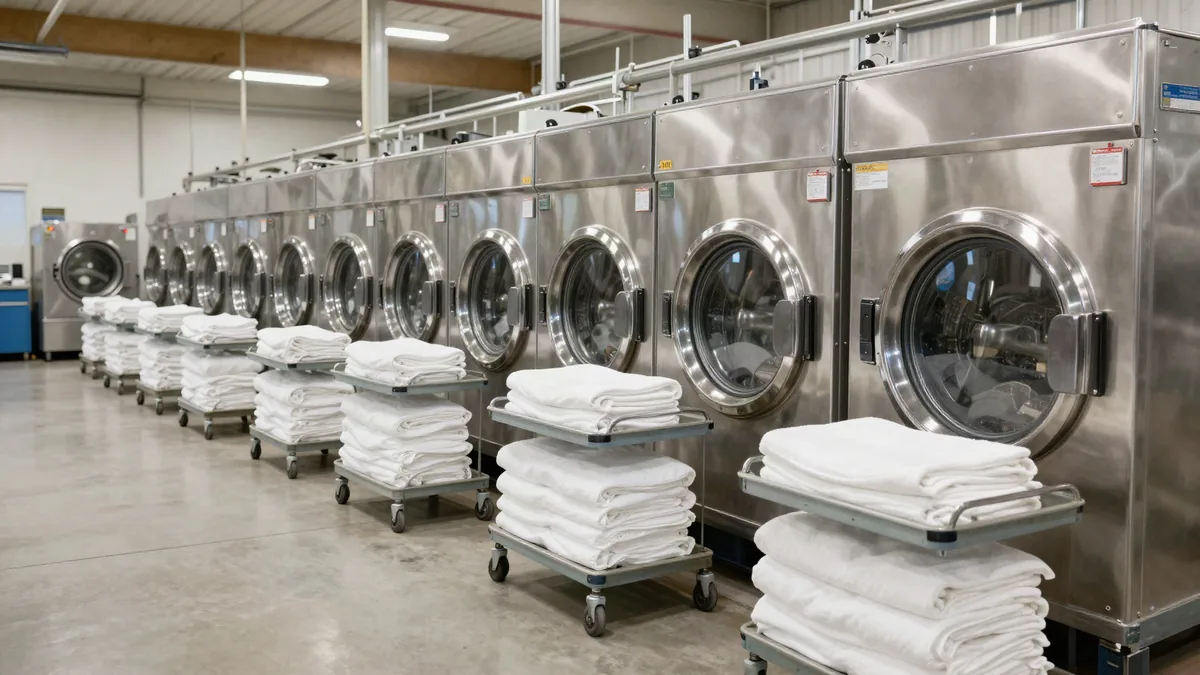
A service that won't give you a plant tour is telling you something. Walk the floor. Look at how they separate soiled from clean linen. Is there a physical barrier, or are carts rolling past each other? Check the air pressure in the clean room—it should be positive. Look at the washers: are they using continuous batch tunnels or washers with a reputation for reliability? Ask what kind of dryers and flatwork ironers they run. A plant that's still running 1970s equipment can do good work, but it's a sign they're not investing.
Watch the staff. Are they wearing gloves when handling soiled goods? Are they trained on chemical handling? In my plant, every new hire spent two weeks on the line before they ever touched a boiler. You want people who know their job. And notice the housekeeping. If the floor is slick with lint and the machines are caked with residue, that tells you how they'll treat your items. Cleanliness is not just about the wash cycle—it's about the entire environment. One thing I always check is how they fold fitted sheets. If the press operators are fighting the corners, they're not doing it right. Same goes for your gear.
Pricing and Contract Terms
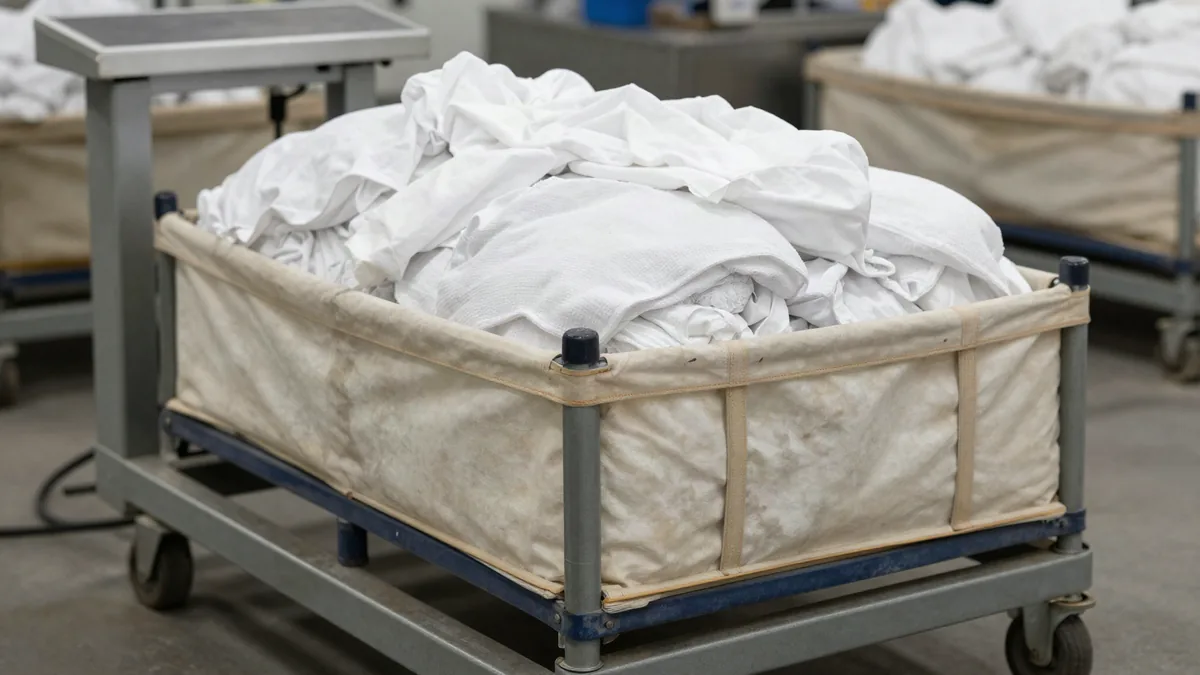
Pricing models are all over the map. Some charge per pound, some per piece, some per employee per week. The per-employee model is common for uniforms—I've seen it run $4 to $15 per employee weekly, give or take, depending on the industry and the number of garments. For per-pound, you need to know what's included: sort, wash, dry, fold, and delivery? Or is there a surcharge for each step? Ask for a sample invoice and work through it.
Contract terms are where services make their margin. Watch the length—five-year contracts with auto-renewal clocks can lock you in. Look at the termination notice. A fair contract lets you out with 90 days' notice and no kill fee. If they demand a year's worth of processing fees to cancel, walk. Also check the service level agreement. What's the fill rate guarantee—98 percent? What's the response time for a missed delivery? In my plant, we had a penalty of half a day's billing for any missed stop. That's the kind of language you want.
Specialized Needs
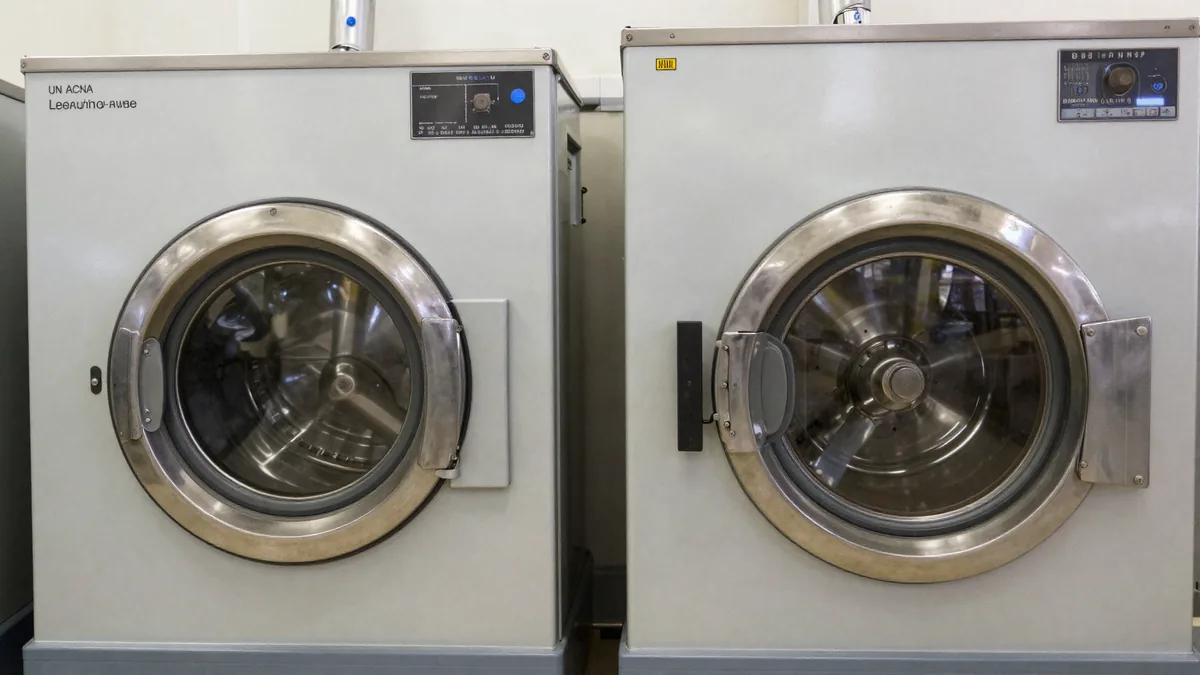
If you handle FR clothing, this is non-negotiable: industrial laundering is the only way to keep the flame-resistant properties intact. Home laundering can't guarantee the required level of protection. Look for a laundry that has the equipment and process validated to NFPA 2112 and NFPA 70E standards. They should test the garments periodically and document the results. Don't cut corners there.
Healthcare facilities need a service that understands isolation linen and biohazard waste. HLAC accreditation is a good signal. They should have a dedicated soiled side and clean side, and their wash formulas should hit the required temperatures and chemical residuals. For cleanroom work, check for ISO 14644 compliance. That's a whole different level of filtration and handling. You can't pasteurize a cleanroom garment in a standard washer. Make sure they have the right equipment.
Pricing Models at a Glance
| Model | How You're Billed | Typical Cost Range | Watch Out For |
|---|---|---|---|
| Per-Pound | Weight of clean linen sorted on a scale | $0.70 to $1.10 per pound | Low weight per item means you pay for handling as much as cleaning |
| Per-Article | Each processed item is itemized | $0.35 to $2.00 per item | Small items like washcloths can add up faster than you expect |
| Flat Fee | Fixed monthly rate tied to an agreed volume | $8,000 to $40,000 per month | Volume reconciliation at year end can trigger a big catch-up bill |
| Cost-Plus | Direct costs plus a management fee | 18% to 25% above direct costs | You absorb spikes in chemical and labor prices |
Frequently Asked Questions
What's the most common mistake when choosing a commercial laundry service?
Focusing only on price per pound. You need to factor in reliability, certifications, and contract terms. A low price means nothing if they miss pickups or lose your linen.
Should I ask for references?
Yes, and not just the glossy ones. Ask for a client in your industry who's been with them for at least two years. Call that person and ask about missed deliveries, fill rates, and how the service handles a crisis.
Can I trust a service that claims to save me money by using home laundering for FR gear?
No. Home laundering doesn't meet NFPA 2112 or 70E standards. The only way to maintain the protective properties is through an industrial laundry that follows the appropriate processes and does periodic testing.
How long should a contract be?
Look for 1-2 years with a 90-day out clause. Anything longer with big termination penalties should be a red flag. You want the flexibility to leave if the service doesn't deliver.